Finland Outraged Over Illegal Felling of 250,000 Trees for Google Data Centre
Finland ordered Google earlier this month to pause deforestation in two villages after about 250,000 trees were cut without the required environmental assessments. The case has sparked a national debate on data centres' impact on nature and local communities.
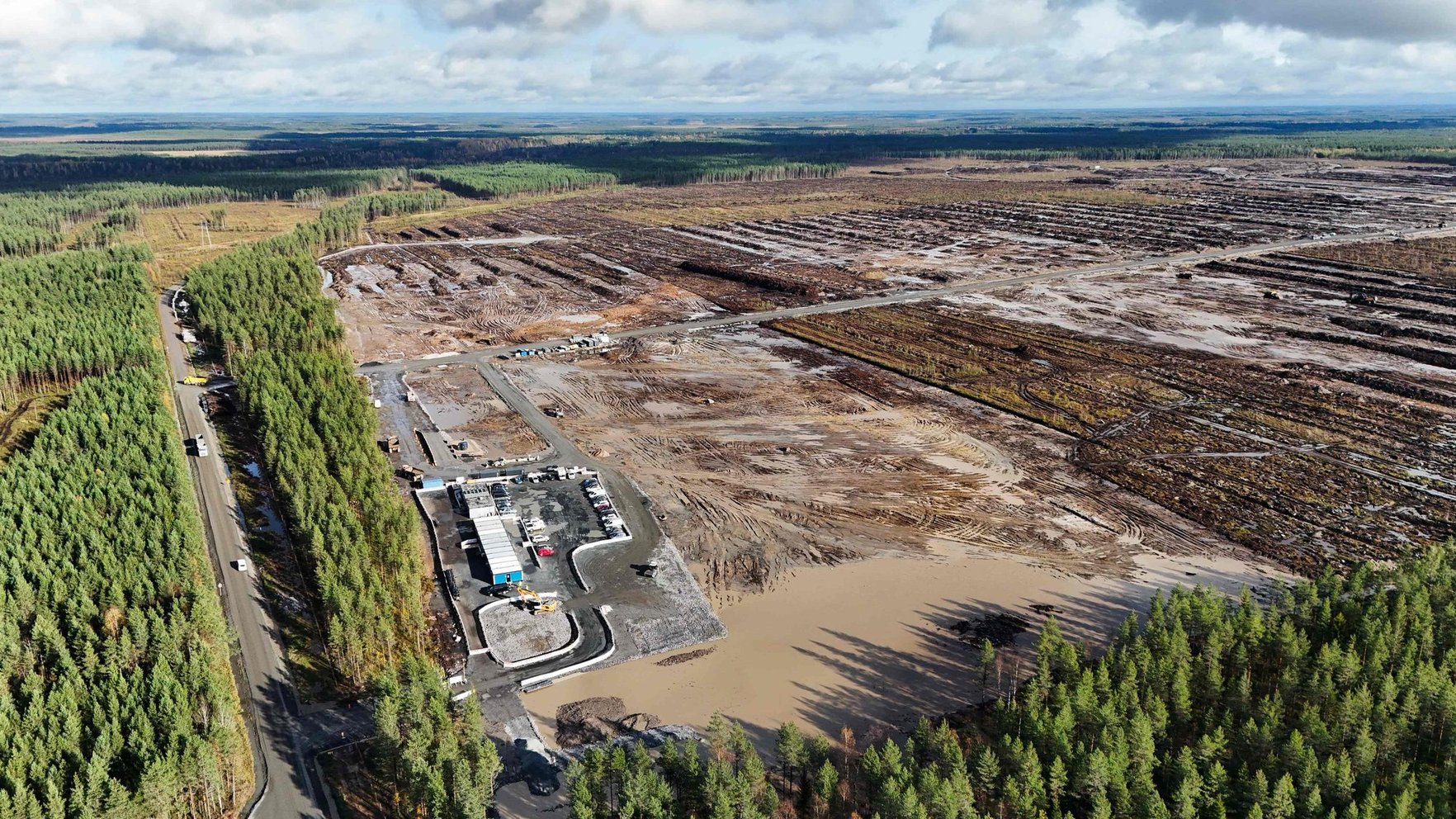
Finnish authorities earlier this month ordered the US technology company Google to temporarily halt clearing work in the villages of Muhos and Otanmäki, where data centres are planned. According to The Guardian, the company had not carried out the required environmental impact assessments before fully clearing the sites, so around 250,000 trees were felled illegally. The case has prompted a national debate over what role Finland should play in the global data centre building rush driven by the rapid growth of artificial intelligence.
The project and its scale
The Muhos and Otanmäki sites are part of Google's €13 billion artificial intelligence infrastructure plan, the largest project of its kind in Finland. Some 145 data centre projects are at various planning stages across the country. Investors are drawn to Finland by its relatively stable geopolitical and geological conditions, abundant land and a cold climate that lowers energy costs.
Besides the trees felled in Muhos, roughly 150,000 more are suspected to have been cut in Otanmäki. Because the felling was illegal, the timber from both areas may not be sold to wood-processing companies.
The company's response
Last week Google's head in Finland, Antti Jervinen, apologised but said the company acted on its best understanding of the law at the time. Google said it is working to protect water quality at Muhos and plans to plant trees on 130 hectares there. Nature conservation activists consider that too little to offset the damage.
Public reaction
More than 93,000 people have signed a petition demanding stricter data centre regulation and a special payment to compensate local communities for environmental harm. Hanna Halmenpää, chair of the Finnish Association for Nature Conservation (SLL), said she initially could not believe what Google had done and argued the company exploited Finland's trust-based system. Jusi Kangasharju, head of computer science at the University of Helsinki, said data centres create a limited number of jobs and that national-level benefits are minimal, with little corporate income tax revenue.
Otanmäki resident Anni Ranta said wolves began entering the village after the trees were cut, as wildlife left the forest. Vesa Hirvilähde, head of the local SLL branch, said three-toed woodpeckers nesting in the forest had been forced out. Veli-Matti Uski, director general at Finland's Ministry of the Environment, said the government is monitoring the sector and is ready to propose legislative amendments if needed.