Sony A7R VI review: A huge speed boost makes this a nearly perfect high-resolution camera
Sony A7R VI combines 67MP resolution with 30fps burst shooting thanks to a new stacked sensor and processor, but lacks RAW video and 4K quality lags behind rivals.
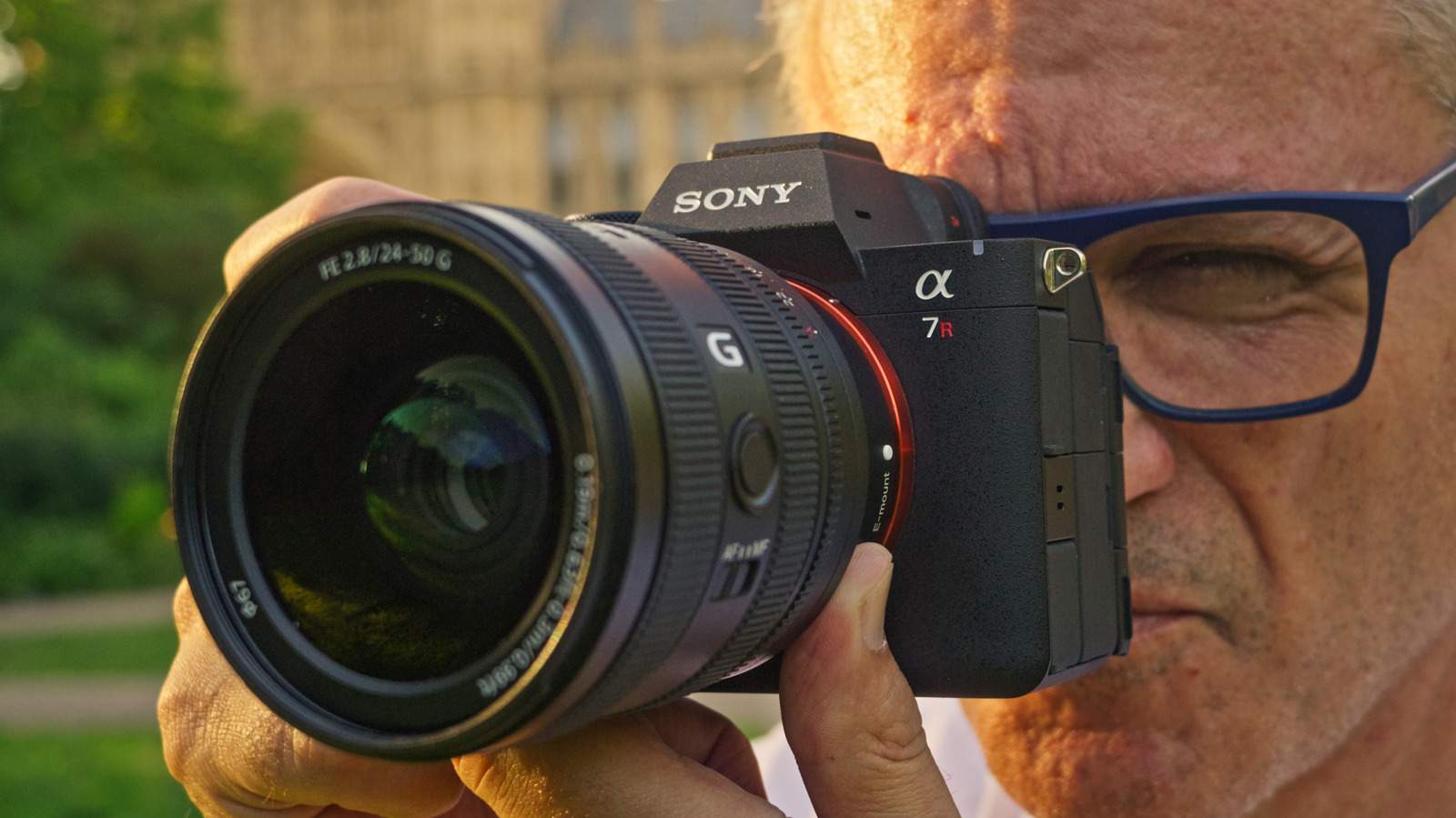
Sony has launched the A7R VI, a mirrorless camera that can shoot at 30 frames per second with a new 67-megapixel stacked sensor while maintaining high image quality. This is a significant speed increase over its predecessor, the A7R V. The new Bionz XR2 processor delivers a threefold speed boost in electronic shutter mode. The camera is priced at $4,500, $600 more than the previous model.
In terms of image quality, the A7R VI features dual gain technology that enhances dynamic range up to 16 stops. During testing, the camera produced highly detailed images with accurate colors. The automatic white balance has been improved, though occasionally inaccurate blue-green hues still appear. The camera performs excellently in low light, retaining clean shadows up to ISO 12,800.
The autofocus is reliable, with face, eye, and body detection for humans, animals, birds, and insects. The reviewer noted only rare focus misses when the camera buffer was full. However, the camera is not as snappy as the Sony A1 II, and rolling shutter artifacts sometimes occur during fast pans.
The design is similar to the predecessor but with a softer body material and deeper grip. The electronic viewfinder is a 9.44-million-dot OLED, now twice as bright. The camera uses CFexpress Type A cards, which are slower than rival solutions, and lacks RAW video recording.
For video, the A7R VI supports 8K at 30fps and 4K up to 120fps. 4K video is softer compared to the Canon EOS R5 II and Panasonic S1R II because it is derived from a 5K sensor area. Dynamic range in video is excellent, but compression artifacts are noticeable in detail-rich scenes. RAW video is not available.
Overall, the A7R VI is an impressive camera suitable for landscape and portrait photography, but it may also appeal to wildlife photographers who want to crop images. It is a direct competitor to the Canon R5 II and Nikon Z8, offering better image quality and resolution but lagging in video capabilities.


