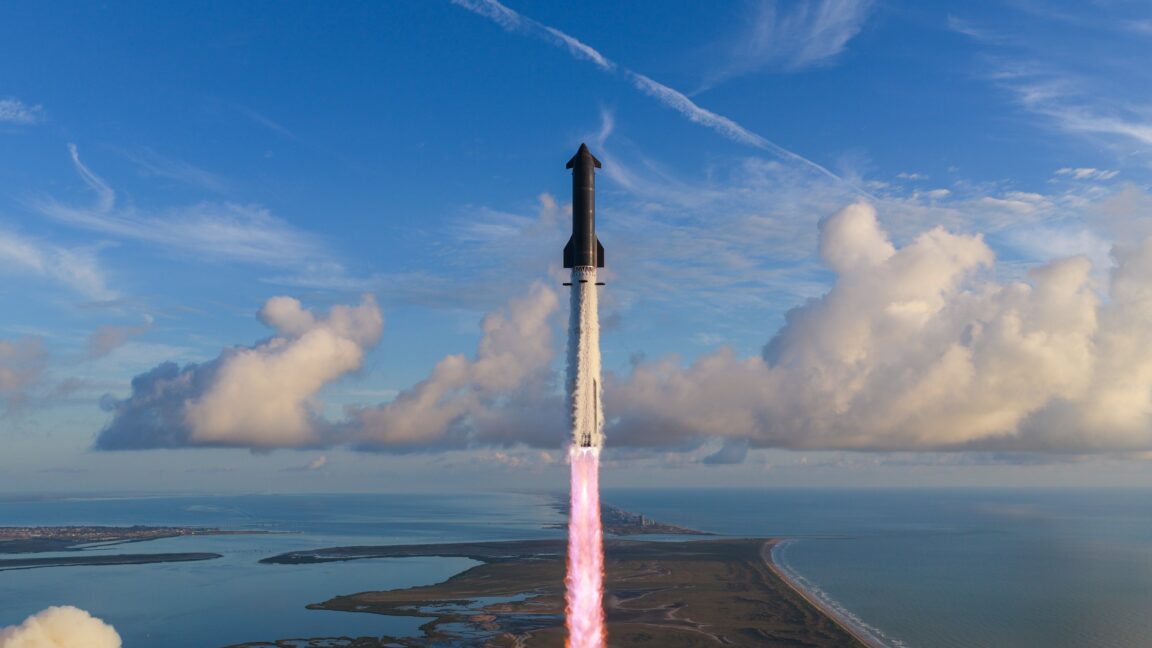
SpaceX explains why Starship flight was cut from 10 hours to 3
SpaceX said an early shutdown of one vacuum Raptor engine during ascent led flight controllers to cautiously shorten Starship's orbital flight from a planned 10 hours to about three, though the vehicle still reached orbit for the first time before splashing down safely in the Pacific.
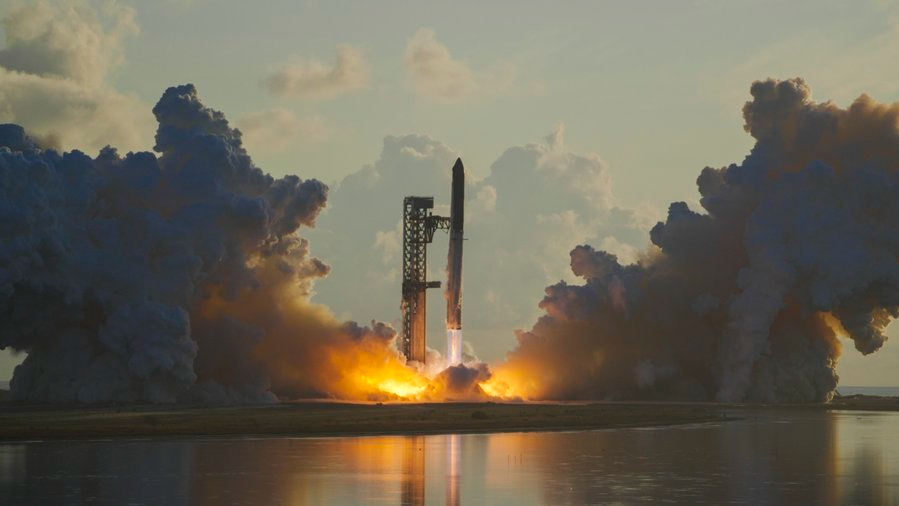
SpaceX has explained why its latest Starship megarocket flight ended after roughly three hours instead of the originally planned ten. The company attributed the change to a technical issue that occurred during the rocket's ascent phase.
According to SpaceX, one of the vacuum-optimized Raptor engines shut down earlier than expected while Starship was climbing toward space. To compensate for the lost thrust and keep the vehicle on its intended trajectory, the remaining five Raptor engines burned for longer than originally planned.
Despite the issue, Starship reached orbit for the first time. However, after achieving orbit and entering the coasting phase — the period of free flight around Earth — the flight control team reviewed the original ten-hour plan. Citing an abundance of caution due to the engine problem experienced during ascent, controllers decided to limit the vehicle's time in orbit.
Following that decision, the team began the deorbit procedure, guiding Starship to a splashdown in the northern Pacific Ocean. SpaceX released these details in a statement after the flight concluded.
Background
In late May, SpaceX's first attempt to launch this newest and tallest version of its megarocket from its South Texas site was scrubbed just seconds before liftoff due to technical problems. During that live broadcast, however, the company announced a planned private Starship mission to Mars, to be led by crypto billionaire Chun Wang.
On the second attempt, SpaceX successfully carried out the twelfth test flight of its Starship megarocket — the first flight of the new, enlarged prototype generation known as Starship V3.