Spain Demands Answers After Train Collision Kills 69
Two high-speed trains collided south of Madrid, and the death toll has reached 69. The crash has renewed questions about rail safety, with the government and opposition arguing over responsibility.
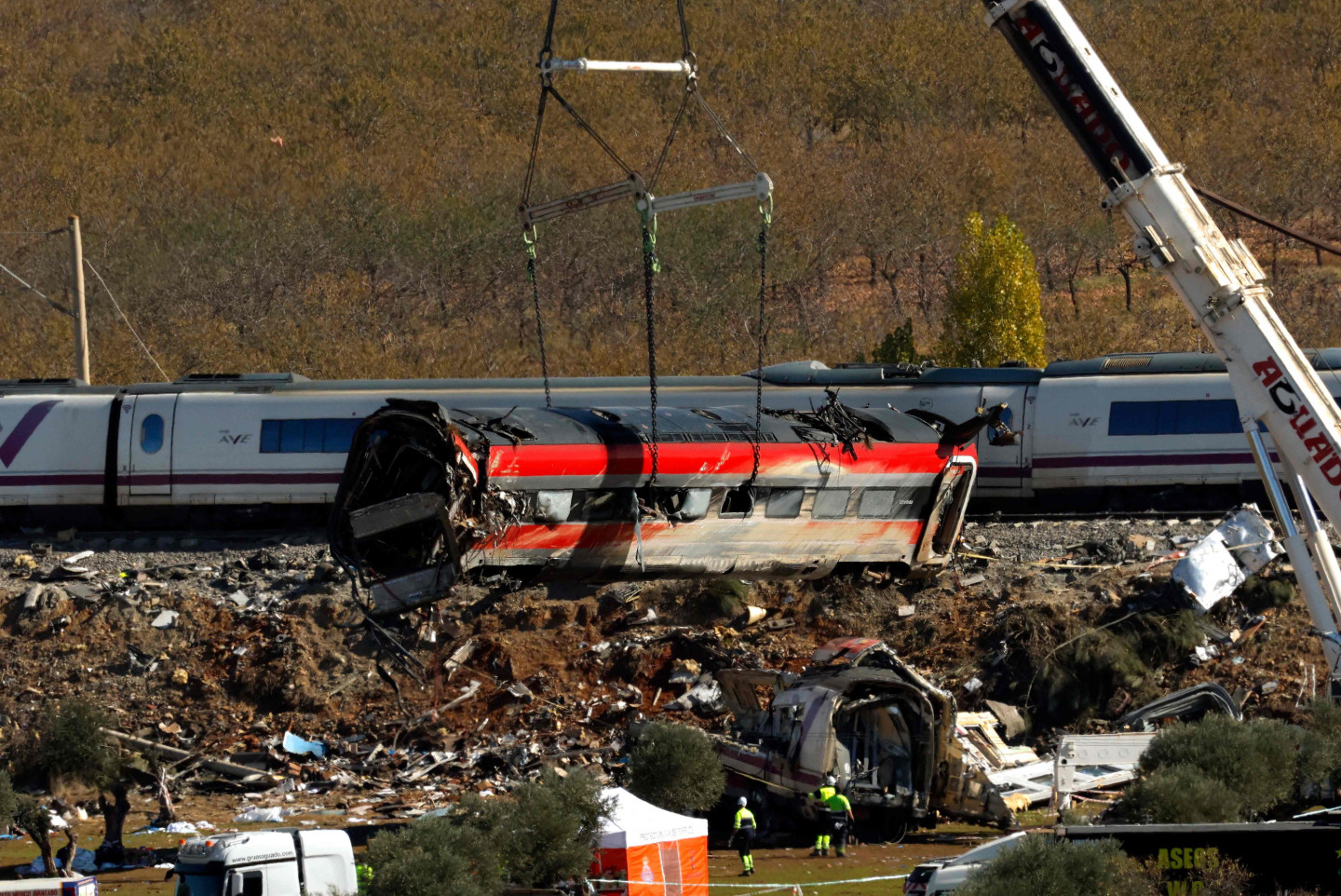
On Wednesday morning, about 130 km south of Madrid near the village of Urda, two high-speed trains collided in Spain: a train run by state rail operator Renfe struck a stationary train of the private company Iryo. On Thursday, regional authorities said the death toll had risen from 68 to 69, and many others were injured. It is the second high-speed train collision in Spain this year, and public demands for explanations are growing.
Victims and relatives
Among the dead is Fatima Banjesa, a former labour minister who represented the opposition conservative People's Party (PP). Fifty-two bodies were taken to Toledo, exceeding the 30-place capacity of the local morgue, so the army set up a temporary facility. Dogs and drones with thermal cameras took part in the search.
Relatives are waiting for news of the missing. Manuel Sans Emeterio, whose 54-year-old brother Pepe is missing, travelled to Toledo to give DNA samples to the Civil Guard. He said uncertainty is the hardest thing, but hope must never be lost. Three days of national mourning have been declared, flags were lowered to half-mast, many events were cancelled, and a minute of silence was observed at Madrid's Atocha station.
Safety questions and responsibility
The crash happened on the line linking Madrid and Seville. In January, a collision on the same stretch killed 46 people. Spain's high-speed rail network is the second largest in the world, after China's.
Transport Minister Oscar Puente explained that the automatic control system had failed on a 69 km section and trains were halted, but the control centre decided to resume traffic in conditions he called inexplicable. The Renfe train covered 25 km before the collision. PP leader Alberto Nunez Feijoo accused the minister of frivolity for trying to blame a single operator. Diego Martin, head of the train drivers' union Semaf, said workers were operating with flawed systems.
Prime Minister Pedro Sanchez pledged to establish every detail and tighten safety. On Thursday, Renfe drivers continued a strike announced before the crash, with 26.6% of staff taking part; 81% of planned services were cancelled on Madrid's suburban network.