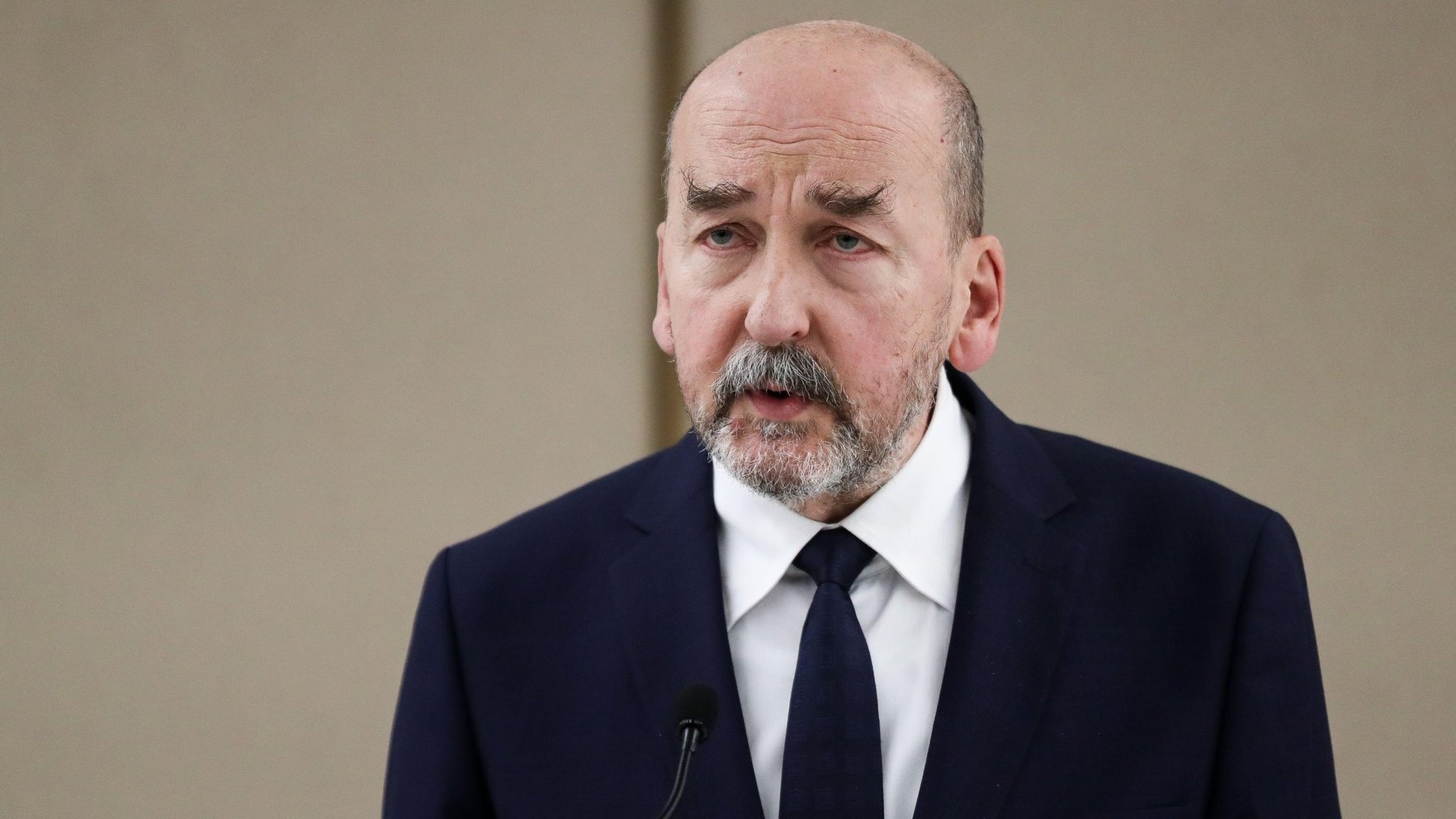
Discontent with Sánchez government boosts far right ahead of Spain's election
Spain holds an early parliamentary election on Sunday, 29 December. Polls suggest Prime Minister Pedro Sánchez's Socialists may lose, and the far right could enter government for the first time since 1978.
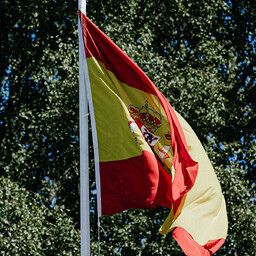
Spain holds an early parliamentary election on Sunday, 29 December. Prime Minister Pedro Sánchez's Socialist Party is likely to lose. Voters are unhappy about rising housing costs and an influx of migrants. Polls indicate that the conservative People's Party and the far-right Vox could together win an absolute majority in the next parliament. That would open the way for the far right to enter government for the first time since the democratic system was established in 1978, after the death of dictator Francisco Franco.
How the political crisis began
Sánchez called the early election on 5 October, amid mass protests over rising rents. The trigger was the late-September eviction of 87-year-old Maricarmen Ascabal from her Madrid flat, where she had lived most of her life. Thousands of Spaniards who cannot afford rent face a similar fate. The government tried to freeze rents, but the opposition blocked the relevant decrees.
Opposition criticism
Vox leader Santiago Abascal also blames the government for the influx of migrants. He says six million people have entered Spain in the past six years, while only 100,000 homes were built each year. In his words, housing prices rose 74% and rents 50% under Sánchez. People's Party leader Alberto Núñez Feijóo, who may head the next government, claimed in the 27 November debate that the supply of rental housing in Barcelona fell by 69%.
Sánchez responded that both opposition leaders voted in parliament against indexing pensions to inflation, capping rents and raising the minimum wage. He can count on support from the left-wing movement Frente Amplio, led by activist Ada Colau.
This year Spain has also faced a migration crisis in Ceuta and two major rail disasters that killed more than 100 people. Polls show about two-thirds of voters hold the government responsible for both problems.