Euro 7 takes effect: new cars face limits on tyre and brake particles
From Sunday, the EU's Euro 7 standard applies to new cars and small utility vehicles, limiting particles from tyre and brake wear for the first time. It also sets battery durability requirements for electric vehicles.
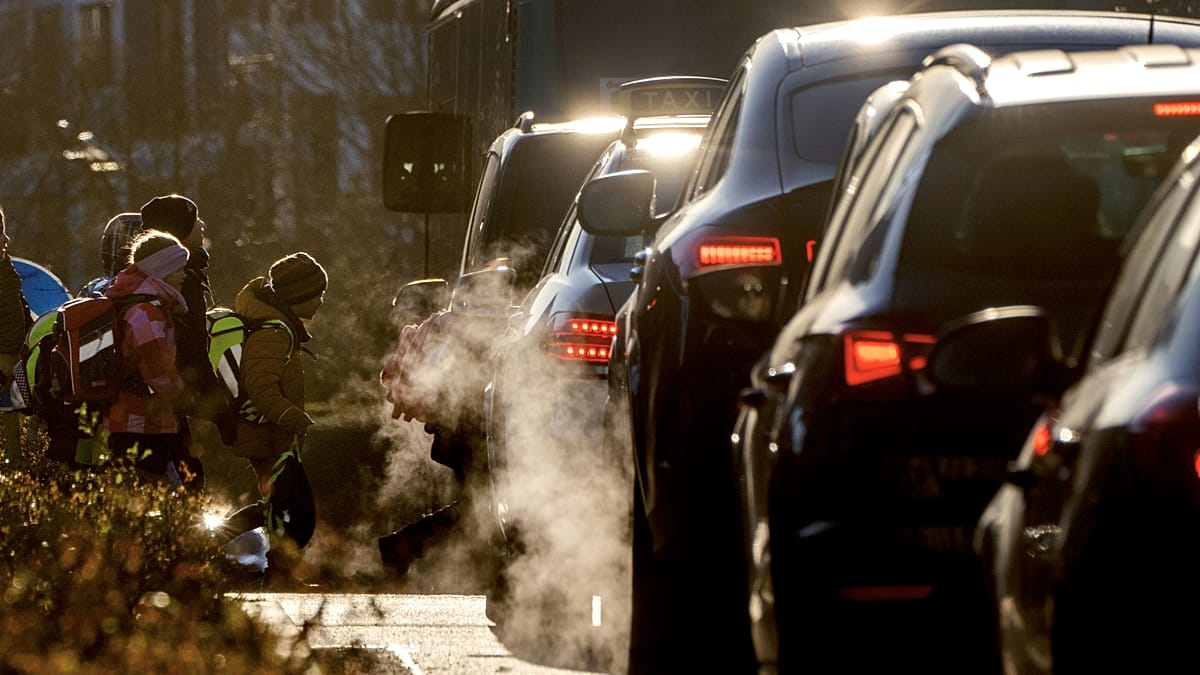
The European Union's Euro 7 standard began to apply on Sunday, 29 November, to new cars and small utility vehicles. For the first time, it sets limits on particles produced by tyre abrasion and braking. Euro 7 is the latest stage of the EU's vehicle emission rules.
Requirements on exhaust carbon emissions remain as they were under Euro 6. The tighter rules instead target particulate matter from tyre wear and brake dust. The European Commission estimates that tyres are the main source of microplastics released into the environment. Carbon emissions, meanwhile, are expected to fall gradually towards 2050 as European vehicles are electrified, under the EU limit set for 2035.
Brakes and tyres
The Commission estimates that brake and tyre wear could account for up to 90 per cent of all particles emitted by road transport in the near future. Cars with conventional brakes must keep fine particle emissions to 7 mg/km, while fully electric models, which often use energy-recovery systems that reduce the need for conventional braking, must meet just 3 mg/km. The standard also introduces specific tyre-wear tests, in the hope of pushing manufacturers towards new materials and greater durability.
Battery requirements for electric cars
Until now, electric vehicles branded as non-emitting were not covered by Euro standards. Manufacturers must now also ensure traction battery durability. Up to 100,000 km or five years, batteries must retain 80% of their original performance. Up to eight years or 160,000 km, the threshold is 72%.
To meet the brake rules, manufacturers are working on lighter, more durable brake pads and on organic composites. Dedicated particle filters are also being studied.
Euro 7 also introduces a Vehicle Environmental Passport giving users data on CO2 emissions, fuel and electricity consumption, battery lifespan and electric-mode range. The new requirements are likely to raise the cost of new vehicles because of smart monitoring systems and extra features.