Spotify alternatives: What other music streaming services offer
As Spotify faces criticism over artist pay, AI content and its founder's defense-tech investment, alternatives such as Apple Music, Deezer, Qobuz and Coda offer different approaches to streaming, including higher royalty transparency and user-driven discovery.
Market position and controversy
Spotify remains the largest music streaming platform, with 293 million paid subscribers and 761 million monthly active users. Lately, the service has drawn criticism on several fronts. Founder and former CEO Daniel Ek, now executive chairman, invested $694 million last year into defense technology startup Helsing. The move triggered backlash, and some artists removed their music from the platform. Spotify also faces concerns about AI-generated content: it says it will label AI-made musicians as "AI Personas," but the system relies on self-reporting by account holders. A licensing agreement with Universal will allow Premium users to create AI-assisted remixes and covers.
How royalty payments work
There is no fixed per-stream rate in the industry. Streaming services take a cut — typically around 30 percent of revenue — and distribute the rest based on an artist's share of total streams on the platform. Payments usually go to labels or publishers, which then pay musicians under their own contracts. As a result, a subscriber's monthly fee is not directed only to the artists they listen to.
Options from big tech
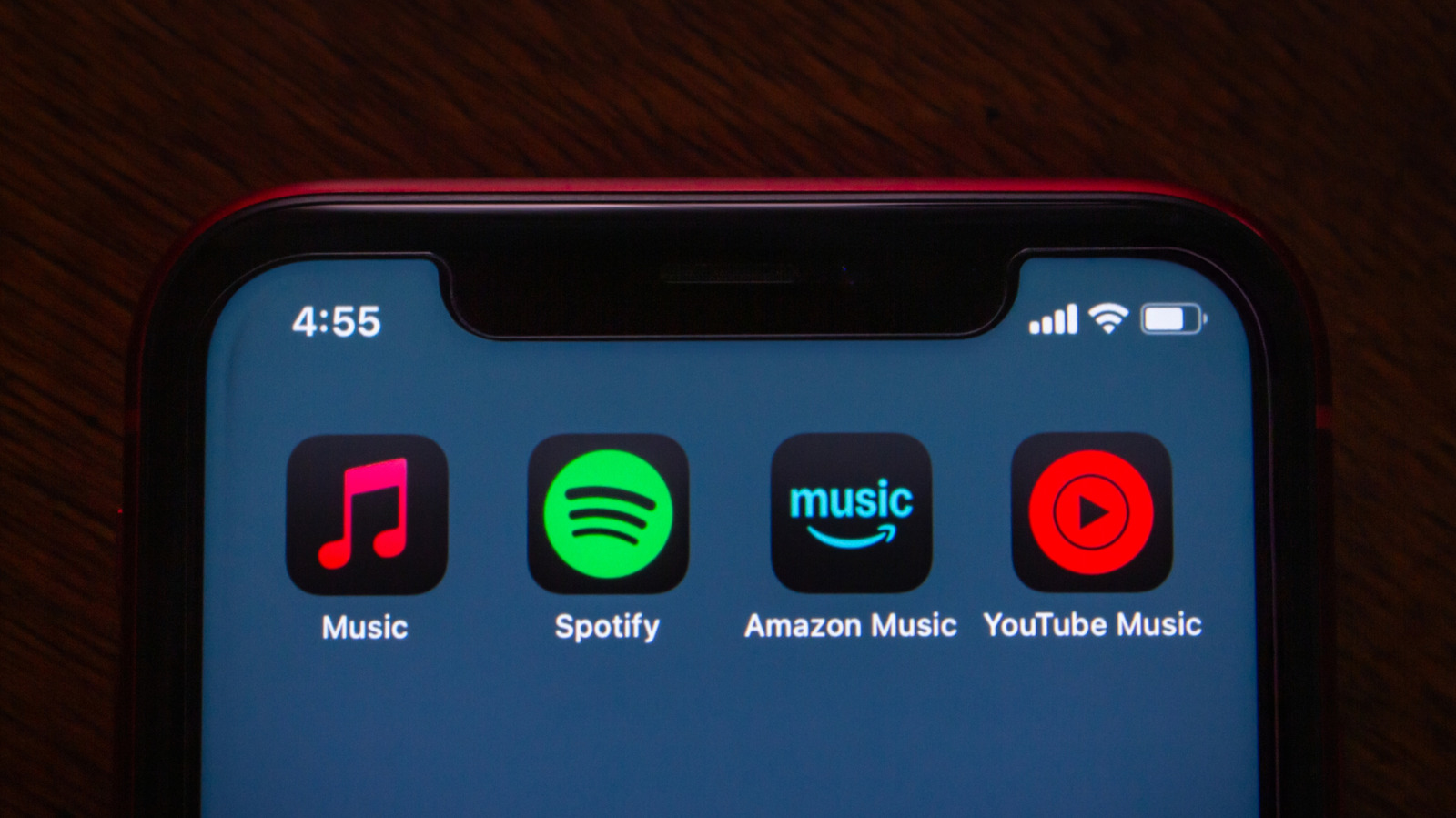
Apple Music, Amazon Music and YouTube Music offer catalogs and features comparable to Spotify. Apple Music stands out for Dolby Atmos support and a focus almost entirely on music rather than podcasts and audiobooks. YouTube Music integrates with YouTube's vast uploaded-music library. YouTube Premium costs $16/month and includes ad-free YouTube, while Apple Music is $11/month, and Amazon and YouTube Music are $12/month each.
Smaller services with different priorities
Tidal was acquired by Block Inc. and discontinued its direct artist payout program in 2023. Deezer uses an "artist-centric" model: streams from manual searches are paid at double the standard rate, and artists with more than 500 unique listeners and 1,000 plays per month also qualify for double rates. Those factors can stack to 4x. Deezer has also de-monetized background noise tracks and applies a 1,000-stream cap per user to limit fraud. It says 85 percent of AI-generated music is fraudulent and that such content accounts for 1–3 percent of streams.
Qobuz focuses on high-resolution audio, offering FLAC 24-bit up to 192 kHz. Its basic plan is $13/month or $10.83/month with annual billing. The company reports an average payout of $0.01873 per stream for 2024, and average revenue per user of $121.13 versus a market average of $22.38.
Coda is a newer entrant that favors human recommendations and social-style profiles over algorithmic suggestions. Its CEO said the average payout in April 2026 was $0.014 per stream.

