Schrader: Oil Price Rise Tied to War in Ukraine and Conflicts in the Middle East
Sandis Schrader, a researcher at the Latvian Institute of International Affairs, said on TV24 that rising global oil prices are linked to military conflicts, and that stabilising the Middle East will be extremely difficult.
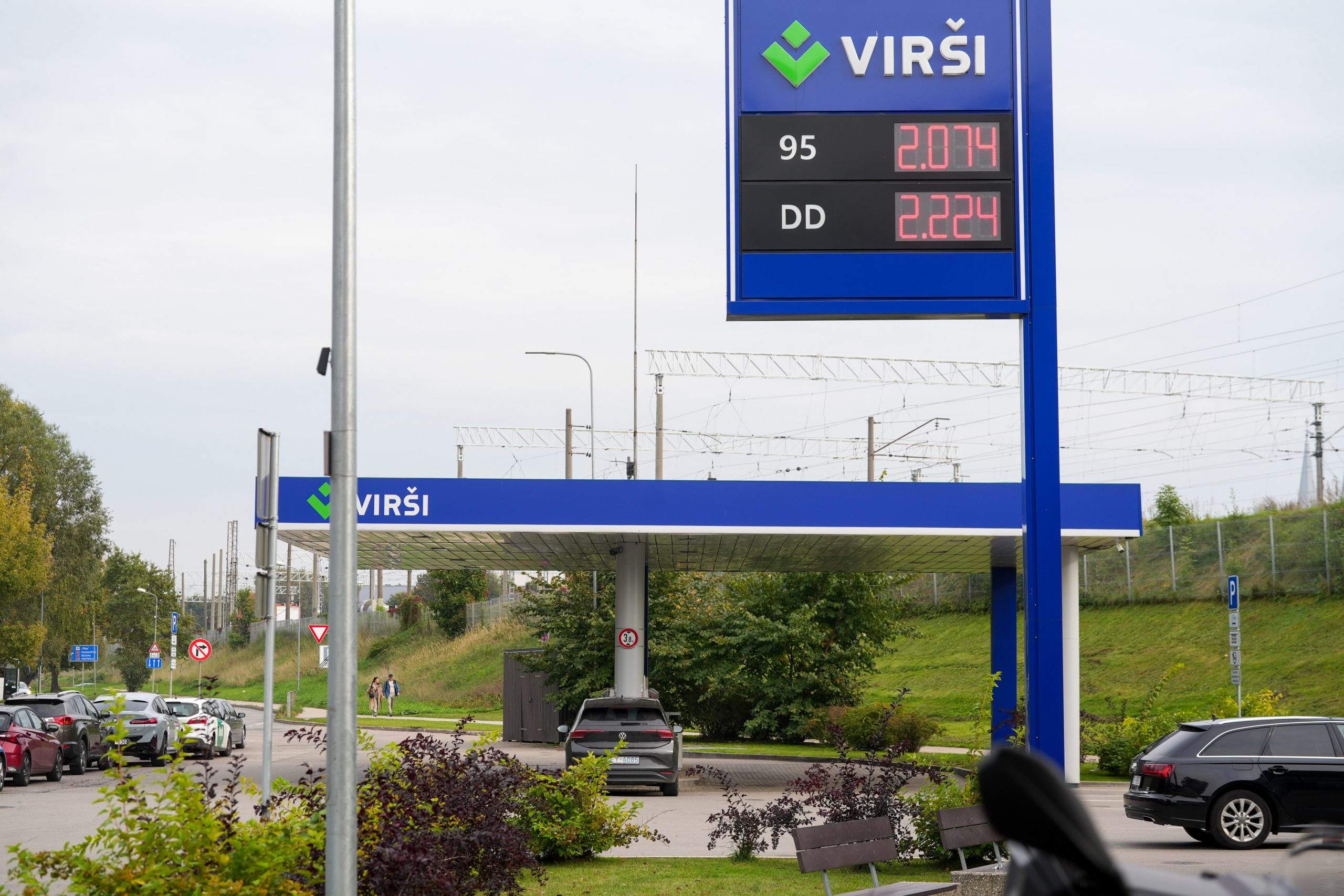
The rise in global oil prices is closely linked to military conflicts in the Middle East, and achieving stability in the region will be extremely difficult. This was said by Sandis Šrāders, a senior researcher at the Latvian Institute of International Affairs and a board member of the Latvian Transatlantic Organisation, on the TV24 programme "Globuss". His assessment concerns the global energy market, where fuel prices react sharply to geopolitical shocks.
The expert explained that any analysis of the world oil market must take the main resource holders into account. Russia has historically been one of the most important exporters of oil products, but in terms of oil reserves it ranks about 10th in the world. The Persian Gulf states are far more significant for global oil resources. These countries are unhappy with Iran's actions, which is why, in Šrāders's view, the United States, Europe and China should think about stabilising the Middle East if they want to change the global oil market.
How the price rise began
Šrāders recalled that oil prices began to climb after Russian President Vladimir Putin launched a full-scale war against Ukraine. According to the expert, every conflict that destabilises world markets also affects energy prices, and oil is one of the first commodities whose price responds to such shocks.
"And then Donald Trump made a bad situation even worse by starting his war in the Middle East against Iran, which is very, very hard to bring to an end," Šrāders said.
He explained that the region is bound together by many different ties, both visible and less obvious, including the activities of terrorist organisations and economic interests. In addition, the Persian Gulf region includes relatively young states, in whose border-drawing Europeans and Americans were also involved at one time.