Schrader: Trump–Putin–Xi Meeting Brings No Peace, Russia Uses Aggression for Domestic Reasons
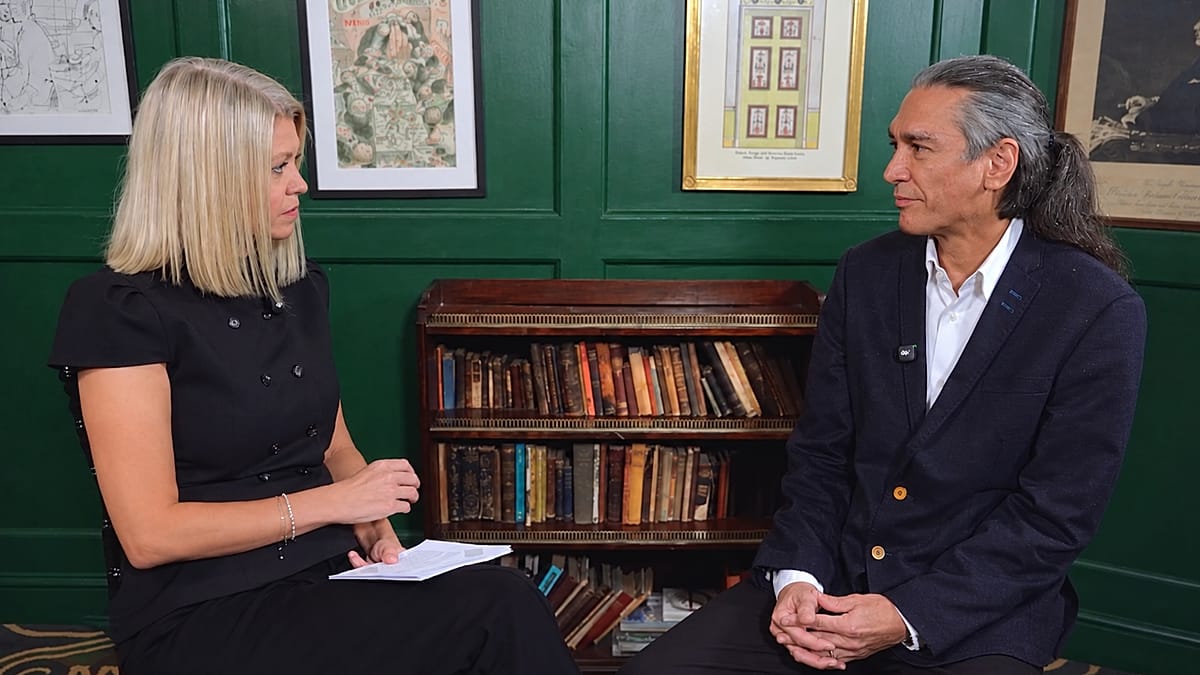
Sandis Schrader of the Latvian Institute of International Affairs was skeptical on TV24's "Globuss" about the meeting of the US, Russian and Chinese leaders in Shenzhen. He warned of nuclear proliferation risks in the Middle East and said Russia uses aggression to divert attention from domestic problems.
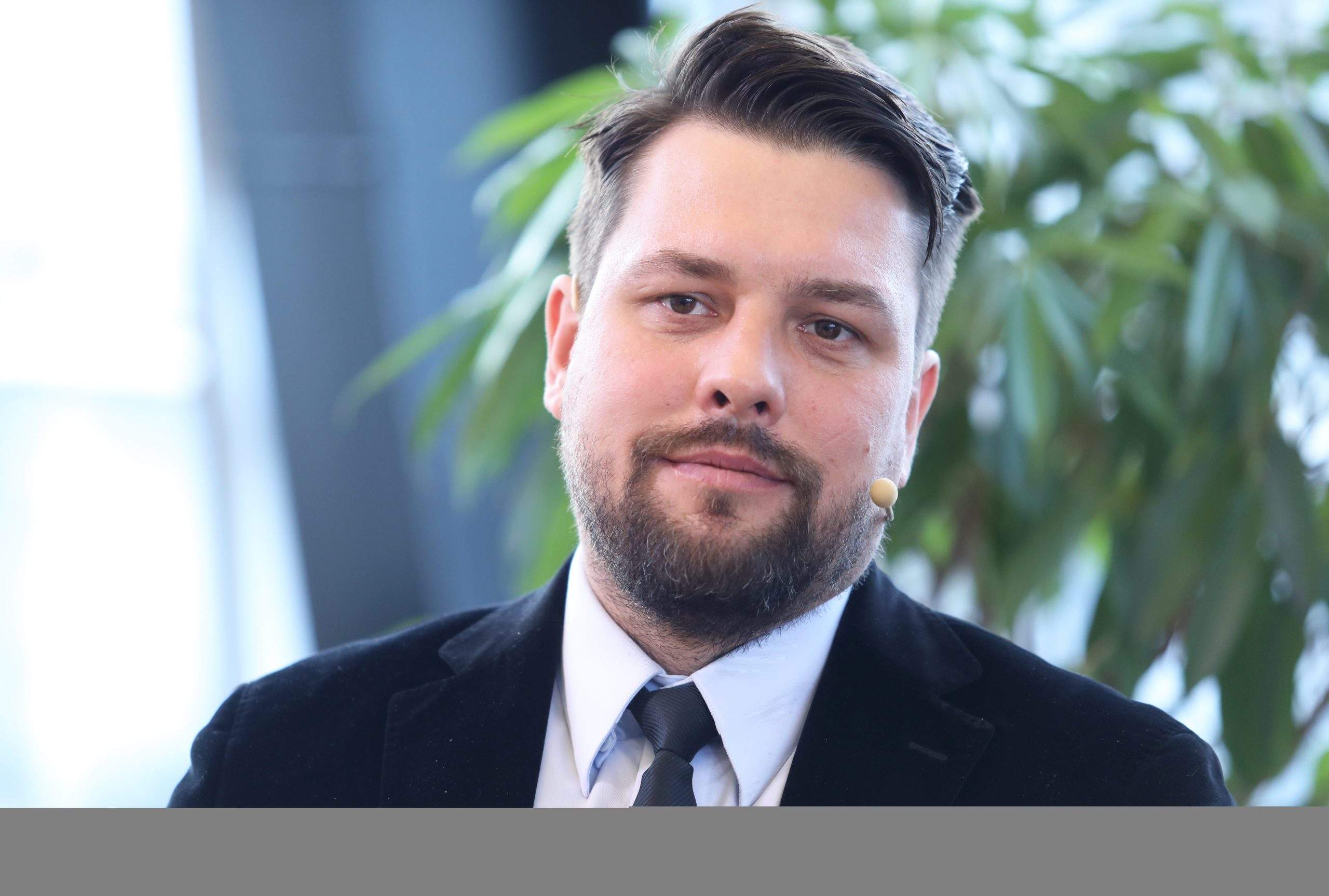
Sandis Schrader, senior researcher at the Latvian Institute of International Affairs and a board member of the Latvian Transatlantic Organisation, is sceptical about the meeting of US President Donald Trump, Russian President Vladimir Putin and Chinese President Xi Jinping, held on 19 November in the Chinese city of Shenzhen. Speaking on the TV24 programme "Globuss", he said the talks dealt with the great powers' own interests rather than concrete steps towards peace. This matters because the meeting was billed as a chance to discuss nuclear arms control, the war in Iran and Russia's war in Ukraine, yet no agreement to end any conflict was announced.
Doubts about peace
Schrader admitted he finds it hard to see a link between the talks and any real chance of halting hostilities. In his view, they were about how the great powers might cooperate, not about peace. After the meeting Trump acknowledged that reducing nuclear arsenals is difficult but stressed the need to continue dialogue. The other leaders also voiced general support for stability.
Nuclear proliferation risk
The researcher warned that Iran's efforts to obtain nuclear weapons could push other countries in the region to seek similar capabilities. He named Saudi Arabia, Egypt and Turkey, and recalled Pakistan's nuclear programme, which Saudi Arabia helped finance. This is a scenario described by an expert: it has not been publicly proven that Pakistan decided to supply nuclear weapons to Saudi Arabia, and Egypt and Turkey have no publicly confirmed nuclear arsenals.
According to Schrader, Russia values its relationship with Iran, while China is interested in stable trade routes and access to energy resources.
Assessment of Russia's motives
Schrader believes Putin cares about international prestige and his domestic political position. He criticised Putin's statements that attribute terrorist activity to Ukraine, arguing they divert attention from Russia's own invasion. Near the end of the programme he said Russia has no choice but to be aggressive, since attacking a neighbour helps distract from problems at home. This is Schrader's own political assessment, not a claim about the attitudes of all Russians.
Until concrete action follows on preventing nuclear proliferation and halting hostilities, the expert does not regard the meeting as a significant step towards peace.