ICJ rules Myanmar committed genocide against Rohingya minority
The UN's top court in The Hague ruled 9-6 that Myanmar committed genocide against its Rohingya community a decade ago. It ordered Myanmar to prevent repetition, reform its laws and compensate victims.
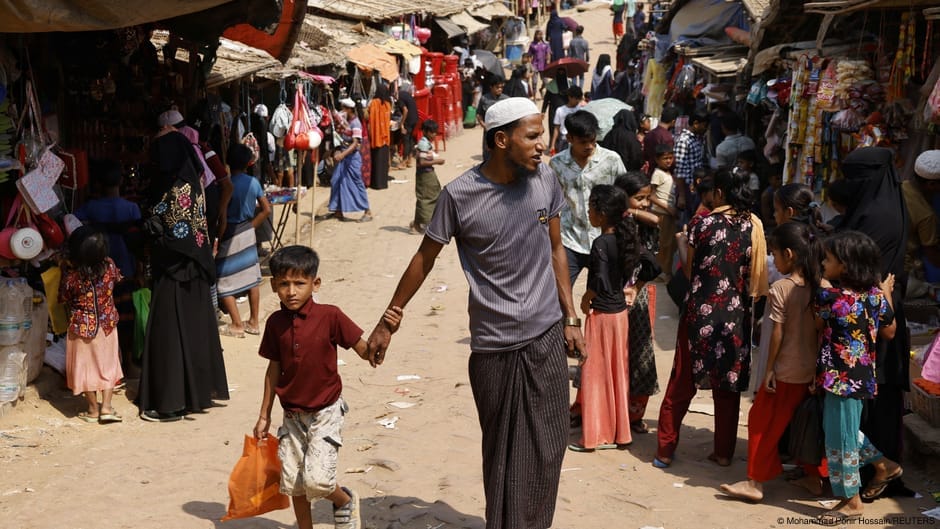
The International Court of Justice (ICJ), the United Nations' highest court in The Hague, ruled on Thursday that Myanmar committed genocide against its Muslim Rohingya minority a decade ago. The 15-judge panel decided by 9 votes to 6. The Gambia filed the case in 2019, accusing Buddhist-majority Myanmar of a deliberate campaign of arson, rape and murder in 2016 and 2017. It is the first time the ICJ has found a state responsible for genocide, and the first ruling in any of the cases brought against Myanmar or its leaders in courts around the world.
What the court decided
Myanmar argued that it had been conducting legitimate counterinsurgency operations against the Arakan Rohingya Salvation Army, an armed group that had attacked police and military posts. The court rejected this. ICJ President Yuji Iwasawa said casualties and damage went far beyond what military necessity justified, and that executions of men and boys, widespread sexual violence, the targeting of children and babies, the methodical burning of villages and attacks on fleeing civilians are inconsistent with counterinsurgency intent.
Myanmar must prevent a repeat of such crimes, allow the safe, voluntary and dignified return of those who fled, investigate the crimes and prosecute those responsible. It must also return or replace stolen property or, within two years, show the court it is compensating victims for losses it cannot otherwise make good. A UN-backed fact-finding mission concluded that about 10,000 people likely died, and roughly 700,000 Rohingya fled to Bangladesh in August 2017.
Obstacles to enforcement
Those behind the genocide, including former military chief and current President Min Aung Hlaing, have stayed in power since toppling the elected government in 2021. A civil war continues across much of the country, including Rakhine State. Enforcement falls to the UN Security Council, but China and Russia, which back Myanmar, would almost certainly veto punitive measures, said Richard Horsey of the International Crisis Group. The UK said it would expel Myanmar's defense attache and call for a Security Council session.
Rohingya activists welcomed the ruling but stressed that the struggle continues and that the international community must act. The International Criminal Court is weighing an arrest warrant request for Min Aung Hlaing over alleged crimes against humanity.