India-UK free trade agreement comes into force
The India-UK free trade agreement (FTA) took effect on Wednesday, eliminating or reducing tariffs on 99% of Indian exports to the UK and 90% of UK imports to India.
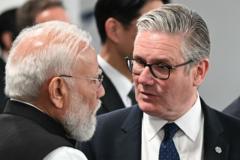
The India-UK free trade agreement came into force on Wednesday, offering significant tariff reductions for a wide range of goods. Indian textile manufacturer Welspun Living, which produces towels for Wimbledon, has been preparing to take full advantage of the deal.
CEO Dipali Goenka said that India was previously at a disadvantage compared to countries like Bangladesh and Pakistan, whose exports entered the UK duty-free. For home textiles, Pakistan holds about 55% of UK imports, while India's share is only 6-7%. The FTA removes the 12% tariff that Indian textile and garment exporters paid, potentially closing that gap.
The agreement also cuts customs duties on Scotch whisky from 150% to 75% immediately, with further reduction to 40% over ten years. Avneet Singh of Delhi-based import house Modern Drinks Pvt Ltd described this as a "real shift," though he expects the full impact on import volumes to become clearer in the coming months.
Trade experts caution that the overall effect may be incremental rather than transformational. According to the Global Trade Research Initiative (GTRI), more than half of India's exports to the UK already entered duty-free. Additionally, the UK maintains tariffs on steel above a quota and plans to introduce a carbon border tax (CBAM), which could reduce the FTA's benefits.
Another challenge is low awareness among Indian small businesses about FTA provisions. Currently, only 20-30% of eligible Indian exports use preferential tariffs, while import-side utilisation is much higher. Experts stress that the government and industry associations need to proactively help companies comply with origin requirements and documentation.
Despite these hurdles, the FTA comes at an opportune time for India's ready-made garment sector, where China's market share is declining due to rising labour costs. India's share in UK garment imports could double from 6% in 2024 to 12% in the near to medium term, according to CareEdge Research. Bilateral trade could also grow by 15% annually, up from the current 10-12%.