Sudan civil war: Civilians used as 'human shields'
Paramilitary RSF forces are using civilians as human shields in attacks on the Sudanese city of El Obeid, destroying infrastructure and causing severe psychological trauma to children.
In the strategically important desert trading hub of El Obeid, drone strikes by the paramilitary Rapid Support Forces (RSF) have caused extensive damage to civilian infrastructure, including power grids, water treatment plants, schools, and hospitals. Footage published by the nonpartisan Sudanese outlet Ayin Network shows flattened houses and a ruined school.
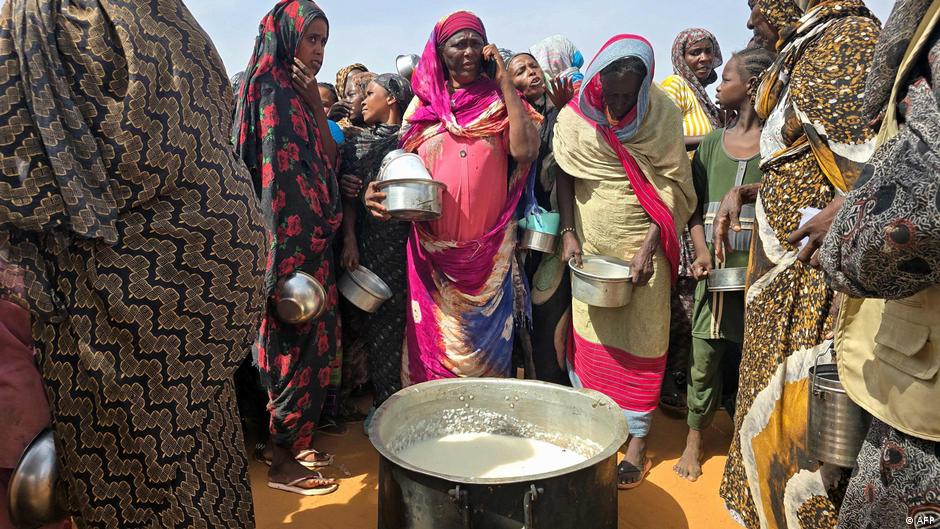
The city, once home to half a million people, is now under siege and hosts hundreds of thousands of internally displaced persons (IDPs). According to Ahmed Awad, project manager for Plan International and a native of El Obeid, there is a severe shortage of medical supplies, food, and clean water. He observed long queues at a single water pump, with people waiting all day for just one liter.
A drone strike hit a primary school, killing three children. This has traumatized other children, many of whom are now afraid to attend school. One mother reported that her three children cannot sleep due to constant fear of another attack. Plan International is providing psychosocial support to those terrified of drones.
Analysts and aid organizations warn that the RSF could soon capture El Obeid. Adam Mousa Eshag, director of the Darfur Victims Support Organization (DVS), explained that the Sudanese Armed Forces (SAF) have turned schools into barracks, making them legitimate military targets. When the RSF attacks these sites, civilians become "human shields" and pay the highest price. This scenario echoes the capture of El Fasher, where a UN Fact-Finding Mission identified "hallmarks of genocide."
United Nations and human rights groups have issued joint appeals, warning that an escalation in El Obeid could lead to a repeat of atrocities. UN Special Envoy Pekka Haavisto stated that ongoing drone strikes are already affecting civilians and humanitarian aid delivery, and any further escalation would put thousands at risk.

