Superworms could replace beetles for cleaning skeletal remains
Researchers propose using superworm larvae as a safer and equally effective alternative to dermestid beetles for cleaning bones in museums and forensics.
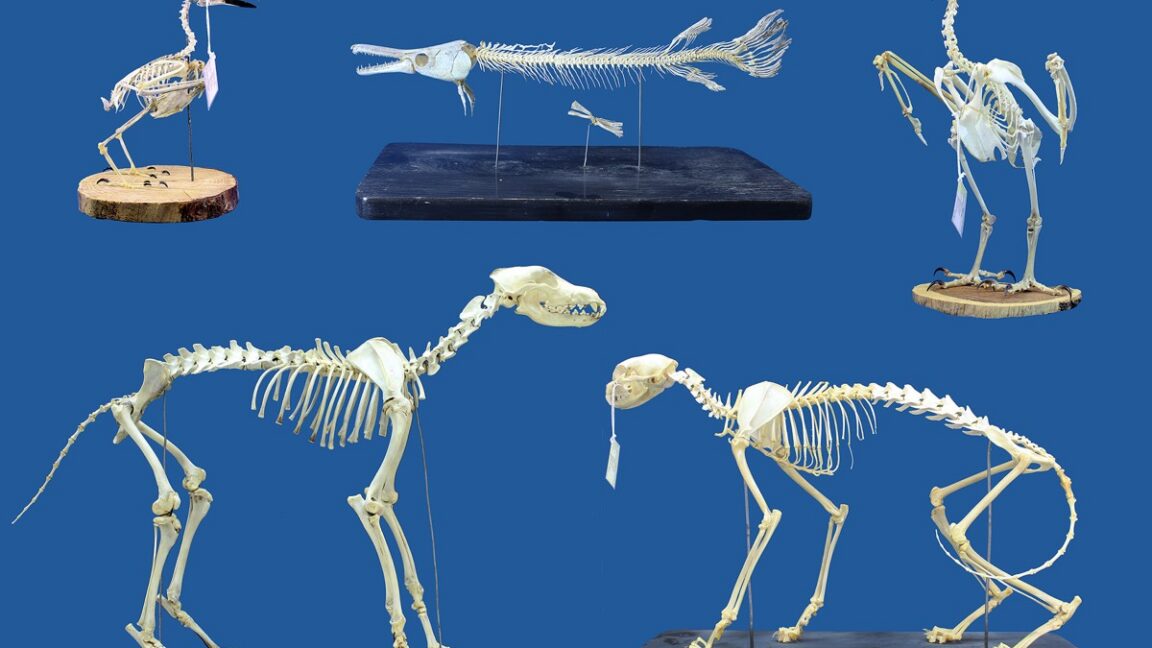
A new method for skeletal preparation
Preparing skeletons for museum display or forensic studies requires thorough removal of soft tissues without damaging the bones. A new study published in PLoS One suggests that the larvae of superworms (Zophobas morio), commonly used as pet food, could be a practical alternative.
Current preferred methods, such as dermestid beetles, are efficient but pose risks: beetles can escape and cause infestations, threatening museum collections. Superworm larvae only remain in the larval stage for 10–12 weeks (compared to 5–7 weeks for beetles) and do not pupate under crowded conditions, making colony management easier and reducing escape risks.
Testing on various specimens
Researchers Fatemeh Rastekar, Niloofar Alaei Kakhki, and Morteza Monfared from Ferdowsi University of Mashhad, Iran, tested superworms on donated specimens including an Egyptian rosette, a house mouse, a little bittern, an alligator gar, a Eurasian eagle-owl, a rook, a wild cat, and a gray wolf. A parallel experiment using traditional boiling on a marbled polecat skeleton showed comparable cleaning efficiency. The study concludes that superworms can clean bones effectively without the infestation hazards associated with beetles.