Tallinn exhibition explores contemporary Japanese design
The Estonian Museum of Applied Art and Design in Tallinn is showing "Japanese Design Today", featuring more than 100 objects. Museum director Kai Lobjakas says many everyday elements of Western life have roots in Japan.
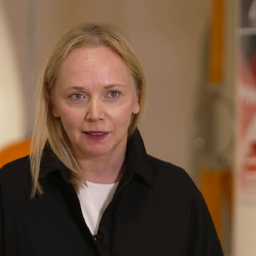
The Estonian Museum of Applied Art and Design in Tallinn is hosting "Japanese Design Today", an exhibition that uses design to examine changes in Japanese society, culture and daily life. Museum director and design historian Kai Lobjakas says many aspects of life in the Western cultural sphere trace back to Japan. The show runs through January 31.
It is organized jointly by the Embassy of Japan in Estonia, the Japan Foundation (Japan's international cultural exchange organization) and the museum. The exhibition space was designed by Hayashi Tomomi, a Japanese architect working in Estonia and a professor at TTK University of Applied Sciences.
The objects
According to the embassy, more than 100 varied objects are on display. They include everyday household items such as an electric rice cooker and a tabletop soy sauce dispenser from the 1950s–60s, along with Yanagi Sori's "Butterfly Stool". Visitors can also see cutting-edge technologies and environmentally friendly systems, the original 1970s Sony Walkman cassette player and the ERS-1000 robotic dog Sony introduced in 2018.
A traveling exhibition
The show continues the Japan Foundation's tradition of international traveling exhibitions. The first version was created in 2004 and toured the world over the following decade, while the updated exhibition began its tour in 2014. The Tallinn version has an entirely new selection of objects.
Lobjakas says cultural institutions can be wary of traveling exhibitions because they risk being oversimplified, but he considers this one an exception. In his view, it places everyday life in Japan in the context of tradition and shows how design can influence life more broadly.
Parallels with Estonia
Lobjakas says visitors will recognize many items even without having been to Japan, as such influences have reached the Western cultural sphere over the past two or three decades. He also sees similarities between Japanese and Estonian design, calling both restrained and refined. A couple of works in the exhibition came out of Finnish-Japanese collaboration.