Tallinn Rejects Architects' Proposals for Pärnu Maantee Reconstruction
The Estonian Association of Architects proposed changes to the Pärnu maantee reconstruction project, but the City of Tallinn has not adopted them. The city cited the tight schedule of the European-funded project.
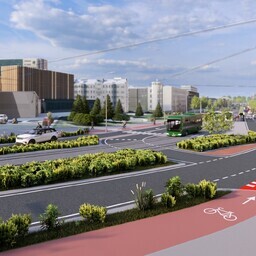
The Estonian Association of Architects has submitted several proposals to the City of Tallinn for modifying the reconstruction project of Pärnu maantee, one of the main thoroughfares of the Estonian capital. After the latest meeting with city officials, it became clear that the architects' suggestions will not be included in the project.
The association has stressed the importance of public space quality in the talks. Board member Jaak-Adam Looveer said the meeting was pleasant but produced no result. The main reason given was the tight schedule of the European-funded project, which supposedly makes further changes impossible.
The architects' objections
Looveer said the current design would turn what is now a city-center environment mainly into a transit corridor, rather than a space that makes the street more attractive. He acknowledged that the project deserves credit for the considerable work put into the bicycle lanes. However, he said there are no benches for pedestrians and no designated stopping areas for cyclists or cars. Public transport stops, he added, are treated more as obstacles that slow traffic down, and they are being moved much farther apart.
The city's reasoning
Tallinn Deputy Mayor Kristjan Järvan said the city compared different solutions and concluded that the current version is the best one. For that reason, it does not plan to change the public transport stops. He explained that specialists at the Transport Department have thoroughly modeled and analyzed public transport use, and the most important factor is a stop's location. Adding stops between existing ones slows public transport down, and the city would then lose passengers.
Asked whether expert opinions should be taken into account, Järvan said the city government believes experts should be involved and that various city departments employ highly professional specialists. Design work and traffic analyses are procured through public tenders. He also said that during the meeting he noticed what he called a curious distinction: the association appeared to suggest that architects are experts, while mobility engineers are not experts whose views deserve equal weight.