Why self-service laundromats are spreading in Tallinn
Self-service laundromats have been appearing across Tallinn, the Estonian capital, even though nearly every home has a washing machine. Business representatives and a real estate executive point to saved time, smaller apartments and drying problems.
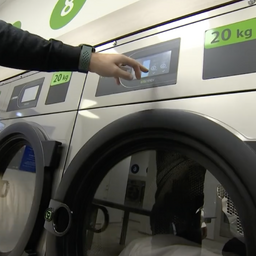
Self-service laundromats, where customers wash and dry their own clothes, have recently sprung up across Tallinn, the capital of Estonia. This is surprising, as hardly any homes lack a washing machine. The Estonian public broadcaster ERR looked into the trend, which was also covered on the ETV programme "Aktuaalne kaamera".
Background
The first self-service laundromats opened about 60 years ago, when many homes still had their water supply outside. At the time, the Riga washing machine, which kept giving electric shocks, was an unattainable dream for many housewives. Laundromats disappeared when automatic washing machines went from luxury goods to everyday appliances.
Why they are returning
Ingmar Saksing, a management board member at LVM Real Estate, said apartments are indeed getting smaller, but that alone does not mean laundry cannot be done at home. In his view, people have little time, and washing clothes has remained a tedious chore. Where the bathroom lacks space, machines are tucked under the sink or built into kitchen furniture. Drying is a bigger problem: clotheslines between apartment blocks have given way to parking spaces, and attics have become penthouse apartments.
Aljona, a Mustamäe resident who has both a washing machine and a dryer at home, still prefers the laundromat. Washing bed linen at home takes two to two and a half hours, compared with half an hour at the laundromat, and drying takes 15 minutes instead of an hour and a half. The machines save time because they do not heat water.
Mairo Matsi, a management board member at the Laundrix laundromat chain, said there are more machines and they are bigger, so laundry gets done faster. Kristiina Lõhkivi, a representative of the company Laundromat, said the main customers are single men and mothers who have large items such as blankets and pillows. She added that home machines are considerably less efficient than industrial ones, unless they cost several thousand euros.
The busiest times are weekends and evenings from 10 pm to midnight. A quarter of customers bring wet laundry to dry.