Lake Tahoe residents ‘horrified’ by plans to spray cancer-linked herbicide on public lands
A US Forest Service plan to use glyphosate and other herbicides for post-wildfire restoration near Lake Tahoe has sparked fierce opposition from residents and officials who fear health and environmental risks.
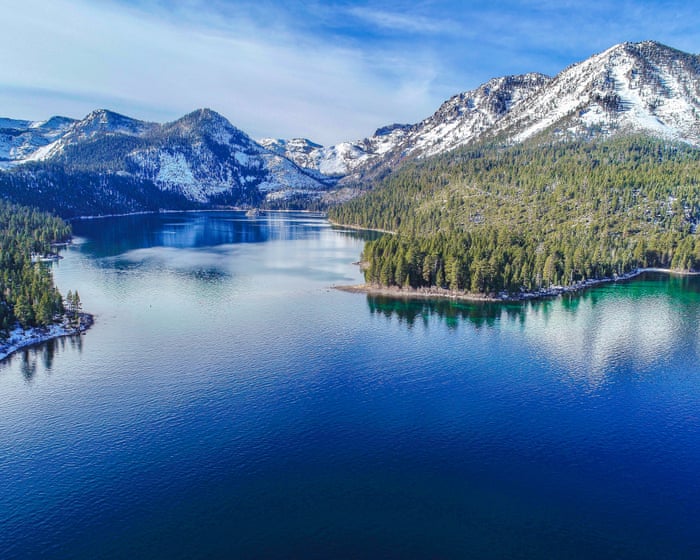
Residents of the Lake Tahoe area are expressing shock and anger over a US Forest Service proposal to spray herbicides, including glyphosate, on national forest land adjacent to the famous lake. The project aims to restore areas damaged by the 2021 Caldor Fire, which burned over 200,000 acres.
The Forest Service argues that the herbicides are necessary to clear shrubs and brush before planting new trees and to manage vegetation afterward. Spraying would be done with backpack sprayers, not from the air, to minimize harm to nontarget plants and waterways. However, locals and officials, including South Lake Tahoe Mayor Cody Bass, worry about the potential contamination of the lake’s pristine waters and the health risks of glyphosate.
The Tahoe Regional Planning Agency (TRPA) has sent a letter to the Forest Service requesting a meeting and urging minimal herbicide use. The opposition has gained support from the Make America Healthy Again (Maha) movement, which is lobbying the EPA to ban or restrict glyphosate.
Glyphosate, introduced by Monsanto in the 1970s, is widely used in products like Roundup. In 2015, the World Health Organization’s cancer agency classified it as probably carcinogenic to humans. Bayer, which bought Monsanto, disputes this, and the EPA maintains that glyphosate is unlikely to cause cancer.
The controversy at Lake Tahoe is part of a broader debate over pesticide use on public lands. According to data from the Center for Biological Diversity, nearly 939,000 pounds of pesticide products were applied on Forest Service land from 2017 to 2020. Locals only learned of the plan after a Mother Jones article revealed that up to 75,000 acres could be treated.
Forest Service officials defend the plan, stating that each herbicide is registered and assessed. But residents vow to continue fighting, citing the lake’s unique ecological value and their own health concerns.

