Texas researchers cut zirconia dental crown 3D-printing time from days to minutes
Engineers at UT Dallas have developed a technique that could allow dentists to produce durable zirconia dental crowns via 3D printing within a single visit. The technology, backed by NSF funding, is now moving toward commercialization.
Researchers at the University of Texas at Dallas have developed a technology that could allow dentists to produce permanent, 3D-printed zirconia restorations — including crowns, bridges and veneers — in a single day. Zirconia is regarded as the gold-standard material for permanent dental work due to its strength, but fast 3D printing of it has not previously been practical.
Why zirconia printing is difficult
After a zirconia crown is 3D-printed, it must go through two stages: debinding and sintering. Debinding, which removes the resin holding the zirconia particles together, traditionally takes 20 to 100 hours because it must proceed slowly — speeding it up risks trapped gas cracking the crown. This bottleneck has kept permanent 3D-printed zirconia restorations off the market for same-day use. Currently available same-day 3D-printed crowns are typically made from weaker ceramic resins, while same-day zirconia crowns are produced by milling, which limits design complexity and carries a risk of micro-cracking.
The new method
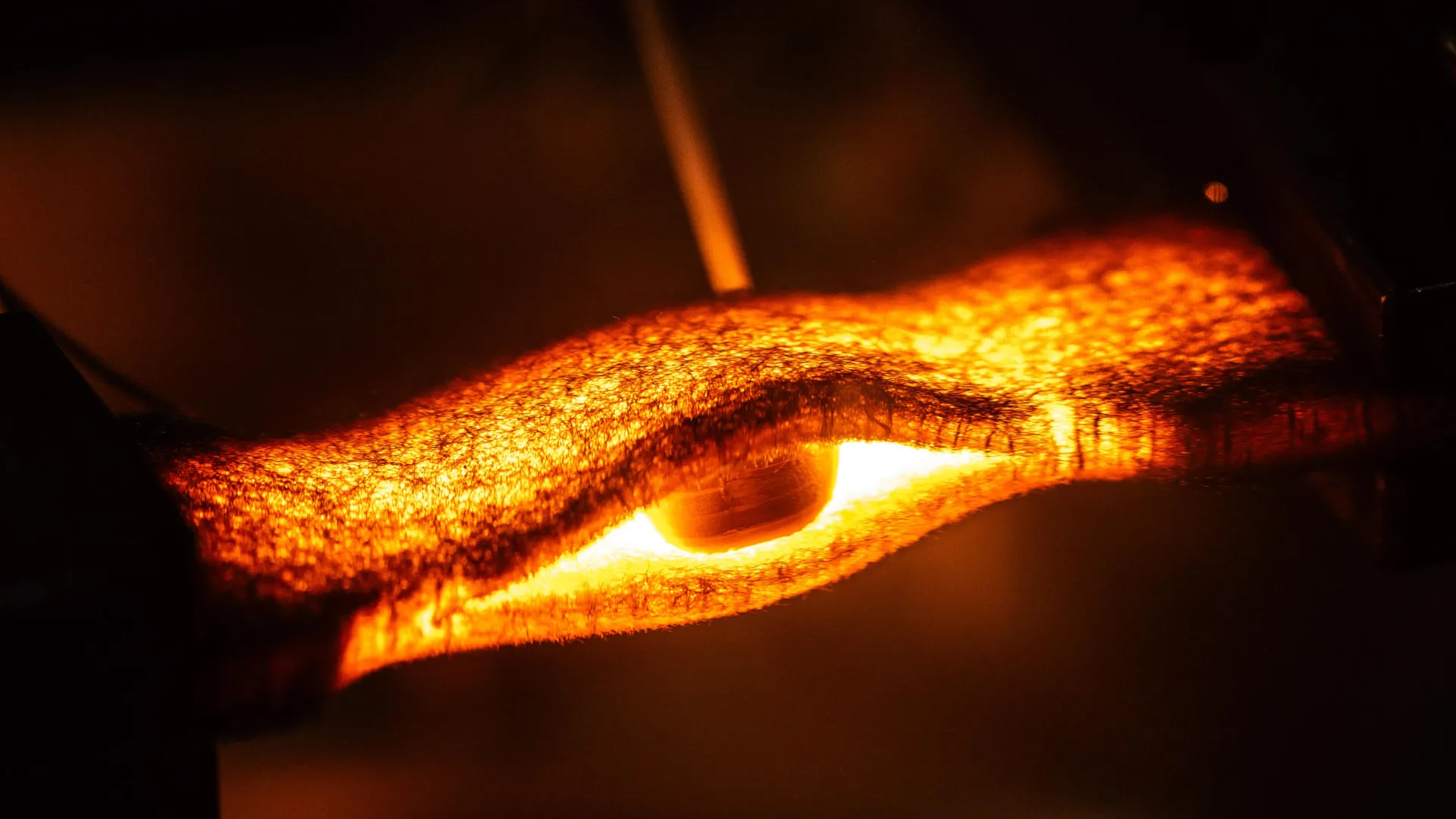
The UT Dallas system combines improved heat transfer with a porous graphite felt capable of withstanding temperatures above 2,550 degrees Fahrenheit. The felt surrounds the printed restoration, giving escaping resin gases a path out, while a vacuum system removes them from the surrounding area. This combination cuts the debinding stage to under 30 minutes, meaning a chair-side 3D-printed zirconia crown could potentially be delivered to a patient within a few hours.
Toward commercial dentistry
The research team, led by Dr. Majid Minary, is now working with Pan-AM Dental Laboratory to commercialize the technology, supported by a $550,000 award from the National Science Foundation's Partnerships for Innovation program. The effort also involves 3DCeram Sinto Inc. of Michigan and a prosthodontist based in Arlington, Texas. Before the technology can reach the market, it will still require clinical validation and regulatory approval.