Charging Your Phone in the Car: Minimal Impact on Fuel Consumption
Contrary to common concern, charging a smartphone in a vehicle has a negligible effect on gas mileage, with experts estimating a reduction of only about 0.03 miles per gallon.
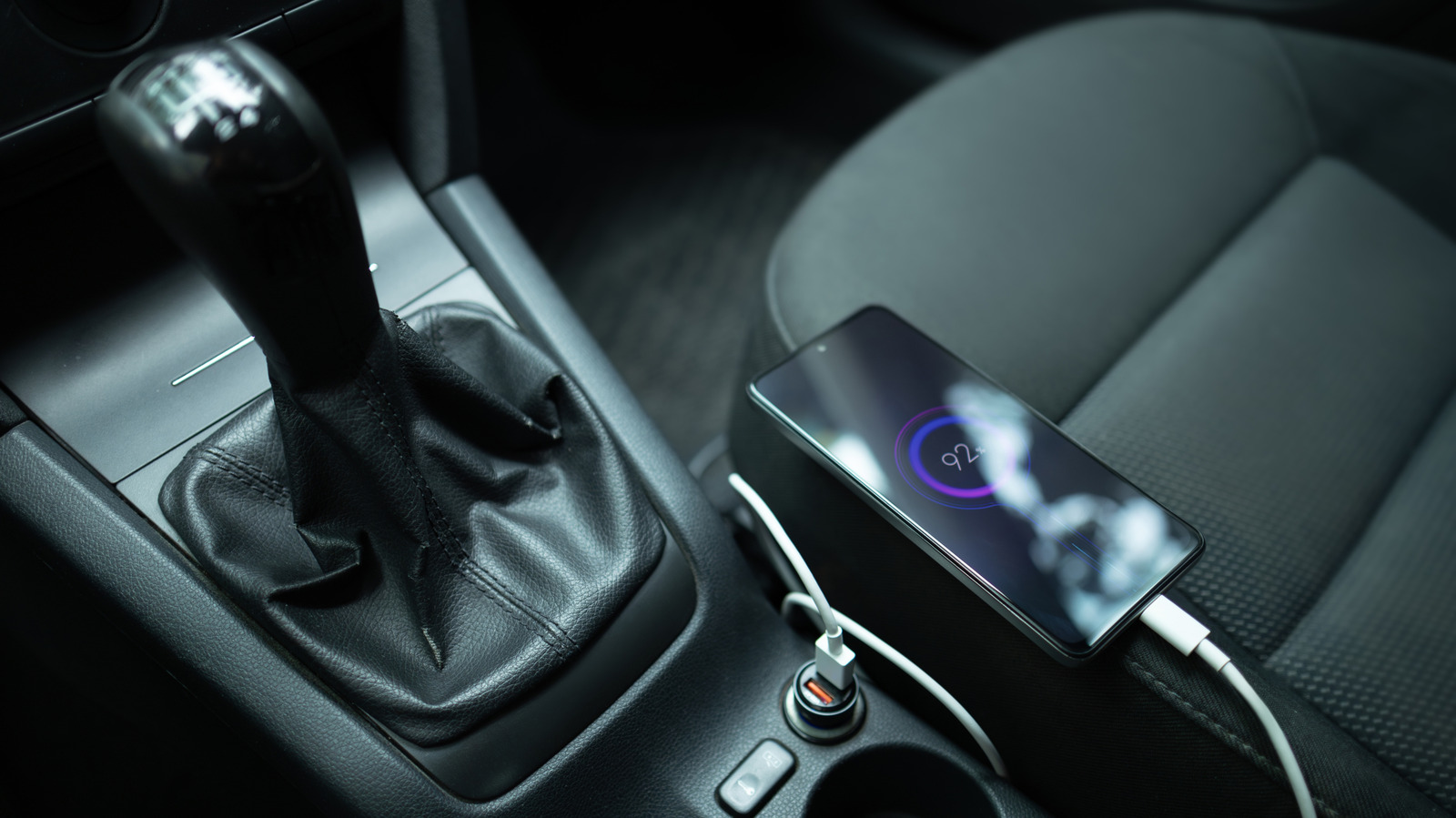
The short answer is that charging a phone in a car does not waste a noticeable amount of gas. While phone chargers technically draw electricity from the car's alternator, which in turn uses engine power and fuel, the power required is minuscule—only 5 to 15 watts. In comparison, a car's air conditioning system consumes thousands of watts and can increase fuel consumption by up to 10%. Even the car's turn signals use more electricity than a phone charger.
According to reports, an average car charger reduces fuel efficiency by about 0.03 miles per gallon. For a vehicle achieving 20 MPG, this would drop to 19.97 MPG—a barely measurable change. Thus, drivers need not worry about any significant impact on their journeys.
Concerns about draining the car battery are also largely unfounded while the engine is running, as the alternator supplies power. However, if the engine is off, prolonged charging could potentially drain the battery, especially if the battery is old or the car has not been driven for a while. In normal circumstances, the effect is minimal.
Overall, charging a phone in a car is safe and does not meaningfully affect fuel economy or battery life.