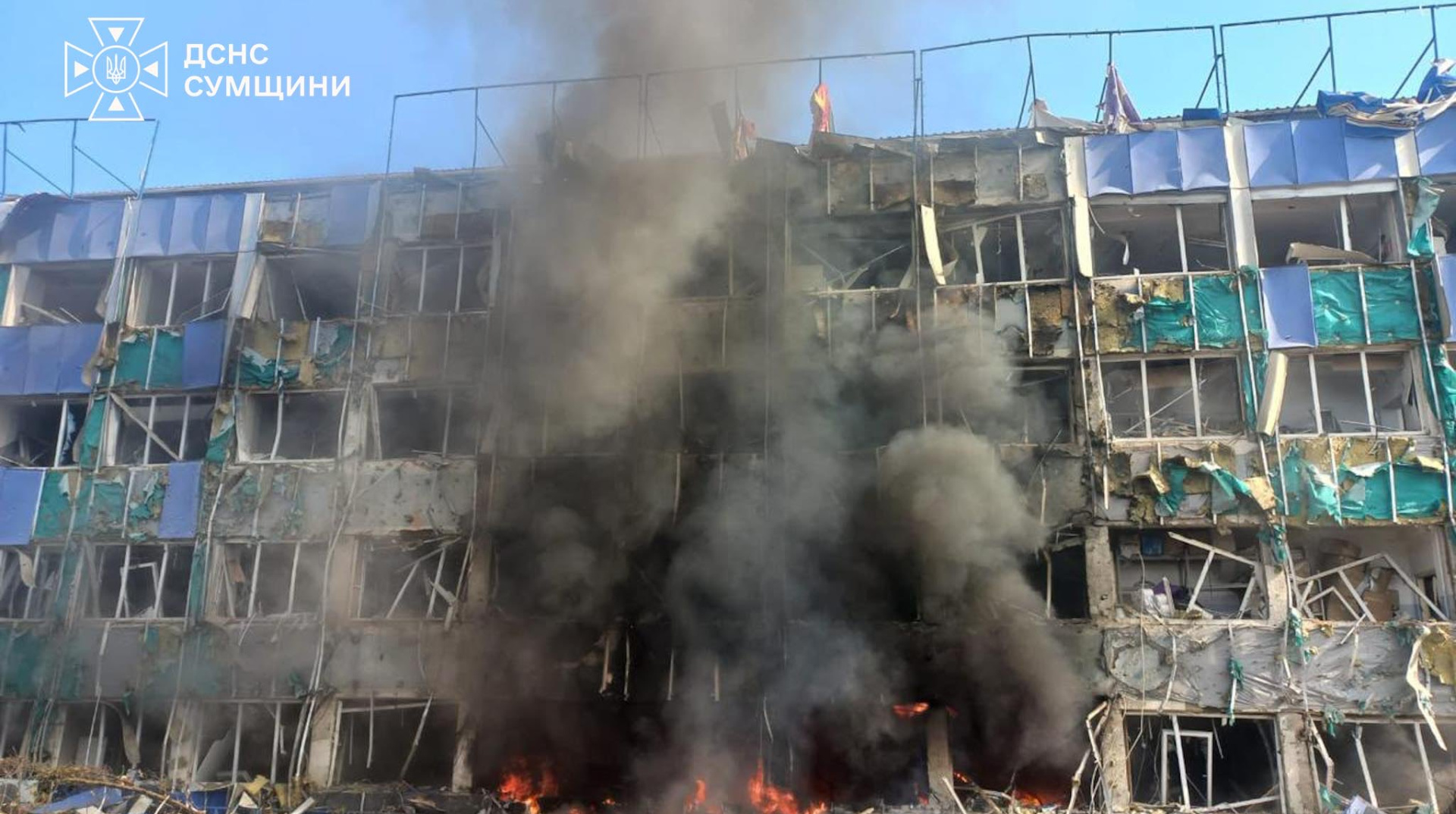
The Telegraph: Russia launches wave of sabotage attacks on European arms factories
Western intelligence sources say Russia has begun a new wave of sabotage against arms factories across Europe, recruiting local criminal gangs to maintain deniability. Attacks have hit facilities in Estonia, Czechia, Lithuania, Bulgaria and Italy.
The Telegraph, citing Western intelligence sources, reports that Russia has launched a fresh series of sabotage attacks on weapons factories across Europe while testing NATO's response, according to Ukrainska Pravda citing Yevropeiska Pravda. The operations reportedly rely on so-called "plausible deniability."
Recruitment and careful planning
According to the sources, officers from the Main Directorate of the Russian Armed Forces' General Staff recruit members of local criminal gangs in target countries, establishing contact with intermediaries via messaging apps such as Telegram. These intermediaries then distribute local tasks to recruits, who are paid in cryptocurrency and often do not even realize they are working for Russia. The attacks are deliberately calibrated to stay below the threshold that would trigger NATO's Article 5 collective defense clause.
Incidents across several countries
This week, Latvia detained three of its citizens on suspicion of setting fire to a drone factory in neighboring Estonia. The building belonging to Tallinn-based Milrem Robotics, which supplies weapons to Ukraine, was set alight on the night of 15 August. Estonian Prime Minister Kristen Michal said at the time that investigators were determining whether it was an act of sabotage and whether Russia was involved.
Earlier this year, a fire almost completely destroyed a Czech factory producing drones and thermal imaging equipment for Ukraine, with four suspects detained during the investigation. Lithuania has also filed charges against six people over an attempted arson at a factory supplying radio-wave scanners to Kyiv.
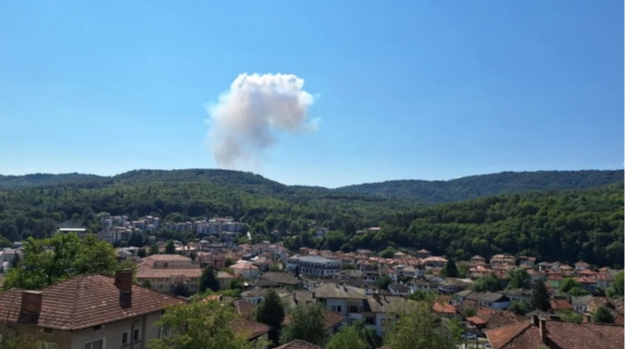
On 10 August, a powerful explosion hit the factory of Bulgarian company EMKO, one of the country's largest private arms producers, which manufactures 155mm artillery shells for Ukraine; the fire reportedly started in a truck parked near a warehouse. Three days later, a similar explosion occurred at a KNDS Ammo Italy ammunition plant near Rome, allegedly caused by an unexplained fire in a gunpowder processing section.
Italian and Bulgarian officials have sought to downplay any possible Russian involvement, but sources note Moscow rarely leaves evidence directly linking it to such attacks. Alliance officials believe the goal is to sow tension among allies — eastern NATO members such as Poland and the Baltic states have been far more outspoken in condemning Russian aggression than countries further west, such as Italy and Germany, which are reluctant to directly blame Moscow for fear of escalation.