Ombudsperson: school nurses need parental consent before giving medicine to minors
Latvia's ombudsperson Karīna Palkova has clarified that a school nurse cannot decide on her own to give medication to an underage pupil, for example one with a high fever, without first consulting the parents. From age 14, the decision can be made by the pupil themselves.
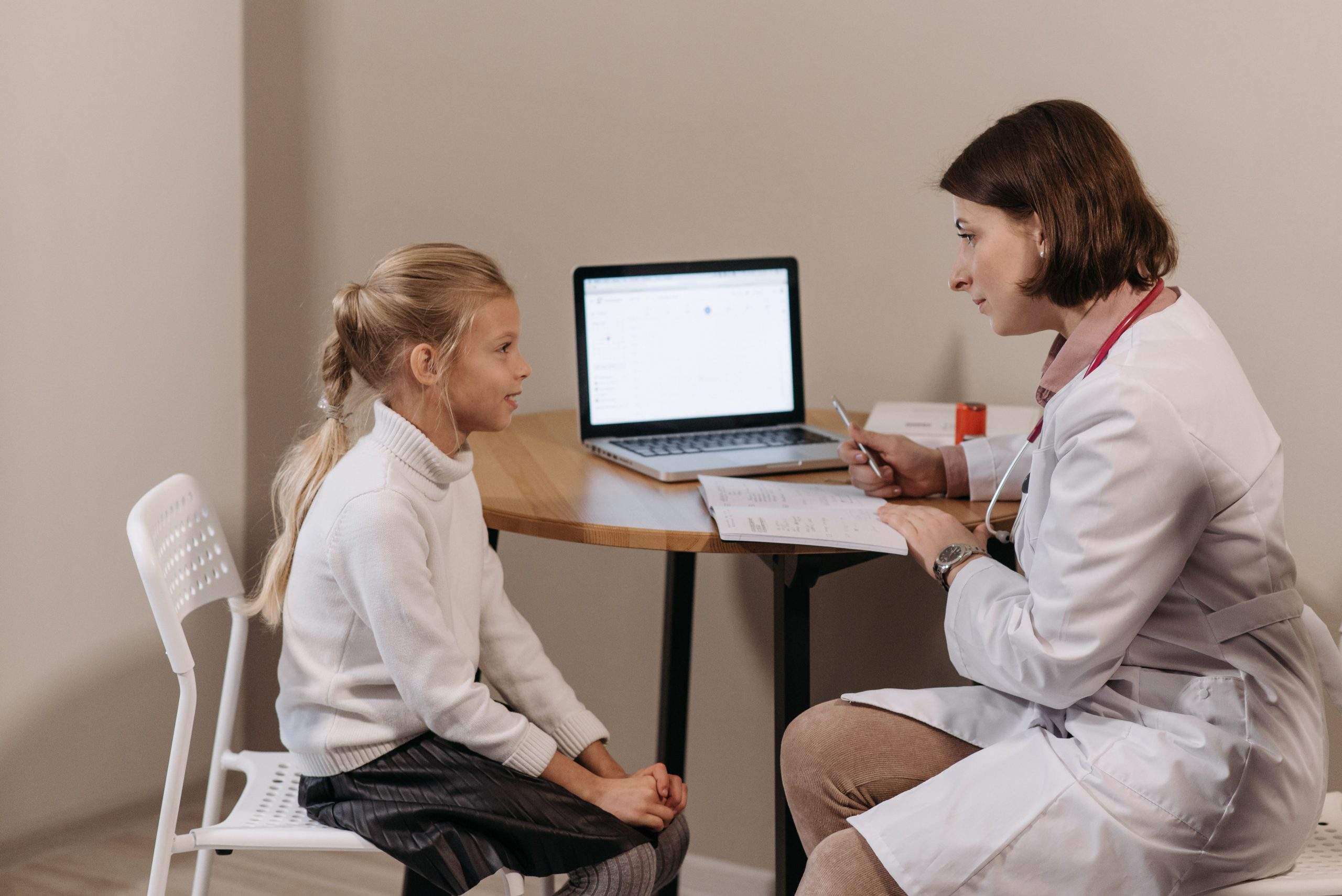
If a pupil develops a high fever at school, the school nurse is not allowed to administer medication on her own judgment without coordinating with the child's parents. This was explained by ombudsperson Karīna Palkova on the TV24 programme "Uz līnijas", where she outlined the procedure schools should follow in such situations.
According to Palkova, since the pupil is a minor, the nurse must contact the parents before deciding whether to give any medication. One reason is the possibility of allergies — parents may be aware of a child's reactions to certain drugs that school staff would not know about. Only after receiving parental consent may the nurse administer the necessary medicine.
This procedure follows from Article 13 of the Patients' Rights Law, which governs the rights of minor patients.
Different rules from age 14
Palkova explained that the situation changes once a pupil turns 14. At that point, the nurse may speak directly with the child, assuming the pupil is capable of providing information about their own health condition and making a decision about treatment. However, even in such cases, if the nurse has doubts about the child's ability to decide, it remains safer to contact the parents.
What medication should be available to nurses
The conversation also touched on what medication should be kept on hand by school nurses. Palkova noted that nurses are required to be able to provide first aid, and while she does not consider herself a medical expert on the specifics, it stands to reason that at least a minimal set of medications should be available so that this duty can be fulfilled.

/nginx/o/2026/09/06/17900970t1ha514.jpg)
