Judge blocks Trump policy that could deport researchers for content moderation work
A US federal judge has issued a preliminary injunction halting a State Department policy that authorized immigration investigations into non-citizens working in content moderation, misinformation, and trust and safety, citing a lack of clear limits.
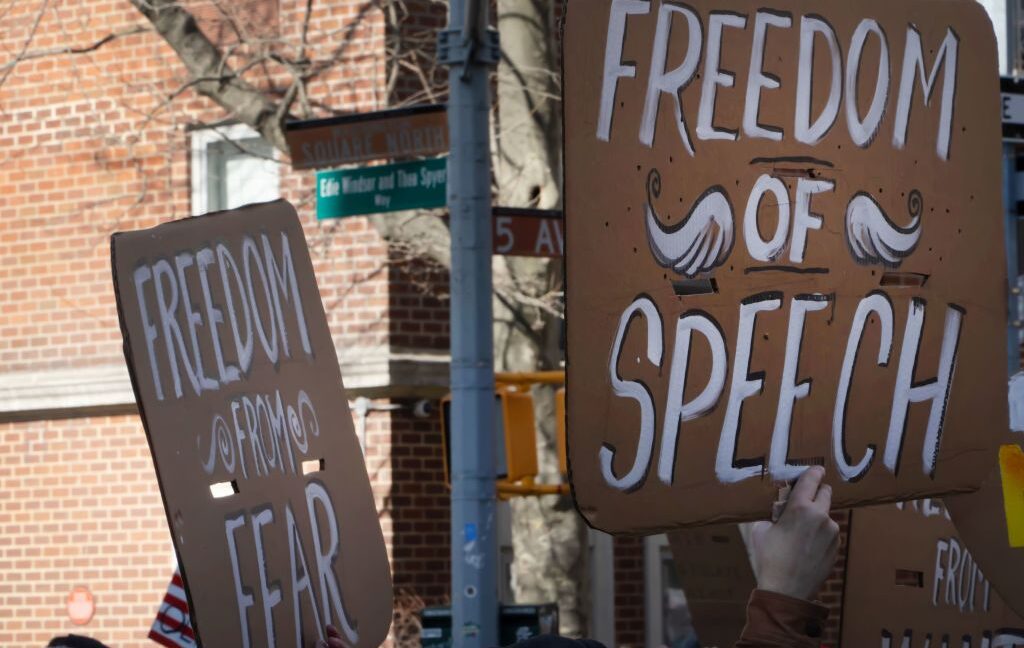
This week, the Coalition for Independent Technology Research (CITR) secured a key victory in its effort to overturn a visa-restriction policy used by the Trump administration to target non-US citizens involved in misinformation, fact-checking, content moderation, compliance, and trust and safety. In an opinion published Tuesday, US District Judge James Boasberg granted a preliminary injunction blocking the State Department from enforcing the policy until the lawsuit is resolved.
On its surface, the policy does not mandate visa denials or deportations. Instead, it authorizes immigration investigations into individuals suspected of assisting foreign adversaries in manipulating public opinion by suppressing US speech. During the litigation, the State Department failed to prove that any of the five researchers explicitly targeted under the policy had any connection to a foreign power attempting to censor Americans or manipulate US public debate. Judge Boasberg noted that without checks, the department's authority seemingly had "no clear stopping point short of the [content moderation] field itself."
The attacks on trust and safety workers just doing their jobs were particularly concerning, as Secretary of State Marco Rubio threatened that his department "stands ready and willing to expand" the list of targeted researchers, Boasberg said. This prompted the judge to pause the policy's enforcement broadly, rather than limiting the injunction to CITR members as the State Department had requested.
Boasberg explained: "A lawful permanent resident working on a platform's trust-and-safety team, a noncitizen researcher urging stronger disinformation labels, a compliance employee helping apply moderation rules, or an advocacy leader pressing advertisers away from sites that spread falsehoods could reasonably understand the policy to place their immigration status at risk—not because they wield foreign sovereign power or facilitate its censorship, but simply because they work in content moderation."
According to Boasberg, the State Department was putting "its enforcement thumb against one side of the scale" in an ongoing, heated public debate over how much content moderation is permissible before platforms cross a line into censorship. In line with President Trump's views, any noncitizen researcher who favors more moderation would seemingly be more likely to be penalized under the policy than a researcher who favors less moderation, the judge suggested.