Tilde chief: Latvia must decide whether to build AI technology or just buy it
The chair of the management board of Latvian language-technology company Tilde argues that Europe is shifting to an active AI industrial policy, while Lithuania and Estonia invest far more than Latvia. He says the government must decide how to fund Latvian firms' participation in the European IPCEI AI project.
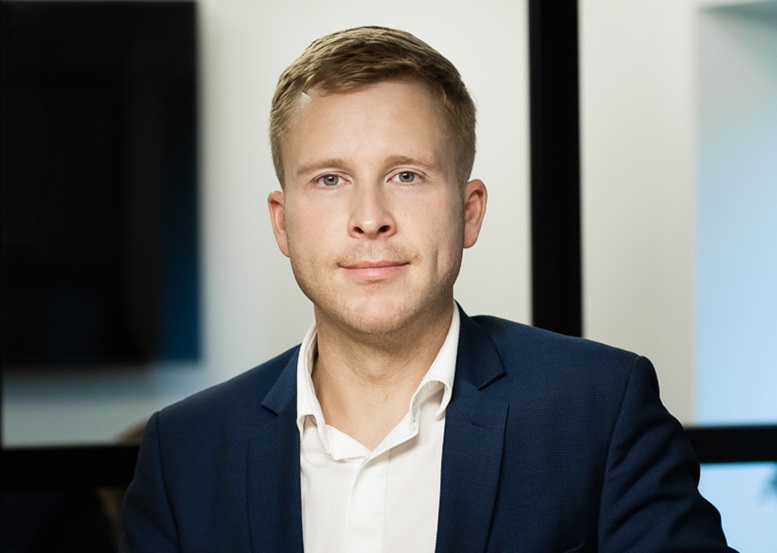
In an opinion piece in the Latvian magazine Ir, the chair of the management board of Tilde, a Latvian language-technology company, urges Latvia to decide whether it will create and export artificial intelligence (AI) technology or mainly buy it from others. The author stresses that the Baltic AI map is changing quickly and decisions are needed now. The text is the author's opinion.
Europe's shift
According to the author, Europe's attitude to AI has changed: from asking how to regulate it to asking who will build these technologies and where the economic value will remain. One trigger was Mario Draghi's report on European competitiveness, which concluded that Europe fell behind the United States in the previous digital revolution. About 70% of foundation AI models since 2017 were created in the US.
Europe's response is a more active technology and industrial policy: AI Factories, supercomputing infrastructure, joint research projects and cross-border AI value chains.
Latvia, Lithuania and Estonia
Latvia has expertise in language technology. Tilde has built a large language model tailored to European languages. Latvia has joined the European AI Factory network with the AI Factory Antenna – Latvia project, which has a budget of 8.4 million euros, including almost 4 million euros of state funding. It will provide access to Finland's LUMI infrastructure and European supercomputing resources.
Lithuania is building a full-scale LitAI AI factory worth 130 million euros. Estonia has set up a mechanism for state support to company projects under IPCEI AI; its official call says direct participants' projects typically involve at least 50 million euros in state aid. The author acknowledges the figures are not directly comparable, as Lithuania's is infrastructure and Estonia's concerns corporate projects.
The unanswered question
IPCEI AI is an initiative to build a European AI value chain, involving 19 EU member states including Latvia; 11 have announced state support for their direct participants. Latvian companies can be selected to take part, but the Ministry of Economics and the government still have to decide how much to fund their participation.
The author argues that countries that create models and products retain intellectual property, exports and highly skilled jobs, while others become buyers of technology.