US-Canada trade talks collapse as new tariffs and heated rhetoric follow
Trade negotiations between the US and Canada broke down without an agreement, triggering new tariffs on both sides and sharp rhetoric from President Trump. American consumers are now beginning to feel the effects through rising prices.
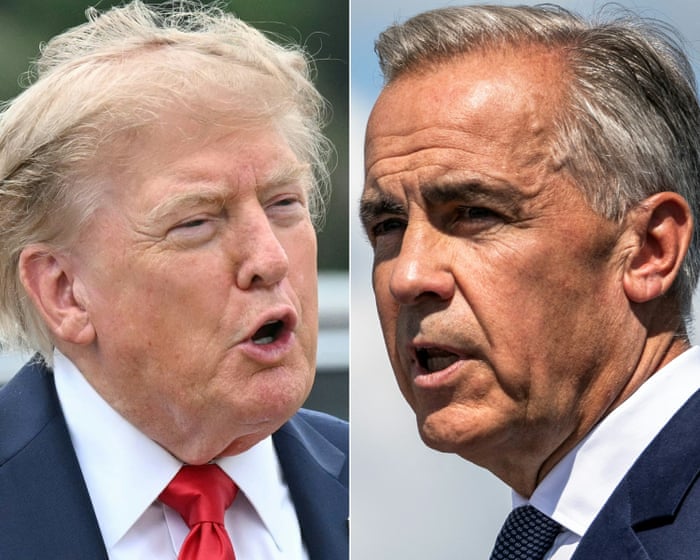
Trade talks between the United States and Canada collapsed this week without reaching an agreement, despite President Donald Trump claiming just days earlier that a deal was imminent. Canada said the negotiations fell apart because of unreasonable, last-minute demands from the US side.
As a result, new US tariffs took effect on Saturday, covering a range of Canadian exports including hockey sticks and tongue depressors. Trump had been pushing for more favorable terms on steel and aluminum, but Canada did not yield to the pressure.
Canadian Prime Minister Mark Carney said the country had been "attacked" and announced retaliatory tariffs on roughly $20bn worth of US goods, including steel, dairy products, appliances and farm equipment.
American consumers feel the pinch
The dispute is already pushing up prices for US consumers on various products, including toilet paper. The US accounts for more than 20% of global tissue consumption despite having only about 4% of the world's population. While much of this paper is produced domestically, manufacturers rely heavily on Canadian timber as a raw material.
Trump reacted sharply to Canada's retaliation, saying the US is giving serious consideration to renaming Lake Ontario to "Lake America," claiming the country no longer expects to do much business with the province of Ontario. He also called Canadian negotiators "clowns" and criticized Ontario Premier Doug Ford.
Meanwhile, US Vice President JD Vance, speaking at a Republican rally, described Canada and China as the two worst countries in the world on trade policy, and claimed Canada would be vulnerable to invasion by a foreign power without US military protection.