Tomato grower shares tips for extending harvest season and preventing fruit cracking
An experienced tomato collector shares practical advice on prolonging the harvest, preventing disease and properly saving seeds for next season. She grows around 100 tomato varieties and prefers heirloom varieties over hybrids.
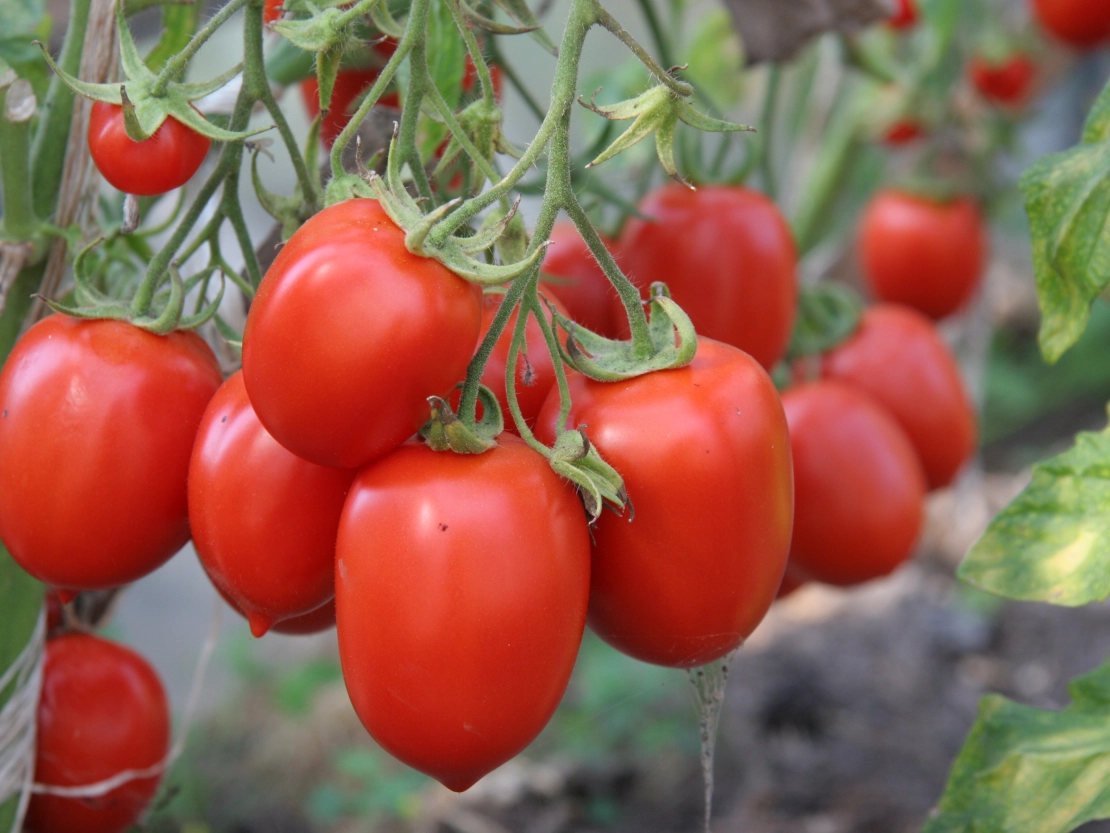
August is when most tomato growers celebrate a ripened harvest, but proper plant care is key to keeping that harvest going as long as possible. A tomato collector who grows around 100 varieties in her greenhouse and garden shares her advice, explaining she prefers open-pollinated varieties over hybrids, since seeds saved from hybrids won't reliably produce plants with the same traits next year.
Spraying and watering
To extend the fruiting period and prevent flowers from dropping, she recommends misting plants several times per season with a cooled boric acid solution dissolved in hot water, applied three times as each successive flower cluster opens. Keeping the greenhouse from becoming too humid is essential, so watering should be done only in the morning, with regular ventilation — evening watering causes condensation to form on the ceiling and drip onto leaves, damaging them. Gently shaking the plants in the morning helps pollination, since pollen forms overnight and is most viable early in the day.
Why fruit cracks
Cracking is usually caused by a large temperature swing between cool nights and hot days inside the greenhouse, as well as uneven soil moisture, when fruit swells faster after watering than its skin can stretch. If nighttime temperatures stay above 15–16°C, the greenhouse can be left open overnight.
Feeding and soil care
Leaves reveal nutrient deficiencies — tomatoes need magnesium, potassium and calcium most. Besides mineral fertilizers, growers can use nettle liquid, garlic or onion extract, bread kvass, or fish meal. After the season ends, working marigold, calendula or nettle stems into the soil helps disinfect it.
Saving seeds and planting
For seeds, healthy fruit from the second or third cluster works best; the seeds are left in their liquid for two days, then dried and stored in a dry, dark place. Greenhouse tomatoes are sown around March 20, and transplanted once the soil warms to 15–16°C.
/nginx/o/2026/09/22/17931856t1hb03a.jpg)
/nginx/o/2026/07/10/17774026t1h642b.jpg)