Trump revives Cold War rhetoric with warnings of 'communist menace'
Donald Trump is using Cold War-era language in his speeches, claiming that communism is rising again in the US, fueled by the Democratic Socialists. Experts say the rhetoric mainly resonates with older voters, while younger generations see it as less of a threat.
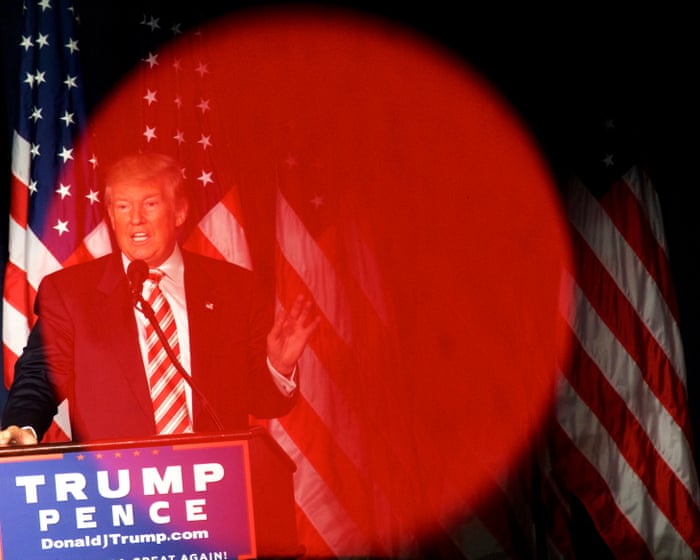
Former US President Donald Trump has returned to Cold War tropes, warning in his speeches about a rising 'communist menace' in America. The theme was prominent in his July 3 address at Mount Rushmore, on the eve of the US's 250th birthday, where he vowed to 'vanquish communists quickly' and 'send them into exile.'
The claims are bolstered by a new 100-page State Department report titled 'Cuba: The Capital of 21st Century Communism,' which alleges that the Cuban regime has 'infiltrated' the highest reaches of the US government.
Trump's rhetoric coincides with recent victories by candidates endorsed by the Democratic Socialists of America (DSA), including Zohran Mamdani's election as New York City mayor and Darializa Avila Chevalier's defeat of veteran Representative Adriano Espaillat. Chevalier faced scrutiny over deleted tweets praising Marxist ideology and historical communist figures like Vladimir Lenin.
Democrats and liberal commentators mock Trump's conflation of socialism, practiced in many European nations, with Soviet-style communism. Alexandria Ocasio-Cortez, a DSA member, called the communist label 'very silly.'
Historian Harvey Klehr of Emory University notes that the DSA does have a 'very significant communist component,' as its founding ban on 'democratic centralist' organizations has been lifted, allowing open Marxist-Leninists to join. However, Brookings Institution expert Bill Galston argues that the communist threat resonates mainly with Trump's base—older Americans who remember the Cold War. According to an Economist/YouGov poll, only 18% of Americans see communism as a 'major threat,' while 33% say it is 'not a threat.'