Trump imposes drone tariffs of up to 100%, with lower rates for EU and UK
US President Donald Trump has signed an order imposing tariffs on imported drones, reaching 100% for heavy or advanced models, while EU producers face 15% and UK drones 10%. The move, citing national security, aims to encourage domestic production.
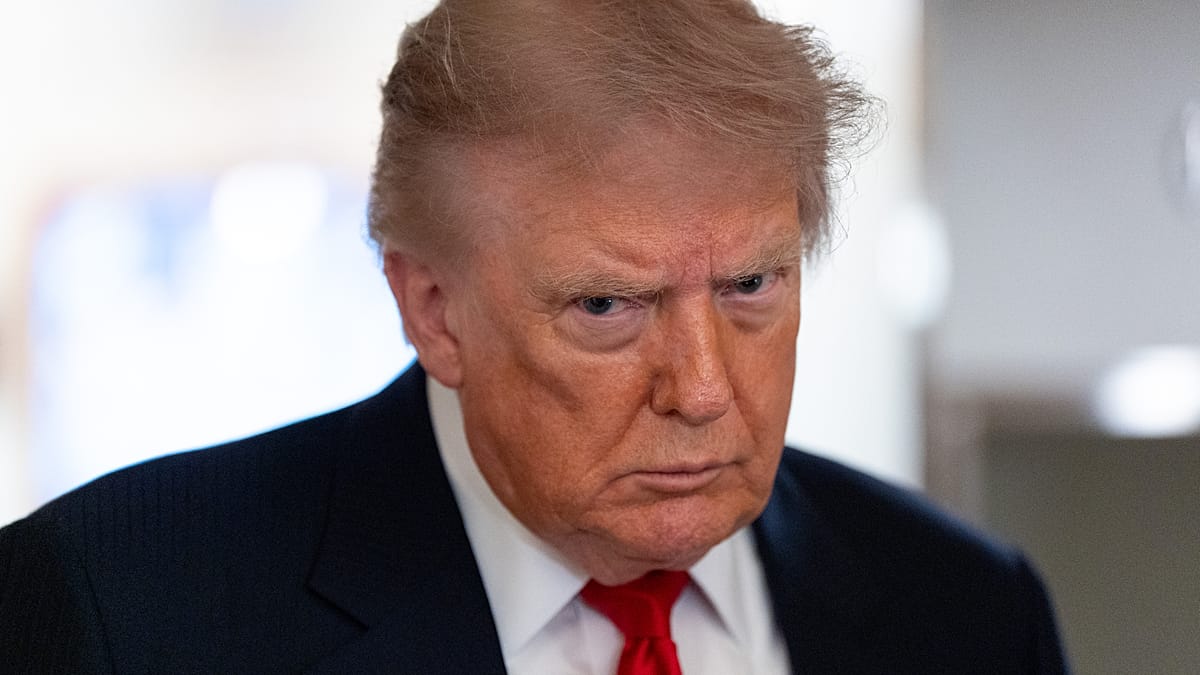
US President Donald Trump on Thursday signed an order imposing tariffs on imported drones, with rates reaching 100%. European producers are spared the highest rate: drones from the EU will be taxed 15%, and British models 10%. Washington argues the US can no longer depend on foreign factories for a weapon central to modern warfare. The tariffs are based on Section 232, the national security provision previously used for steel, aluminium, copper, cars and pharmaceuticals.
The 100% rate applies to drones over 25 kg at take-off or with thermal imaging, plus docking stations and critical components. Smaller models and other parts face 25%. The 15% band covers the EU, Japan, South Korea, Switzerland, Liechtenstein and Taiwan, with the UK alone at 10%.
Origin requirements are the key catch
To qualify for the lower rate, all of a drone's hardware, software and technology must substantially originate in those countries or the US. That is a challenge for European manufacturers, who often buy motors, batteries, cameras and flight controllers from Chinese suppliers. Failing the test means the drone falls into the 25% or 100% category.
The tariffs take effect after 21 days, or 180 days for less sensitive components. The Commerce Secretary must design a programme rewarding companies that move production onshore.
European exposure
Europe's drone industry is among the fastest-growing tech sectors, with the US as a key market. France's Parrot is most exposed, as its ANAFI range is certified under US defence procurement rules and is the default non-Chinese option for Western police and security forces. Germany's Quantum Systems, valued above €1bn, sells to American customers, and Portugal's Tekever, worth over €1.1bn, has been expanding into the US. Some firms already have US production, so the tariff accelerates their plans.
Part of a wider military overhaul
The drone order is part of a broader defence push. The same day, Trump signed a memorandum for a fifth naval shipyard, the first in 80 years, and ordered the navy to return to steam catapults on new carriers. US media reported a confrontation between Trump and Defense Secretary Pete Hegseth over depleted munitions stocks, which the White House denies. The proposed defence budget for next year is about $1.5 trillion.