Trump Says Renewed War With Iran Unlikely if Talks Make Progress
US President Donald Trump told CNN that resuming hostilities with Iran is very unlikely if negotiations make progress. Iranian Foreign Minister Abbas Araghchi said peace talks are on hold while Tehran assesses the political fallout of the US elections.
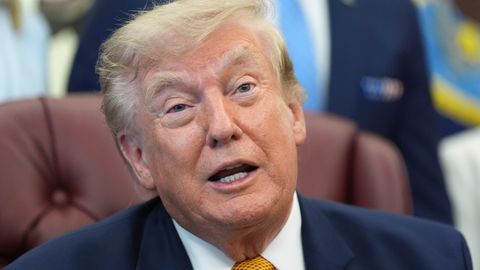
US President Donald Trump said in a CNN interview on Sunday, 8 November, that resuming military action against Iran is "very unlikely" if negotiations make progress. Meanwhile, Iranian Foreign Minister Abbas Araghchi said peace talks have been suspended as Tehran weighs the results of the US midterm elections. The war between the two countries affects both regional security and oil supplies.
Over recent weeks Trump had threatened to resume strikes, and US media had suggested that fighting could restart after Tuesday's midterm elections. In the interview he said it would most likely not be necessary, but that he would restart hostilities if needed. The president stressed that the US had hit Iran "really hard" and said the decision would depend on whether Iran signs a "very strong agreement".
Pressure on Iran
Trump argued that economic conditions would push Iran toward a deal, citing inflation of 301% this year. He said Iran is "collapsing financially" and has been militarily wounded by the US. In his view, this will force Iranian leaders to accept a peace agreement on US terms.
Iran's position
Araghchi told state television that mediators had not travelled in recent days. He cited the shock that the US election results caused for everyone, as the Democratic Party won decisively. According to him, Iran now has to see how long it takes the US to digest the results and decide how to proceed.
Trump had previously acknowledged that the extremely unpopular war against Iran was at least partly to blame for the heavy defeat of his Republican Party in the vote.
Strait of Hormuz
Iran continues to block traffic through the strategically important Strait of Hormuz at least in part. This has restricted oil supplies from the Persian Gulf and pushed up petrol prices in the US, which adds to the war's unpopularity.