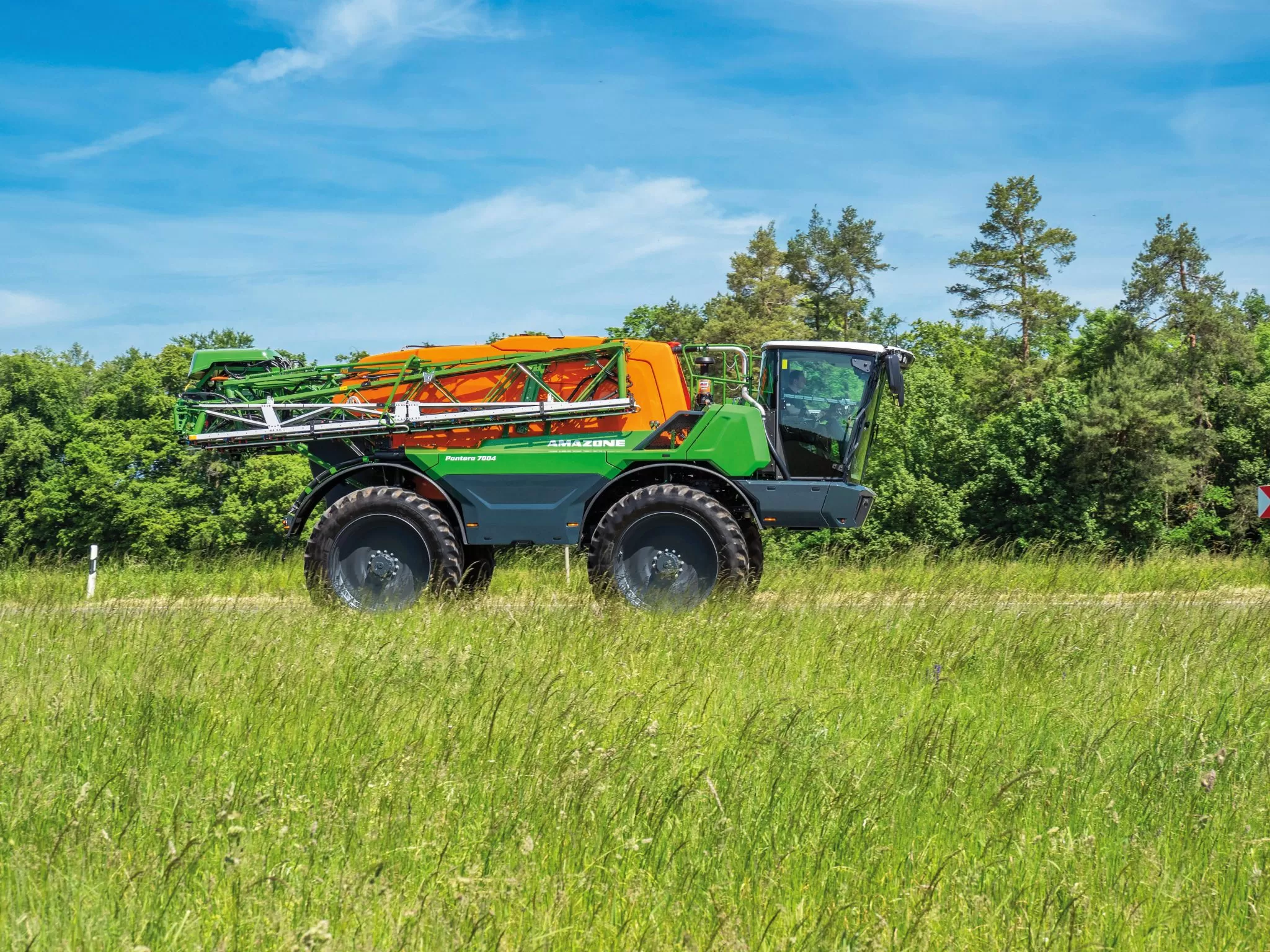
Three farmer-made solutions: a fleece reel, a soil sampling aid and an air vent for water tanks
The Polish farming magazine top agrar Polska, in its 11/2026 issue, presents three farmer-devised aids: a reel for agrotextile and drip tape, a soil sampling tool and an air vent for water tanks.
The Polish farming magazine top agrar Polska has described three homemade aids devised by farmers in its 11/2026 issue. They are meant to make everyday farm work easier: reeling in agrotextile and tapes, taking soil samples and venting water tanks.
Reel for agrotextile and drip tape
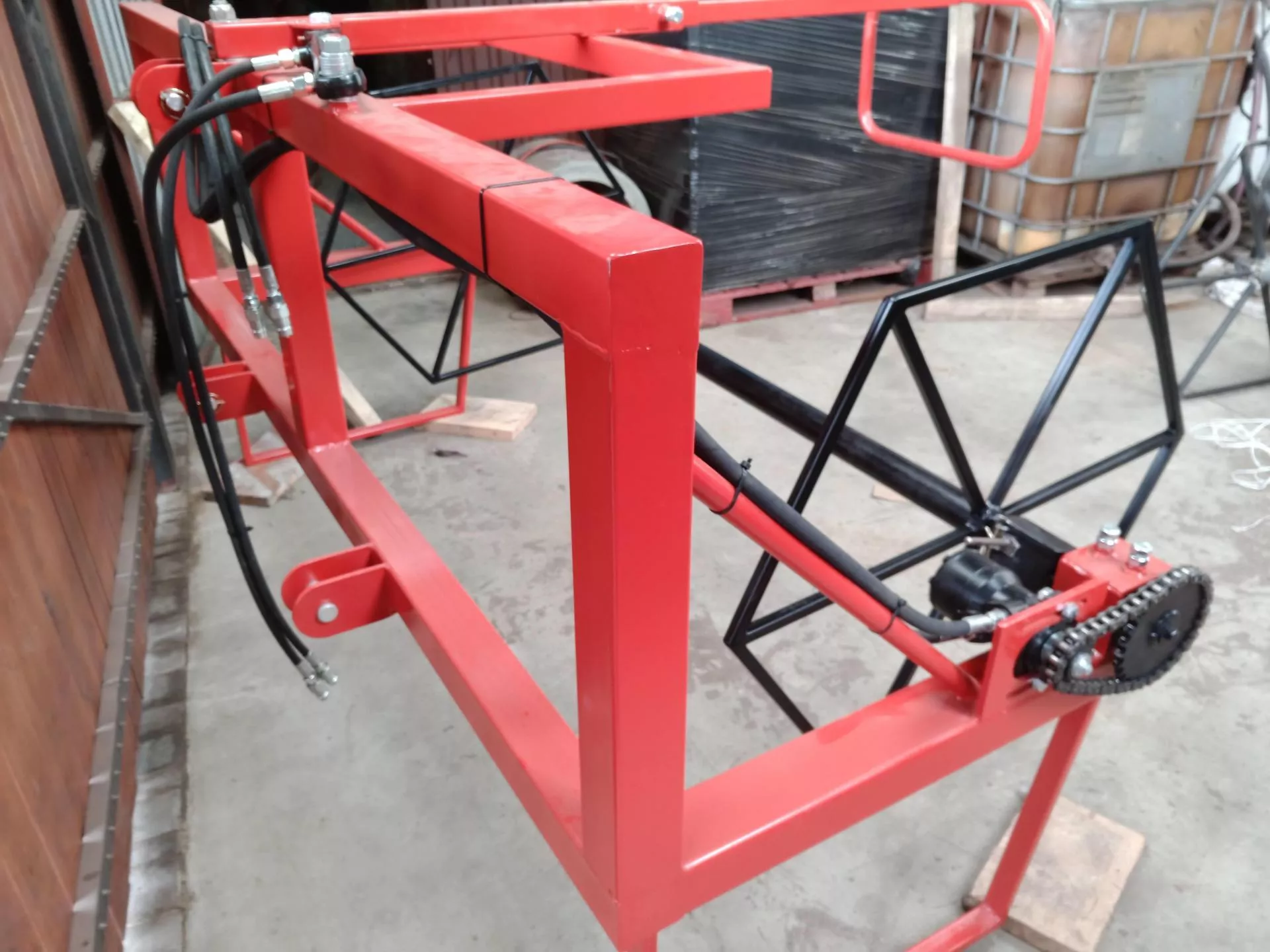
Agrotextile (agrofleece) is essential in open-field vegetable production, but removing it is a problem once the vegetables reach the right stage of development. A reader built a reel that mounts on the tractor's three-point linkage. After the mounts are changed, it can also work on a loader or front loader.
The frame is made of 80 × 80 × 4 mm profile, and the interchangeable spools are made of 60 mm diameter pipe. The side guards are made of 20 × 20 × 2 mm profile. A short piece of square profile is welded to one end of the spool and slides onto the drive unit, while the other end sits in a gap between bearings. A hydraulic motor with a chain drive turns the spool. The device is also used for drip tapes, which end up neatly wound and stored for the next crop.
Soil sampling
Autumn is a good time to take soil samples in order to prepare nutrient maps for spring crops. The soil is often very wet at this time, which makes it hard to remove from the Egner sampling probe, especially on heavy soils.
The solution needs a clean plant protection product container and a nail. A section with the cap is cut out of the container, and a nail is driven into its handle to scrape the soil off the probe. After several samples, the soil is poured into the container and delivered to an agrochemical station.
Air vent for water tanks
The farmer uses mauser-type tanks in spring and summer as a water source for drinking troughs on pasture. Not all tank lids have removable plugs for fitting pumps, so an air vent is needed while the tank is emptied. Leaving the lid off creates a high risk of contamination.
The farmer drilled holes in the lids and glued cut-off PET bottle ends into them with silicone. When the tank is on the pasture, the risk of contaminants getting inside is much lower.