Three wild dog brothers complete Africa's longest recorded mammal journey
Three endangered African wild dog brothers travelled more than 2,500 miles across Zambia over eight months in search of new territory, setting a record for the longest single journey by any mammal on the continent. Researchers say the feat highlights both the value and the danger of remaining wildlife corridors.
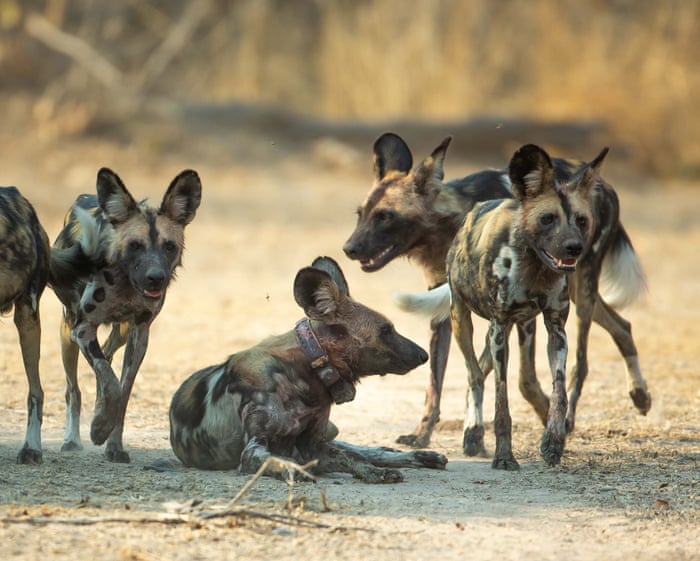
Three brothers from Zambia's endangered African wild dog population have completed the longest single journey ever recorded for a mammal in Africa, travelling more than 2,500 miles (4,100km) over eight months last year. The trek was part of a natural process called dispersal, in which young dogs leave their birth pack once mature to search for a new territory and eventually a mate.
The brothers began their journey in Kafue National Park in western Zambia and ended it in the Luangwa Valley in the east. Measured point to point, the distance covered was 340 miles (546km), also a record. The previous record of 2,418 miles was set by other African wild dogs that moved between northern Tanzania and southern Kenya in 2012.
Scientists from the Zambian Carnivore Programme, who were tracking 19 separate wild dog groups, also monitored the brothers' sisters during their own dispersal. The sisters fared far worse, with two believed to have died in poachers' snares. Before that, however, the siblings had an unexpected reunion in Zambia's copper-belt mining region, spending a day together before parting ways again, since related dogs do not form new packs together.
A species under threat
Only around 6,600 adult African wild dogs remain across 39 distinct populations, and the species is classified as endangered. Habitat loss, declining prey numbers, snares set for bushmeat hunting, and conflict with humans are among the biggest threats to their survival.
Researchers say the brothers' journey demonstrates that natural connections between Africa's wildlife strongholds still exist, even as such journeys grow increasingly dangerous. They argue the findings support greater investment in maintaining connected landscapes across parks, community areas and national borders, rather than relying solely on fenced protected areas, to give species like wild dogs a better chance of long-term survival.