Noise-cancelling headphones: the trade-offs worth knowing
Active noise cancellation has become a standard headphone feature, but alongside its clear benefits come several drawbacks users should understand.
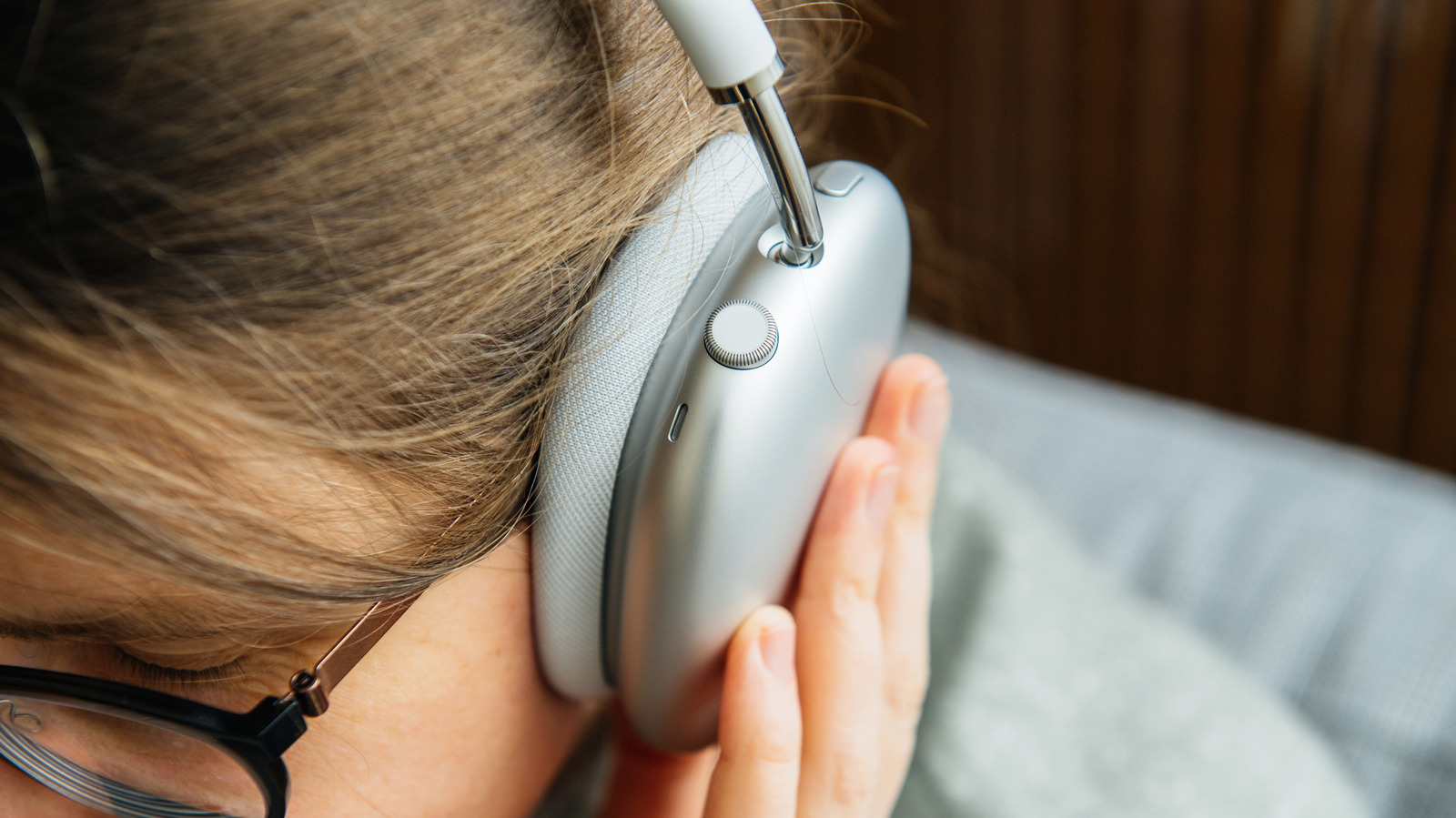
Headphones with active noise cancellation (ANC), such as the AirPods Pro 3, have become commonplace for commuting, working, exercising and more. These devices use multiple built-in microphones that constantly pick up ambient sound. The technology relies on destructive interference: microphones capture outside noise, and a powerful onboard chip calculates and plays an inverted sound wave within milliseconds to cancel it out. This process requires significant processing power, which is why ANC headphones tend to cost more than models relying solely on passive noise isolation.
Benefits
ANC makes a noticeable difference in noisy environments, particularly on long flights, since users no longer need to raise volume to overcome background noise — reducing the risk of hearing damage. Phone calls also become clearer, and the feature helps people who need silence to concentrate or who are sensitive to external stimuli. Some even use ANC earbuds while sleeping.
Drawbacks
ANC works best against steady, low-frequency noise like engine hums or air conditioners, but is less effective against sudden loud sounds such as horns or shouting. In some cases it can reduce audio quality, and some users report ear discomfort. A more significant concern is over-isolation from one's surroundings, which can be risky in situations requiring awareness, such as crossing a street or cycling. Holding conversations with people nearby also becomes harder. Some studies suggest ANC may even affect how the brain filters background noise over time. This is why many headphones include a hybrid mode, such as Apple's Transparency Mode, blending noise cancellation with outside sound. Additionally, using ANC drains battery life considerably faster than leaving it off.