Trump pauses 50% Canada tariffs, floats reviving Keystone XL pipeline
The US and Canada agreed late Tuesday to a three-day pause on planned 50% tariffs while a trade deal is finalized, with Trump also suggesting the long-dormant Keystone XL oil pipeline project could be revived.
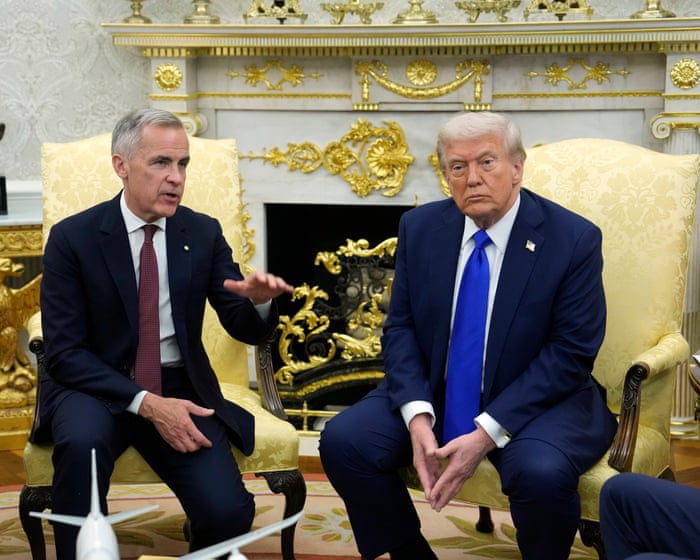
US President Donald Trump announced a three-day pause on planned 50% tariffs against Canadian goods, saying the two countries had reached a deal pending finalization of documents. The announcement came via social media just hours before the tariffs, which would have hit roughly $20bn worth of goods including wine and hockey sticks, were due to take effect.
Canadian Prime Minister Mark Carney said after Trump's post that "substantial progress" had been made toward a trade agreement, though more work remained. In the days before the deal, top officials from both countries held what Carney described on Monday as "intense and delicate" talks.
In the same post, Trump said the controversial Keystone XL oil pipeline project "may be awoken from the grave," without offering details or clarifying whether it was connected to the tariff negotiations.
Keystone XL's troubled history
First proposed in 2008, Keystone XL was designed to carry oil from Canada's western tar sands to US refiners. Owner TC Energy halted the 1,200-mile (1,930km) project in 2021 after President Joe Biden revoked a key permit for its US segment. The pipeline became a persistent flashpoint in US-Canada relations, facing opposition from US landowners, Native American tribes and environmental groups.
A strained year
Tuesday's last-minute agreement follows a difficult year for the two countries, marked by retaliatory tariffs and heated exchanges, including Trump musing about turning Canada into a US state. In February 2025, the White House imposed a 25% tariff on Canada, citing insufficient progress on curbing illegal immigration and drug trafficking. Canada responded with a reciprocal tariff, calling the US move unwarranted. Tensions rose again in July 2026 when the White House announced the 50% tariffs, citing discrimination against US-made cars, alcohol and dairy products.
The two countries traded roughly $909bn in goods in 2024. Canadian business owners have expressed concern over the financial toll the tariffs could inflict, according to CBC.