Tubulin may prevent toxic protein clumps linked to Alzheimer's and Parkinson's
Researchers at Baylor College of Medicine found that tubulin, a protein that forms microtubules, can steer Tau and alpha-synuclein toward healthy activity instead of forming harmful aggregates associated with neurodegenerative diseases.
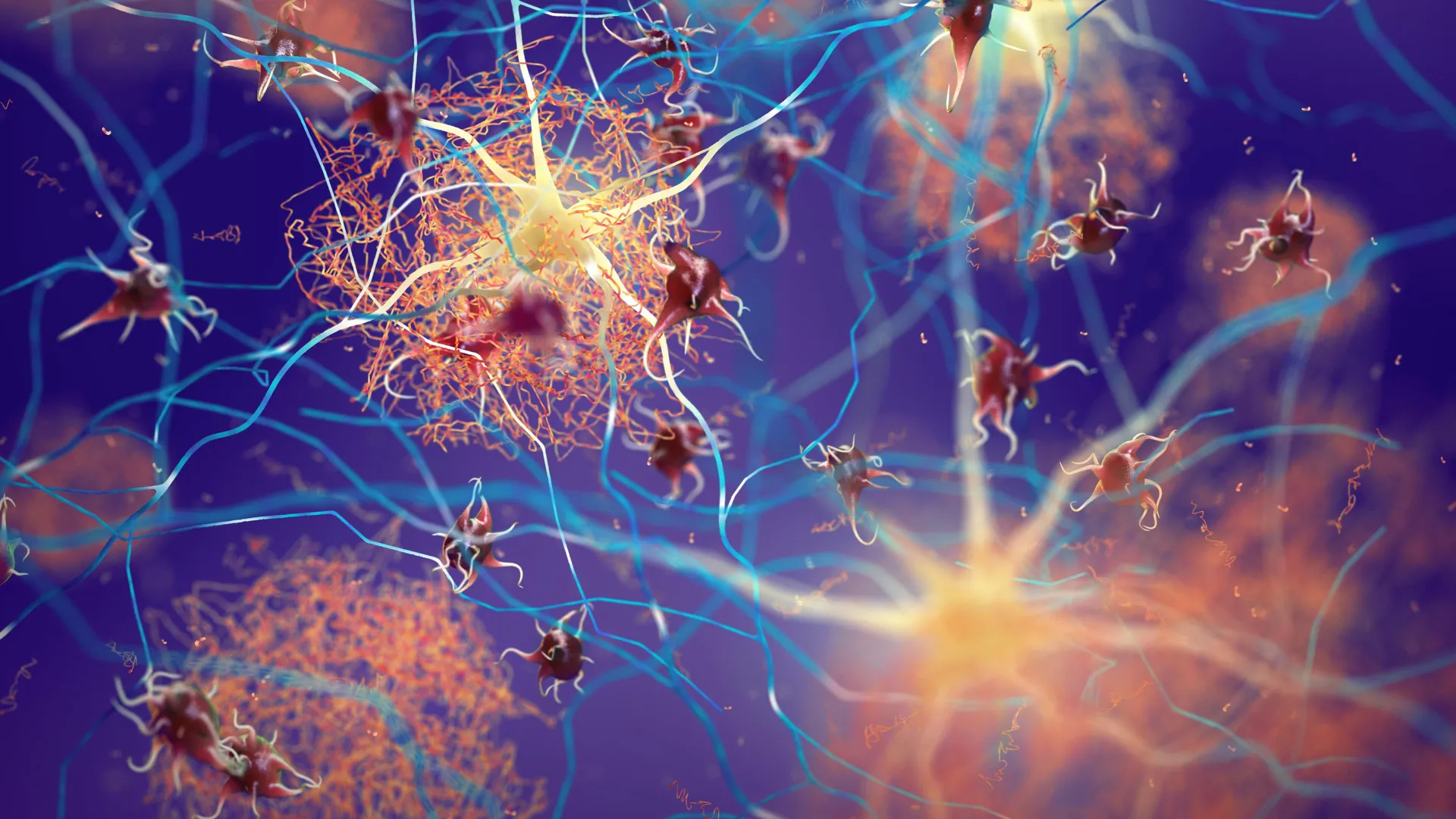
A study published in Nature Communications reveals a potential new strategy for tackling Alzheimer's and Parkinson's diseases. Both conditions are characterized by toxic clumps of Tau and alpha-synuclein proteins in the brain. However, these proteins also perform essential roles in healthy neurons, such as maintaining cell structure and supporting communication via microtubules.
The research team, led by Dr. Allan Ferreon and Dr. Lathan Lucas, investigated whether tubulin—the building block of microtubules—could influence the behavior of these proteins. Microtubules act as the cell's internal railway tracks, transporting materials and maintaining structure. Using biochemical and biophysical methods, high-resolution microscopy, and neuron-based assays, they found that tubulin can prevent Tau and alpha-synuclein from forming harmful aggregates within cellular droplets called condensates.
Instead of blocking condensate formation (which also disrupts normal function), the scientists discovered that tubulin redirects the proteins toward building healthy microtubules. As Dr. Lucas explained, it's like keeping troublemakers busy with productive activities rather than leaving them idle. When tubulin levels are low, as seen in Alzheimer's, microtubules are scarce and toxic aggregates form. But with sufficient tubulin, the proteins shift to a beneficial pathway.
This finding reframes tubulin from a passive victim of neurodegeneration to an active protector. Boosting tubulin levels could curb toxic aggregation while preserving the healthy roles of Tau and alpha-synuclein, offering a selective therapeutic approach. The study was supported by grants from the National Institutes of Health and the Welch Foundation.