Waterproof Mascara Contains PFAS: What Is Known About Kidney Effects
Waterproof cosmetics, including mascara, may contain PFAS, or "forever chemicals", which are linked to health risks, including reduced kidney function. Experts advise checking ingredient lists and choosing products free of these substances.
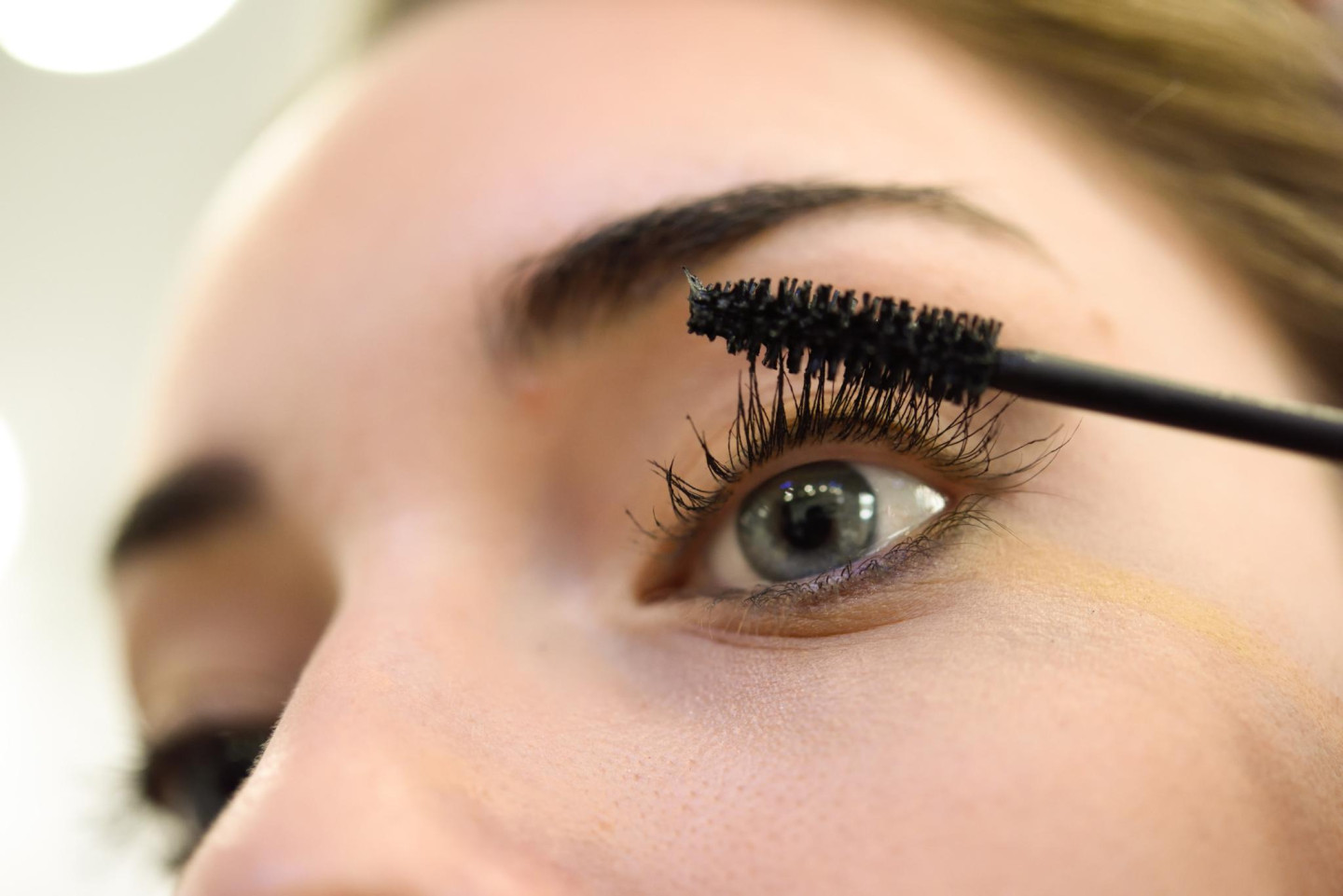
Waterproof mascara and other cosmetics may contain PFAS — per- and polyfluoroalkyl substances, known as "forever chemicals". The Russian-language portal DoctorPiter reports this, citing experts. The substances are linked to several health risks, including reduced kidney function, so specialists advise choosing cosmetics more carefully.
What PFAS are
PFAS are a group of roughly 9,000 substances. Their chemical bonds are so strong that they do not break down in the environment and persist for a very long time, which gave rise to the name. PFAS repel water and grease and keep their structure at high temperatures, so since the 1940s they have been used in paper cups, baking paper, paints, varnishes, water-repellent fabrics, carpets, toys and cosmetics. The substances drew wider attention in 2000, after a scandal over the pollution of US rivers with waste from the company DuPont.
Research in the United States indicates that PFAS are present in the air in schools, shops and homes, while water contamination is very widespread. The source also mentions a serious case of poisoning via drinking water in Italy in 2013. No single law bans these substances; there are only recommendations restricting two compounds, perfluorooctanoic acid and perfluorooctane sulfonic acid.
Health risks
Frequent PFAS exposure is said to raise the risk of thyroid, liver and kidney disease, as well as Alzheimer's disease. The substances may cause infertility, fetal developmental disorders, allergic reactions, a weakened immune system and ulcerative colitis, and may contribute to cancer. When waterproof mascara is used, PFAS enter the body through the mucous membranes of the eyes and the tear ducts.
In 2024, American scientists followed 78 young people for four years. They found increased creatinine levels in the blood — one of the key indicators of kidney function — while kidney function fell by about 2.4%. However, exposure to PFAS from water and air may be considerably greater than from cosmetics.
How to reduce exposure
Experts recommend checking the ingredients before buying mascara — PFAS-free products are available — or choosing non-waterproof cosmetics. They also suggest avoiding disposable tableware and plastic film, wearing water-repellent clothing less often, getting rid of non-stick cookware and reading product labels.
The source notes that data on the negative effects of PFAS remain scarce, while detecting and removing the substances is difficult and expensive. One proposed solution is to require manufacturers to disclose the presence of PFAS in their products.