Ukraine braces for winter amid energy crisis and rift with the US
Ukraine is entering winter in a severe energy crisis, worsened by Russian strikes and friction with the administration of US President Donald Trump. Kyiv is preparing backup heating and supplies, and on 15 October decided to resume strikes on Russian oil refineries.

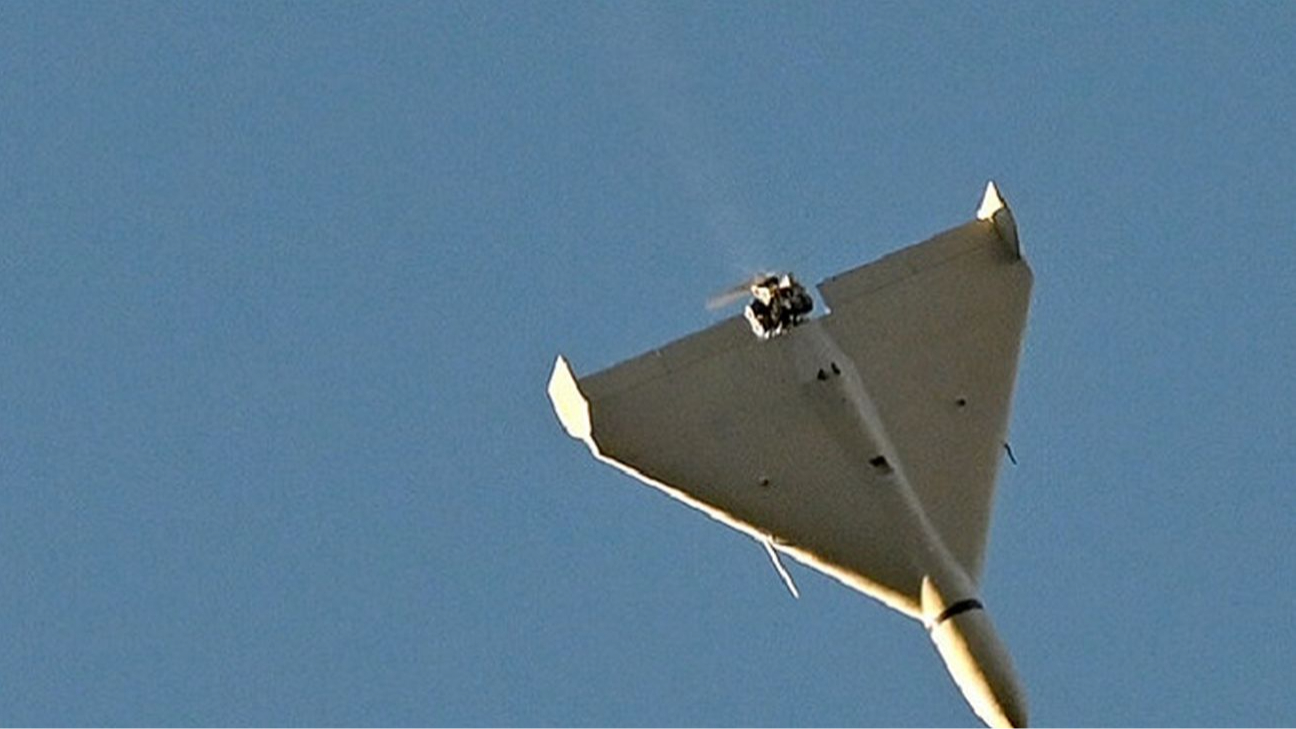
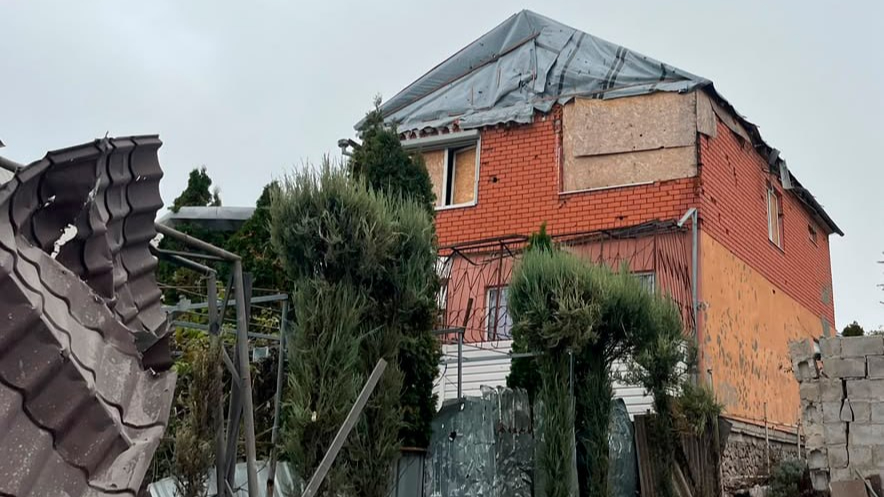
Ukraine is heading into the cold season amid a severe energy crisis, while relations with its key ally, the United States, are growing strained. Russian attacks repeatedly leave Kyiv without electricity and water for long periods, and residents fear heating outages will follow once temperatures drop. Kyiv resident Kateryna has packed her belongings and is ready to move to her mother's village if things worsen; the home there has gas, stove heating and a well.
The city is preparing backup heating and stocks of fuel, food and drinking water. Yet this may not be enough if Ukrainian air defences cannot repel Russian attacks. Andrian Prokip, director of the energy programme at the Institute of the Future, said Kyiv has always had an electricity shortage, which has now deepened, making the capital more dependent on supplies from the unified power grid. In his words, the strikes target substations, high-voltage lines and hubs linking Kyiv to other regions, and the goal is a blackout in the city.
Trump's statements and eased sanctions
On 11 October, Trump announced on his social network Truth Social an energy truce: Kyiv would not hit Russian oil refineries, and Moscow would not strike Ukrainian energy infrastructure. Russian attacks nonetheless continued, while Ukraine hit Yandex data centres in Russia and other targets. Trump again criticised Ukrainian President Volodymyr Zelensky and demanded elections. Zelensky replied that elections could be held if Russia agreed to a full 60-day ceasefire.
Trump claimed that rising fuel prices result from Ukrainian strikes on Russian refineries rather than the war with Iran. The US has temporarily eased sanctions on Russian fuel exports to increase diesel supply on the world market. Experts doubt the deal will work, and Italian Prime Minister Giorgia Meloni called the decision very risky. Kremlin spokesman Dmitry Peskov described the arrangement as mutually beneficial.
Starlink and intelligence
Kyiv reported that for two nights in a row it did not receive the usual warnings about ballistic missile strikes. NATO Secretary General Mark Rutte said in Tallinn that intelligence sharing continues. SpaceX has restricted Starlink terminals used by the Ukrainian military; Elon Musk said the US government decides restrictions on the military Starshield version. There is no independent confirmation that this is political pressure on Kyiv.