Starlink service in Ukraine fully restored, defence minister confirms
Ukraine's Defence Minister Yevhenii Khmara has said that the Starlink satellite communication system and its military version Starshield are working normally again. Restrictions affecting fast-moving devices had been in place since mid-October.
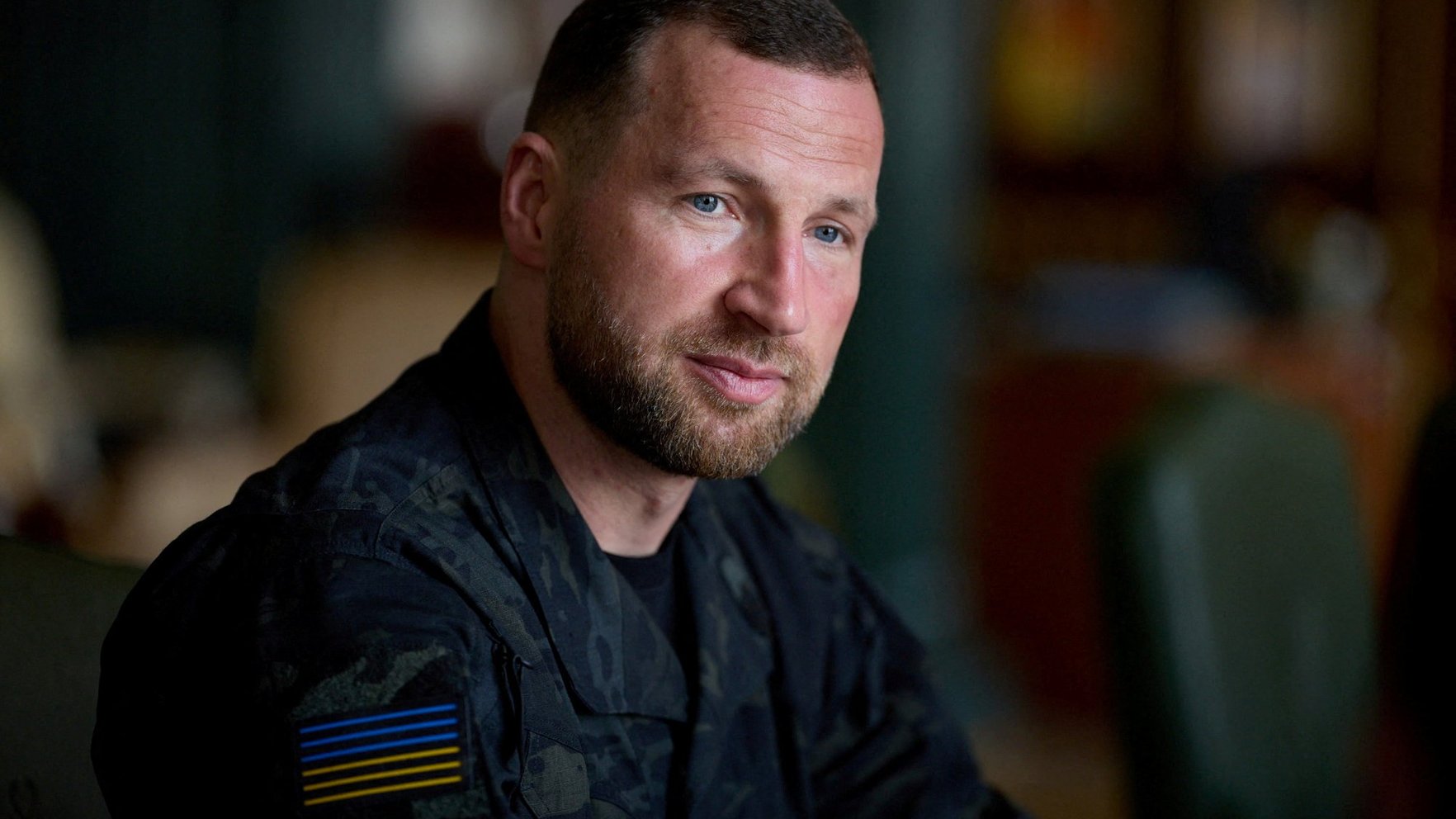
Service of the Starlink satellite communication system and its military version, Starshield, has been fully restored in Ukraine at speeds exceeding 400 kilometres per hour, Defence Minister Yevhenii Khmara announced on Saturday, 24 October. The network matters to the Ukrainian army because Russia has occupied parts of Ukrainian territory during its war against the country, and soldiers and drone operators rely on the connection at the front.
Statements by the minister and the president
According to the news agency Interfax Ukraine, Khmara described communications as stable. He said it was another example of how direct dialogue and the Ukrainian president's persistent stance at the highest level deliver results. In the minister's words, the outcome is above all important for the front line, soldiers, drone operations, logistics and communications.
President Volodymyr Zelensky also confirmed that speeds had returned to their previous level. In a social media post he said the restoration began overnight and that by morning speeds were already sufficient. He linked this to frontline logistics and to defence against jet-powered Shahed drones. He thanked Americans and partners, including members of Congress, senators, the media, the US State Department and the US president.
What happened earlier
Restrictions on Starlink in Ukraine were first noticed on the night of 14 October, when the satellite network stopped working on devices moving at high speed. This proved critical for the Ukrainian army: Starshield is used to guide drones in strikes on targets in territories Russia has occupied during the war.
According to publicly available information, Ukraine does not use Starshield for strikes on targets inside Russia itself, because Russia is not within the network's coverage zone.