Ukraine nearly out of F-16 missiles used against Russia's jet-powered drones
Ukraine's F-16 fighters are running critically low on US-made AIM-120 and AIM-9 missiles used to shoot down Russia's fast new drones and cruise missiles, while Patriot PAC-3 interceptor stocks are also nearly depleted.
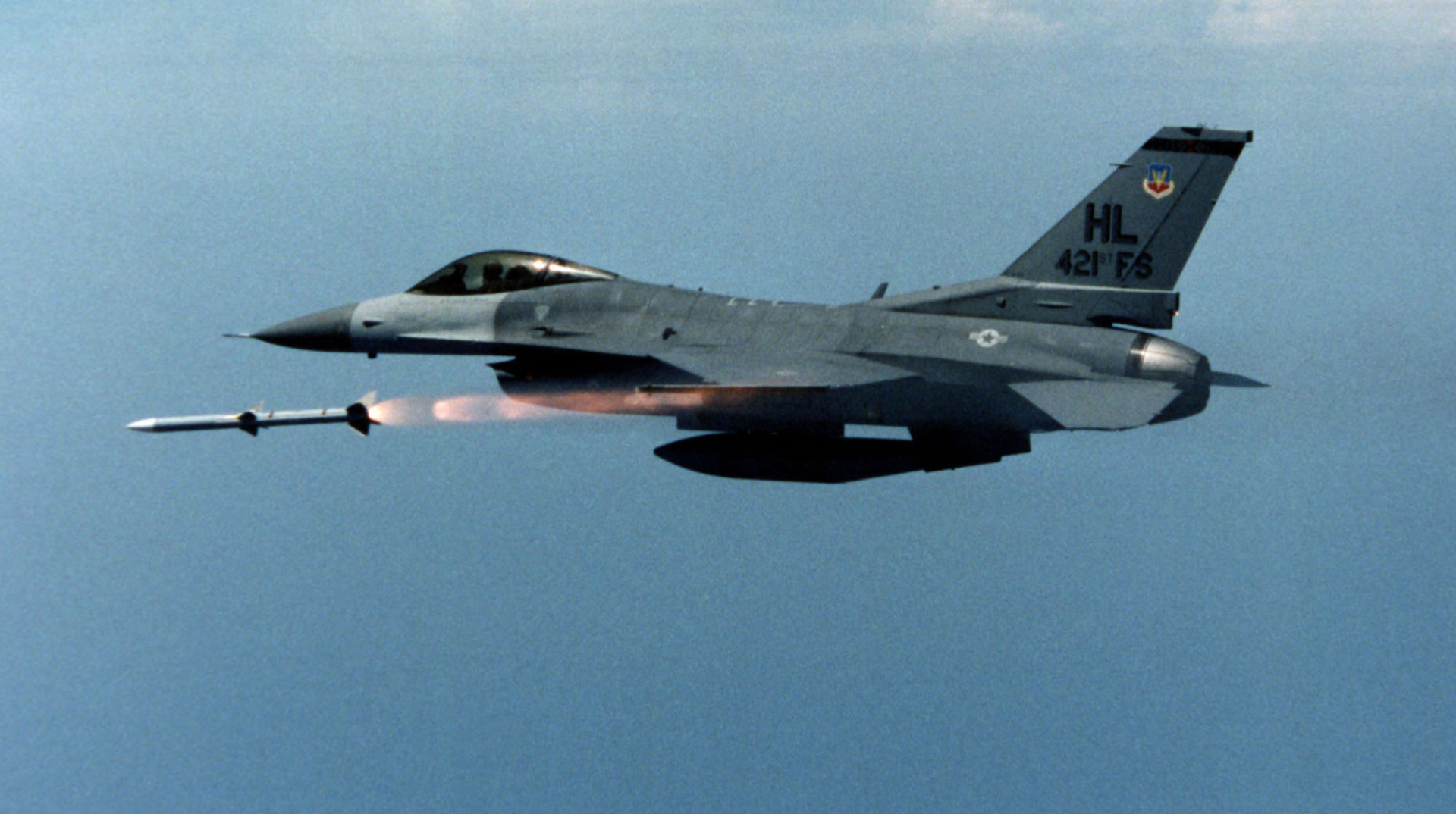
According to The Economist, Ukraine's air defense has almost exhausted its supply of American-made AIM-120 and AIM-9 missiles, which F-16 fighter jets use to intercept Russian cruise missiles and the newest jet-powered drones.
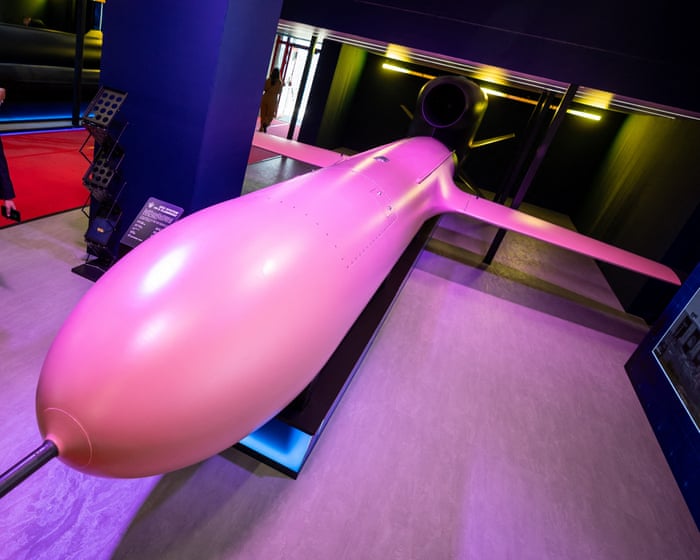
Ukraine lacks sufficient missiles to down Russia's new "Geran-4" and "Geran-5" drones, which can fly at speeds up to 600 km/h. Russia's production of these drones has reached roughly 3,000 units per month. Their turbojet engines are mostly supplied from China, though some components are manufactured inside Russia using smuggled Western 3D printers. Alongside the larger "Banderol" drones, these aircraft increasingly resemble low-cost cruise missiles — and neutralizing them requires exactly the AIM-120 and AIM-9 missiles that F-16s are now short on.
Ukraine is developing its own interceptor drones to counter Russian UAVs, but defense against ballistic weapons presents an even tougher challenge, with stocks of PAC-3 missiles for Patriot systems now nearly depleted. Large new supplies from the US are unlikely soon, as American stockpiles have also been strained by the war with Iran.
Meanwhile, Russia has increased its ballistic missile production to about 100 units a month — 60 Iskander-M missiles and 40 RM-48U missiles.
European alternatives on the horizon
There is some hope that Ukraine will receive several older French-Italian SAMP/T air defense batteries along with Aster missiles by the end of 2026, followed by eight newer SAMP/T NG systems next year. Unlike PAC-3, which relies on direct kinetic impact, the Aster missile detonates near its target, and French military sources say it outperforms Patriot in certain respects while costing less than half of the roughly $7 million price tag of the latest PAC-3 export version.
Germany plans to produce under license up to 200 less powerful PAC-2 missiles annually, some of which could go to Ukraine with NATO allies' approval. A more fundamental shift is expected from the joint European-Ukrainian Freyja project, aimed at giving Ukraine and its allies a much cheaper, mass-producible alternative to PAC-3 missiles, built around Ukraine's FP-7 short-range ballistic missile. Sensors and guidance systems will be supplied by 12 European defense companies, including Thales, Leonardo, Diehl and Saab.
/nginx/o/2026/09/09/17907868t1h06d6.jpg)