Ukrainian drones hit nearly all major Russian refineries; only two remain untouched
By the end of June 2026, Ukrainian drone strikes have targeted almost every major oil refinery in European Russia. The only two major facilities still intact are located beyond the Urals, including the country's largest refinery in Omsk, triggering a fuel crisis.
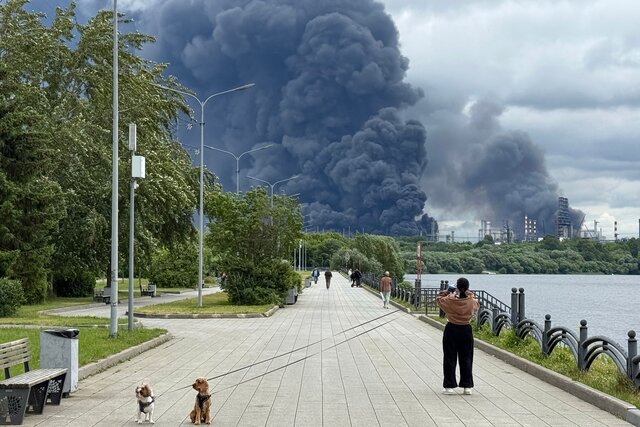
Since early 2026, Ukrainian forces have been systematically attacking Russian oil refineries. By the end of May, according to Reuters, no major refinery in European Russia had escaped drone strikes, with many hit multiple times. The attacks have forced plants to reduce or halt production, sparking a widespread fuel crisis across the country.
Among the major refineries that have been hit are Bashneft-Ufaneftekhim in Ufa, Kirishinefteorgsintez (Kinef) in the Leningrad region, Lukoil-Volgogradneftepererabotka in Volgograd, Lukoil-Nizhegorodnefteorgsintez in the Nizhny Novgorod region, Lukoil-Permnefteorgsintez in Perm, the Moscow Refinery, the Novokuybyshevsk Refinery in the Samara region, the Ryazan Refinery, TANECO and TAIF-NK in Nizhnekamsk, the Tuapse Refinery in Krasnodar Krai, the Tyumen Refinery, and Slavneft-YANOS in Yaroslavl.
As of June 29, only two major refineries remain untouched: the Omsk Oil Refinery, which is the largest in Russia, and the Angarsk Petrochemical Company in the Irkutsk region. Both are located east of the Urals.
Due to the fuel crisis, the Omsk region has banned the sale of fuel in canisters and limited gasoline purchases to 40 liters per fill-up. The Irkutsk region declared a state of heightened readiness in June over the gasoline shortage. Ukrainian forces struck a military airfield in the Irkutsk region in June 2025 as part of an operation called "Spiderweb"; no other strikes on the region have been reported. On June 10, the Omsk region issued its first drone attack alert since the start of the full-scale war, but no drones were reported shot down and no strikes on targets were confirmed.
Ukrainian drones have also not reached refineries in the Russian Far East and Eastern Siberia, but those facilities lack the capacity to meet the region's fuel needs.