Ukraine strikes nearly 200 vessels in new phase of oil-war campaign against Russia
Ukraine's drones hit 196 vessels supporting Russia's maritime logistics in the first 18 days of July, focusing on supply routes to Crimea and oil exports. The operation, dubbed MoLoChKa, marks the latest stage in Kyiv's broader campaign against Russia's energy infrastructure.
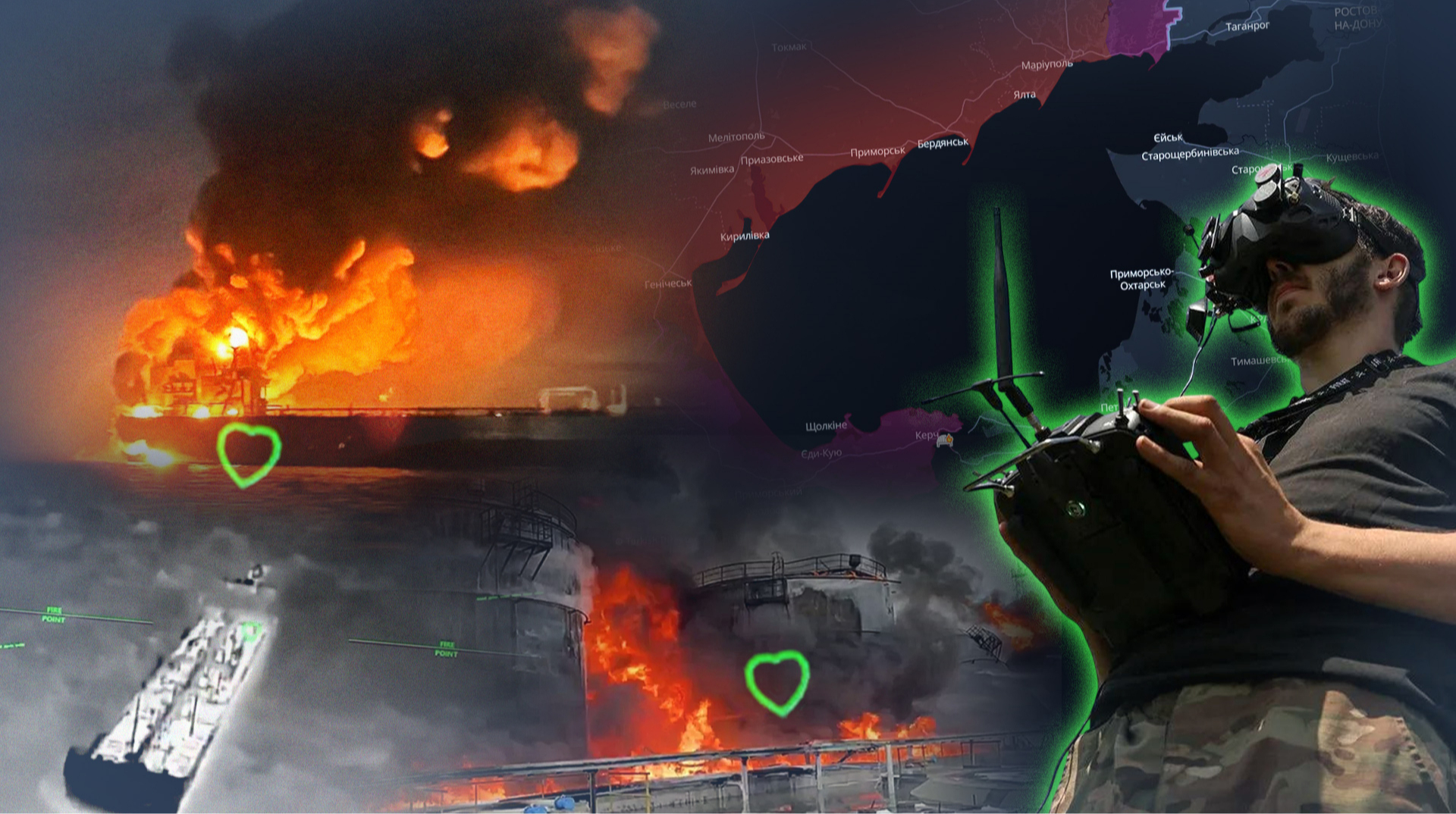
For more than two years, Ukraine has been steadily dismantling the foundations of Russia's oil industry, striking refineries, fuel depots and transport infrastructure. The campaign initially aimed to deprive the Russian military of fuel, but later expanded to target the Russian economy as a whole and provoke a systemic crisis.
In recent weeks, the focus has shifted to maritime logistics. Ukrainian drones have attacked tankers, cargo ships, tugboats and ferries operating in the Sea of Azov and the Black Sea. The key objective is to make it increasingly risky for Russia to use maritime routes that supply occupied Crimea, carry military cargo, and export crude oil and petroleum products to foreign markets.
Repeated strikes on the Kerch Bridge and disruptions to overland supply routes have constrained Russia's land-based logistics, making these maritime connections one of the Kremlin's most important lifelines for sustaining its forces in Crimea. Small river-sea class tankers use these routes to deliver petroleum products to the peninsula and to transport fuel for transfer to larger ocean-going tankers.
The latest phase of Ukraine's campaign is Operation MoLoChKa, which stands for "Moscow Will Fall Through Crimea" in Ukrainian. Ukraine's Unmanned Systems Forces reported that their drones struck 196 vessels supporting Russia's maritime logistics during the first 18 days of July — 126 were hit in the Sea of Azov and 70 in the Black Sea.