Ukraine's PM: country far better prepared for energy attacks than last winter
Ukrainian Prime Minister Serhii Koretsky said the country is significantly better prepared this year for Russian strikes on energy infrastructure than it was last winter. He acknowledged full protection is impossible but said the government has multiple contingency plans for the toughest scenarios.
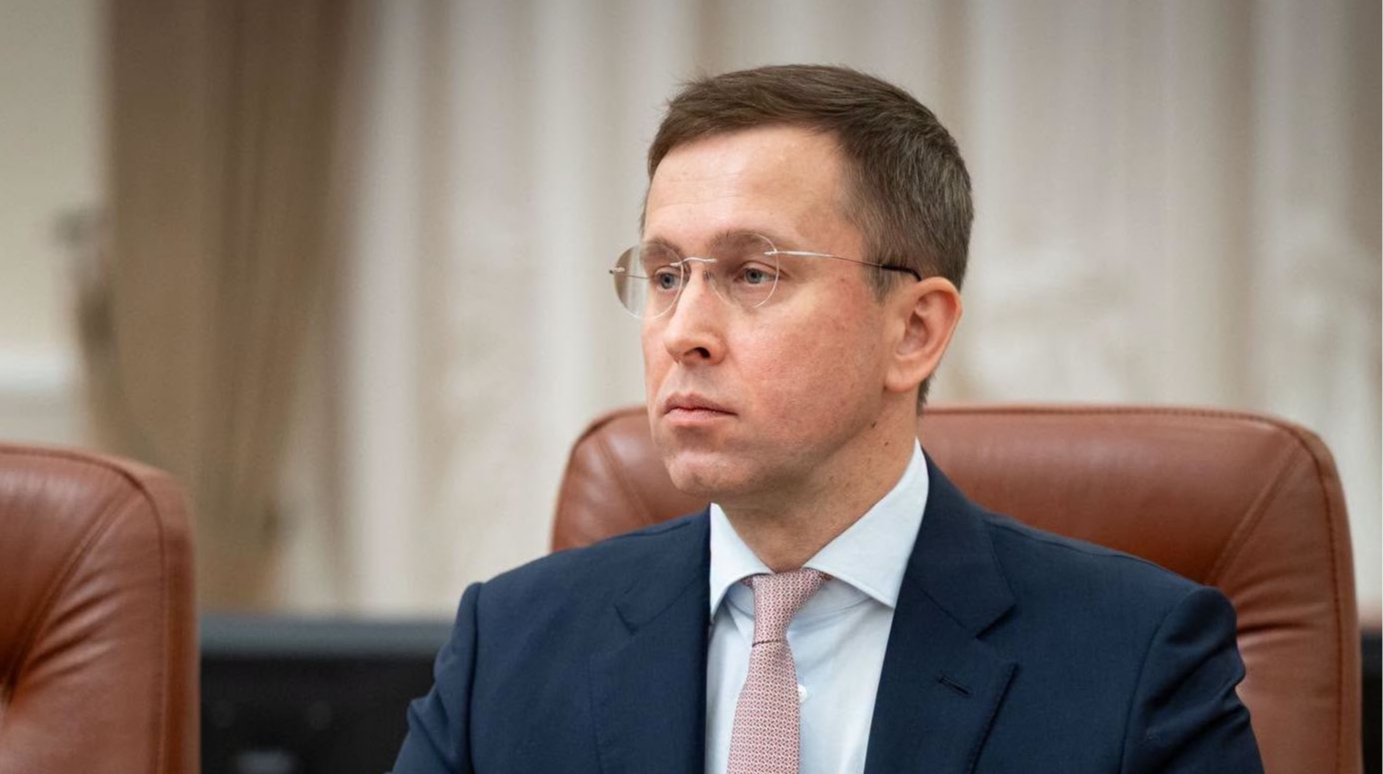
Ukrainian Prime Minister Serhii Koretsky said on Saturday at the annual YES conference in Kyiv that the country is far better prepared this year for Russian attacks on its energy infrastructure than it was last winter, Interfax-Ukraine reports.
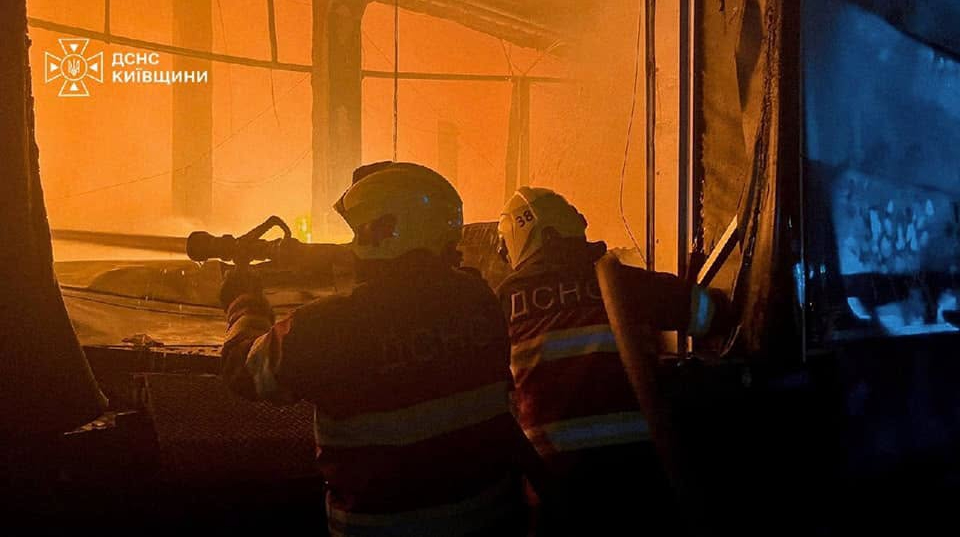
According to Koretsky, the energy sector remains under constant bombardment and full protection is impossible. Still, he said readiness for these attacks has improved substantially compared to a year ago. He noted that warnings about a difficult winter have already been repeated many times, but Ukraine has no option other than to get through it with dignity.
Russia's tactics and the government's response
The prime minister believes Russia views the current period and the coming winter as a kind of "blitzkrieg," but the Ukrainian government, working with its partners, is determined to weather this difficult stretch while handling tactical challenges and continuing the country's strategic development.
Koretsky said lessons had been drawn from last winter, including the preparation of decentralized solutions to sustain essential services in regions, cities and oblasts, which he called the government's main task. He added that the government is developing plan "B," plan "C," and possibly a plan for the worst-case scenario.
He noted that enemy strikes and the resulting destruction have multiplied several times over in the past two months, meaning the economy is already in its most difficult state. Even so, he said, there is enough optimism, enough strength, and enough will within the team to overcome these hardships.
A long-term outlook
The prime minister stressed that the war could continue for a long time, and that even a ceasefire, if reached, could later be broken. He said the current situation should be assessed with that in mind, preparing both physically and mentally for a prolonged conflict. Koretsky added that no one knows how long any eventual ceasefire would hold, so businesses need to build a foundation for long-term survival, learning from the lessons the war has imposed.