Ukraine's air defenses shot down just 7% of ballistic missiles in October
Russia fired about 150 ballistic missiles at Ukraine in October, and Ukraine intercepted 11. Analysts expect up to 190 a month this winter, while newly ordered Patriot missiles may take years to arrive.

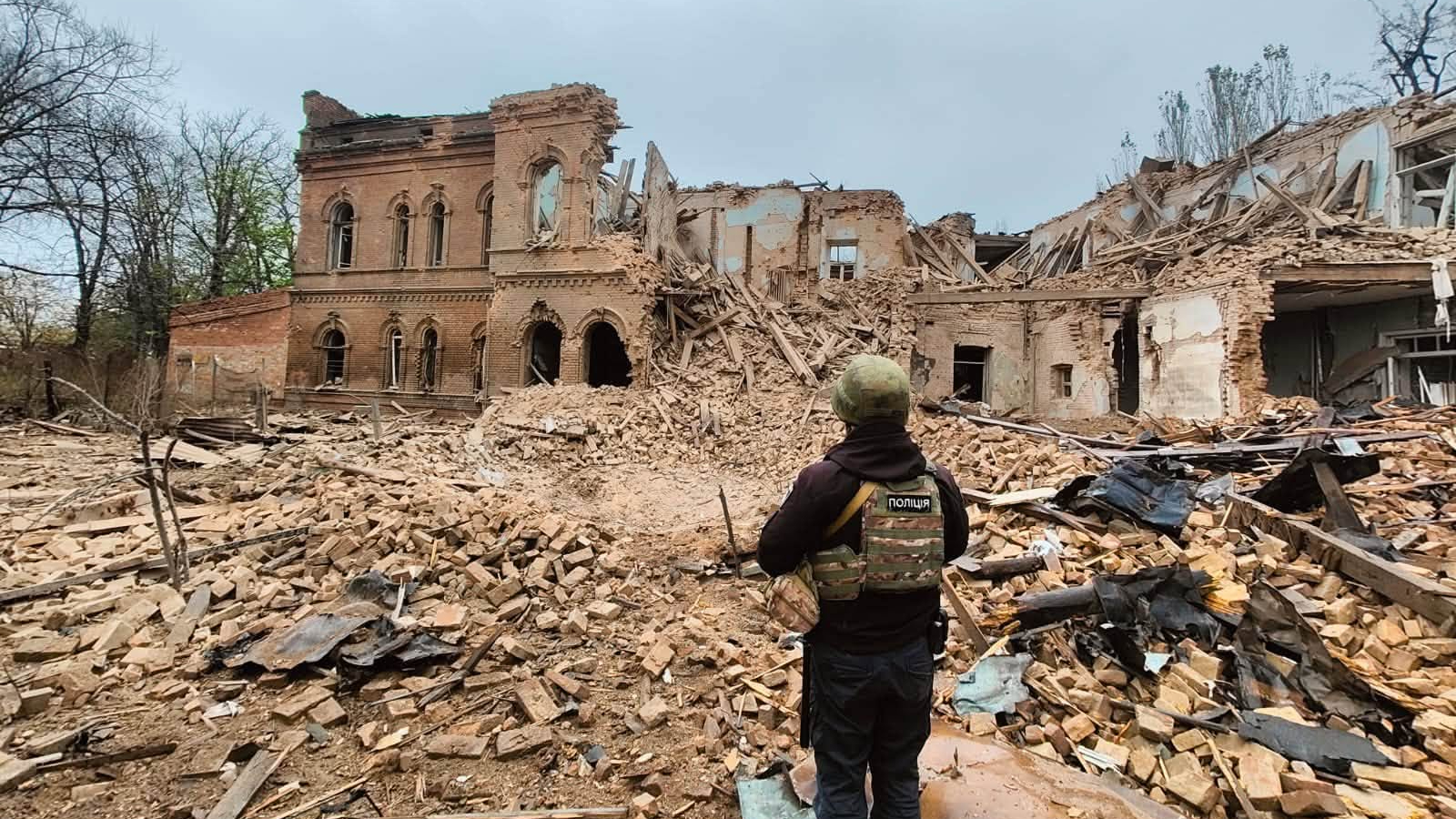
Ukraine's air defenses managed to shoot down only about 7% of the ballistic missiles Russia launched in October. According to the Ukrainian air force, Russia fired around 150 such missiles during the month, and 11 were intercepted. The cause is a shortage of Patriot interceptors, among the few weapons able to stop ballistic missiles, just as winter approaches and electricity and heating become a matter of survival for millions of people.
Winter forecast
German missile expert Fabian Hoffmann and Kyiv-based analyst Anastasiia Lapatina estimate that Russia could launch 360–440 ballistic missiles over the next four months. On top of that, S-400 surface-to-air missiles used against ground targets could add 60–200 projectiles, and 3M22 Zircon aeroballistic missiles another 5–15 per month. In total, Ukraine could face 130–190 ballistic projectiles a month through winter. Ukrainian military intelligence says Russia holds up to 700 ballistic missiles and can produce up to 110 a month.
The Patriot shortage
The Ukrainian air force has about eight Patriot batteries, but in October they were often without missiles. The crisis was worsened by the US war on Iran, which began in February: the United States, Israel and Persian Gulf states burned through Patriot stocks quickly. Before that war the US had around 2,300 PAC-2 and PAC-3 missiles, and at least half were fired in two months. Manufacturer Lockheed Martin plans to raise output from 600 to 2,000 missiles a year, but delivery takes nearly four years after payment.
On 31 October the US State Department approved the sale of 500 PAC-3 missiles to Ukraine in a $2.1 billion deal financed by European allies. The first missiles are not expected for several years. Ukrainian President Volodymyr Zelenskyy urged that missiles be handed over immediately from existing stocks, but Greece and Spain have declined, and the US administration has not signaled any priority for Ukraine.
Alternatives
Ukraine also has two Franco-Italian SAMP/T batteries, though production of their Aster missiles is limited. Ukraine is developing its own long-range interceptor under the Freyja initiative: Fire Point says the Ukrainian share is ready, while the European components are not.