Ukrainian Robot Unit Commander: Ground Robots Are Like "Persian Elephants," Army Needs "Arabian Steeds"
A commander of Ukraine's "Khartia" robotic unit says FPV drones and mines have drastically shortened the battlefield lifespan of ground robots.
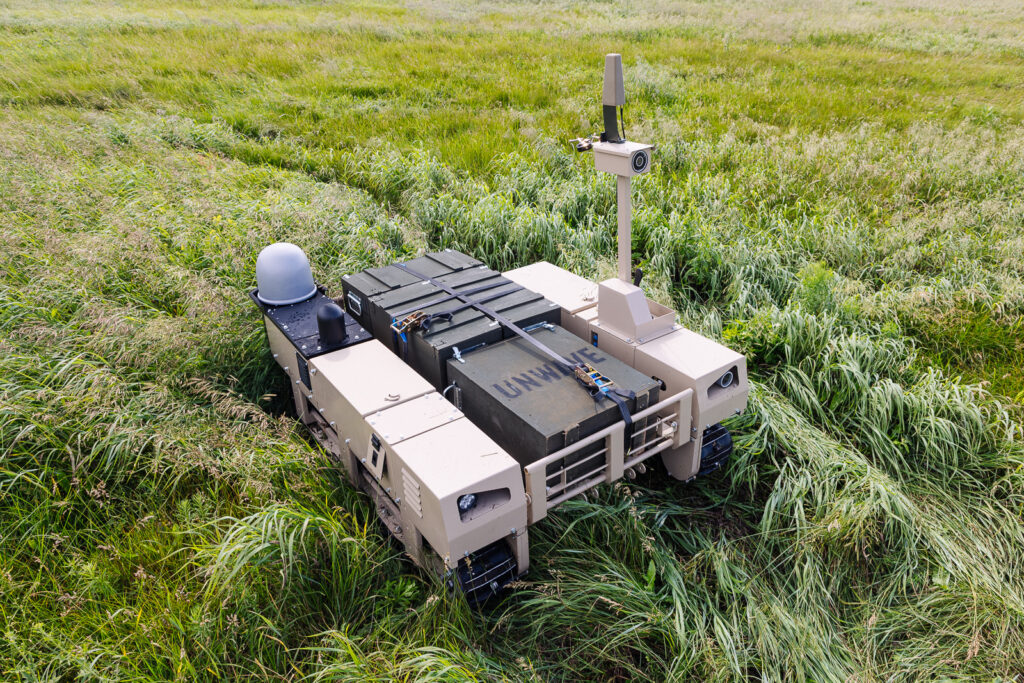
A commander of the ground robotic systems within Ukraine's "Khartia" unit has offered a striking comparison, describing currently used ground robots as "Persian elephants" - impressive in appearance but not always effective in real combat. According to him, what the army actually needs are "Arabian steeds" - faster, more agile and more resilient machines.
FPV drones and mines as the main threat
The commander explained that FPV drones and mines are the two factors that have dramatically shortened the operational lifespan of ground robotic systems on the front line. These threats have become the primary challenge for robotic equipment, as they can relatively quickly and cheaply destroy or disable machines that were designed with the expectation of a longer service life.
The meaning behind the metaphor
The comparison to "Persian elephants" draws on a historical military image - elephants in ancient warfare were considered impressive but often unreliable and inflexible, frequently failing to justify the resources invested in them during actual battle. With the image of "Arabian steeds," the commander instead points to the need for lighter, faster and more adaptable equipment capable of better surviving on the modern battlefield.
The statement reflects an ongoing discussion within Ukrainian military circles about the future of ground robotic systems, in an environment where cheap and widely available technologies - drones and minefields - are able to neutralize more expensive and technologically advanced solutions. Frontline experience with robotic units suggests that the durability of current machines does not match the realities of the battlefield, and that a new design approach is needed.
/nginx/o/2025/08/01/17044618t1h2299.jpg)