Ukrainian film-maker Sergei Loznitsa criticises EU over Venice Biennale funding cut
Ukrainian film-maker Sergei Loznitsa has dismissed the European Commission's decision to cut Venice Biennale funding over Russia's pavilion as a minor gesture, comparing it to a kindergarten punishment. He argues the real issue is Europe's continued imports of Russian gas.
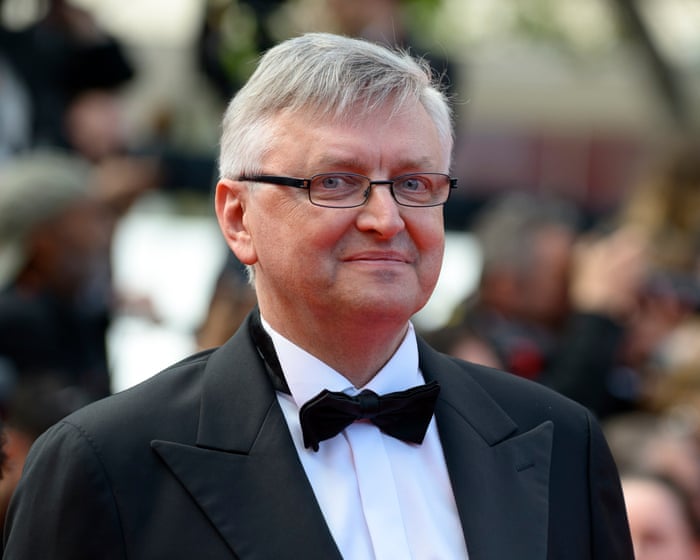
One of Ukraine's most celebrated film directors, Sergei Loznitsa, has spoken out against the European Commission's decision to end funding for the Venice Biennale following the reopening of Russia's pavilion this spring — its first appearance since 2022. Loznitsa described the move as "a punishment in kindergarten."
Speaking ahead of the Venice film festival, the cinematic arm of the Biennale, Loznitsa said he would personally never visit the Russian pavilion, but argued the controversy distracts from the EU's failure to impose tougher economic sanctions on Moscow. He pointed out that European companies imported record levels of Russian gas in the second quarter of this year, with proceeds funding attacks on Ukraine. Data from the EU's Agency for the Cooperation of Energy Regulators shows imports of Russian liquefied fossil gas rose 17% year-on-year, ahead of a full EU ban set to take effect in 2027.
The Russian pavilion's exhibition was only open during preview days and has been closed to the public since 9 May. Nonetheless, the European Commission confirmed last month it was ending its €2m multiyear grant to the Biennale Foundation. The cut also affects the film festival, since the funding had co-financed activities including the Biennale College and Venice Production Bridge. Biennale president Pietrangelo Buttafuoco criticised the decision as an abandonment of the institution's mission, insisting the Biennale is not political but engaged in international artistic research.
This year's festival programme is marked by a notably political and Russia-focused lineup. Alongside Loznitsa's new documentary Imperium, built from early-1970s Soviet-era archival footage, the selection includes a documentary by Russian-born American director Julia Loktev about exiled Russian dissident journalists, as well as other Russia-linked projects that have drawn criticism from Ukraine's foreign ministry.
/nginx/o/2026/06/15/17719961t1h42ed.jpg)