Hungarian Parliament Strips Immunity from PM Magyar and Two Former Orbán Ministers
Hungary's parliament on Monday lifted the immunity of Prime Minister Péter Magyar and two former Orbán government ministers, opening the way for criminal investigations, including the first corruption probes against senior officials from Orbán's 16-year rule.
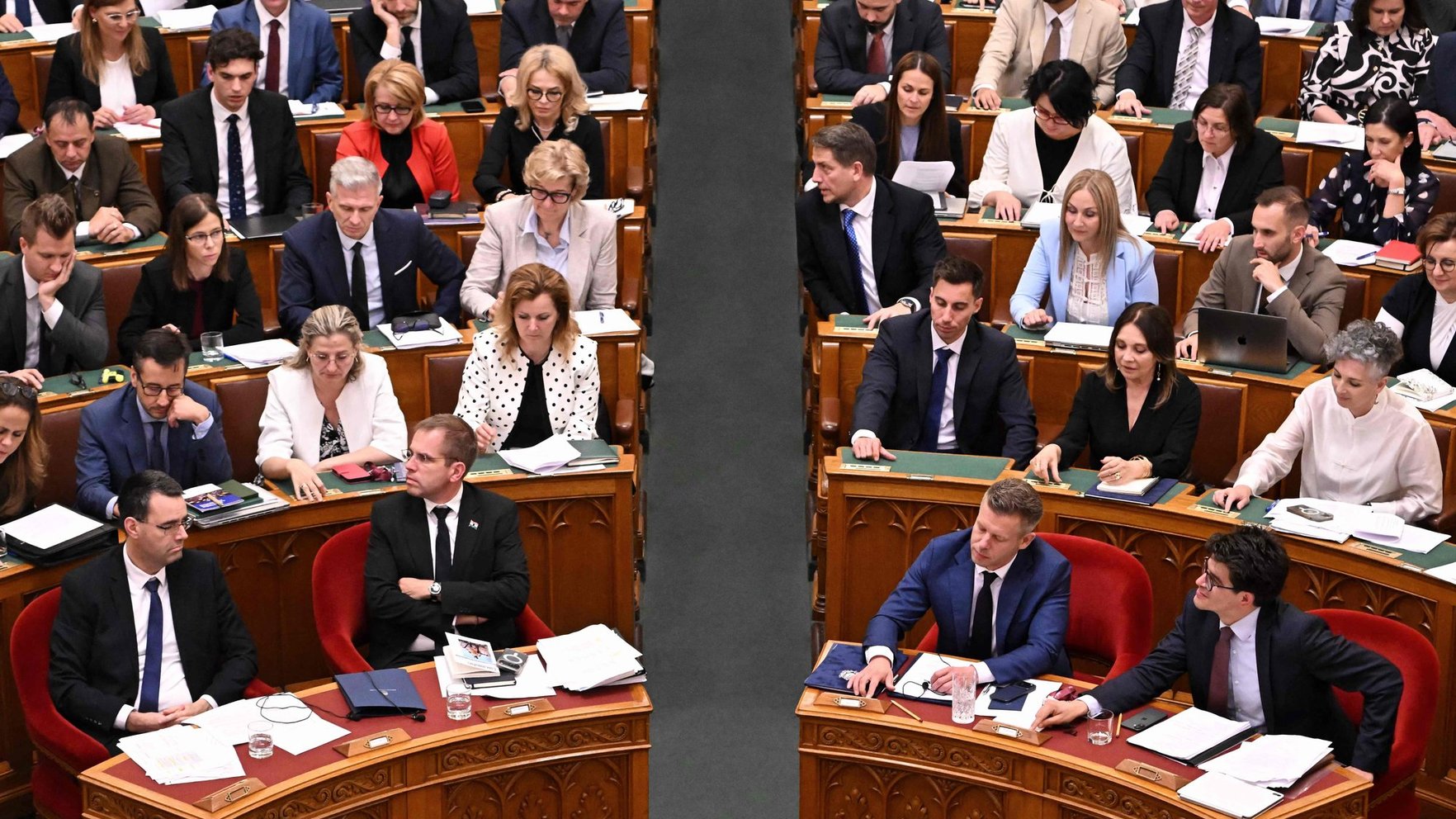
Hungary's parliament voted by a strong majority on Monday to strip parliamentary immunity from Prime Minister Péter Magyar, former culture minister Balázs Hankó, and former development minister Miklós Seszták. The vote clears the way for criminal investigations against all three. The Fidesz party and its allied Christian Democrats (KDNP) boycotted the session.
The probes against the two former ministers mark the first corruption investigations targeting senior officials from Viktor Orbán's 16-year period in power. The vote followed a request from prosecutors made last week.
Three separate cases
Magyar himself requested that his immunity be lifted so he could clear his name in a separate theft case. Prosecutors allege that in 2024 he snatched a phone from a man filming him in a nightclub and threw it into the Danube. Magyar has called the case a farce and accused prosecutors of trying to damage his reputation.
Hankó, a Fidesz lawmaker, is accused of embezzling more than 40 million euros in state funds. Prosecutors say the money was used to help finance the 2026 parliamentary election campaign and to benefit other individuals. In July, prosecutors seized Fidesz party servers in connection with the case, prompting Orbán to accuse authorities of running a fabricated investigation aimed at making the party legally inoperable.
Seszták, a KDNP lawmaker, is under investigation over allegations he accepted millions of dollars in bribes while serving as development minister from 2014 to 2018, in a case tied to the purchase of used buses at inflated prices. Both Seszták and Hankó deny the charges against them.
Magyar's party, Tisza, came to power in April promising to investigate corruption and abuse of office from Orbán's 16-year rule, and the prime minister has said he wants parliamentary immunity fully abolished for criminal offenses subject to public prosecution.
At the same session, lawmakers also rejected by a strong majority President András Bóka's nominee for the next chief prosecutor, cybercrime prosecutor Zoltán Szathmáry. Magyar had questioned whether Szathmáry could restore public trust in the prosecution service and guarantee its independence. Bóka told parliament afterward that he would put forward a new nominee.