UNSW overtakes University of Melbourne in global rankings for first time
The University of New South Wales has surpassed the University of Melbourne in the prestigious QS World University Rankings, ranking 19th globally.
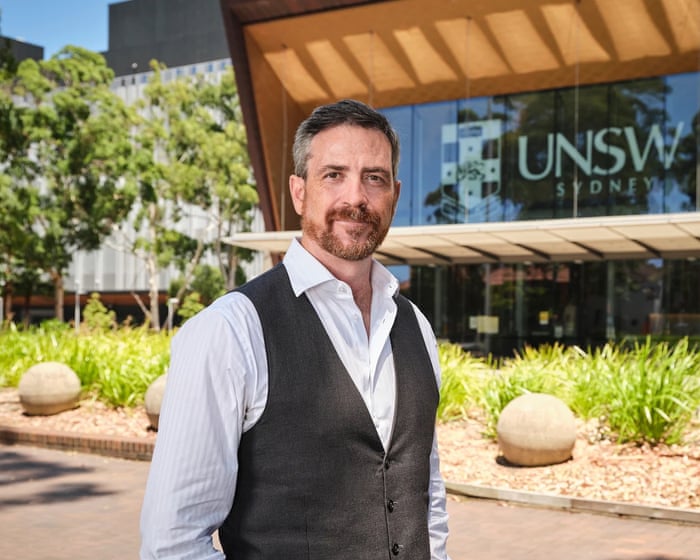
For the first time, the University of New South Wales (UNSW) has overtaken the University of Melbourne in a prestigious world university rankings list. UNSW ranked 19th in the QS World University Rankings 2027, an improvement of one place from last year and 30 places since 2017. The university was particularly commended for its employment outcomes, sustainability, reputation, and international research partnerships.
In contrast, the University of Melbourne (UoM) continued a downward trajectory, falling from 19th to 22nd this year, after dropping seven spots from its 2024 ranking of 12th. UNSW was among 58% of previously ranked Australian institutions that improved their standing this year, with nine achieving record-high positions. Comparatively, 12% of US universities and 21% of UK universities improved.
The QS World University Rankings 2027 evaluates more than 1,500 institutions across 106 countries and territories. MIT in the US retained the top position for the 15th consecutive year, while Imperial College London and Stanford University were joint second. A total of 37 of Australia’s 43 recognised universities were ranked this year, the highest number ever.
UNSW Vice-Chancellor Prof Attila Brungs said the university was “excited to be number one in Australia because it allows us to do more, to have more impact, more influence, and access to more networks”. He added, “It gives our talented staff and students even greater opportunities to have a positive impact on the world.”
UoM interim Vice-Chancellor Prof Glyn Davis stated that the university remained focused on “strengthening our global partnerships, advancing excellence in teaching and research, and ensuring our students are equipped to thrive in a rapidly changing world.”
QS Quacquarelli Symonds CEO Jessica Turner noted that Australia’s immediate gains came with longer-term warnings, pointing to heightened visa costs and rising application refusals for international students, coupled with low student satisfaction. “With 21 universities improving their position, the sector continues to build momentum,” she said. “Its reputation among both academics and employers is strengthening, while its ability to attract international students and faculty reflects the value that global talent brings to Australian campuses, research excellence and the wider economy.” She also highlighted areas where “further progress is needed”, such as teaching capacity and graduate outcomes, and stressed the importance of sustained investment in student experience, skills development, and employability.
RMIT Director of Strategic Insights and QS Rankings Advisory Board member Angel Calderon said Australian universities had reinforced their strong overall standing after a “difficult year”. He attributed the improvement largely to citations per faculty and academic reputation, adding that “a university’s reputation will ultimately be strengthened to the extent that its actions contribute to improving students and supporting the communities in which they serve and operate.”