USB-B Connector: Why It Never Became as Popular as USB-A or USB-C
Introduced alongside USB-A in 1996, USB-B was designed for peripherals like printers and external drives but remained in a niche due to its bulky size. Its legacy includes mini and micro USB variants, and while still used in some devices, USB-C is gradually replacing it.
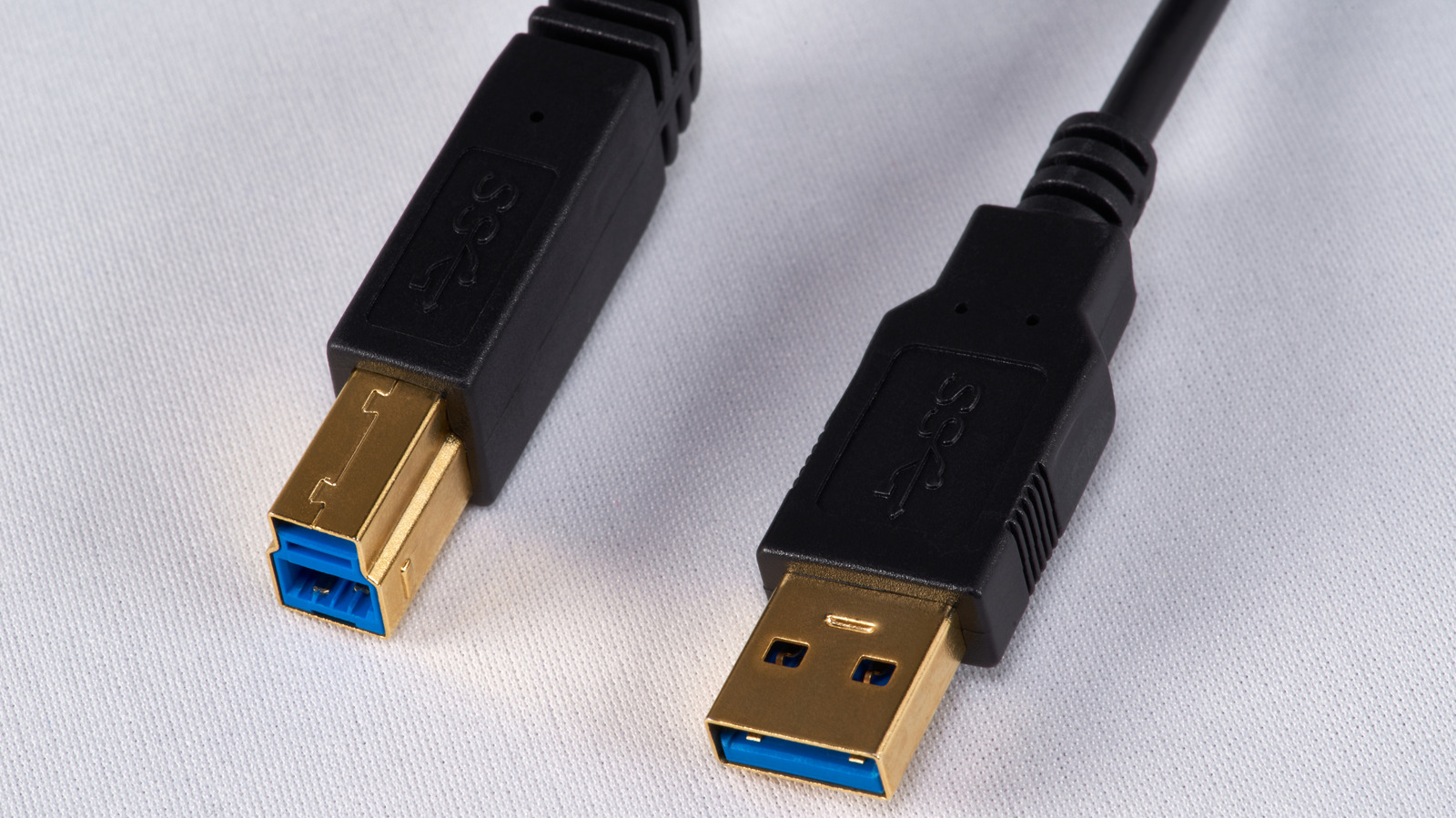
When the USB standard was developed in the mid-1990s, two connector types were introduced simultaneously: USB-A and USB-B. While USB-A became the ubiquitous connector found on computers, laptops, and chargers, USB-B remained less familiar to the general public. Its primary purpose was to connect peripheral devices such as printers and external hard drives to a host computer. This dual-connector system prevented accidental connections between two host or two peripheral devices.
The USB-B connector is square-shaped and wider than USB-A. While larger devices like printers and scanners could accommodate this bulkier port, it was too large for portable electronics such as smartphones and MP3 players. This led to the development of mini USB and micro USB, which offered smaller form factors better suited for compact gadgets.
Despite being three decades old, USB-B can still be found in modern electronics, particularly printers and musical equipment. The main reason is compatibility: many users have relied on this connector for years, and replacing it would cause inconvenience. Additionally, the USB-B design ensures a secure physical connection that is not easily yanked out. Since it is primarily used in office or professional equipment that often remains connected for months or years, there is little incentive to switch to USB-C solely for size or reversibility.
However, USB-C has become the dominant connector for most consumer electronics. It is smaller, reversible, and more capable than any previous USB standard, supporting higher bandwidth, power delivery, and video output through standards like USB4 and Thunderbolt. As newer generations of electronics gradually adopt USB-C, USB-B may eventually fade away. For now, it remains the preferred choice for peripherals where backward compatibility and familiarity outweigh the need for newer features.

