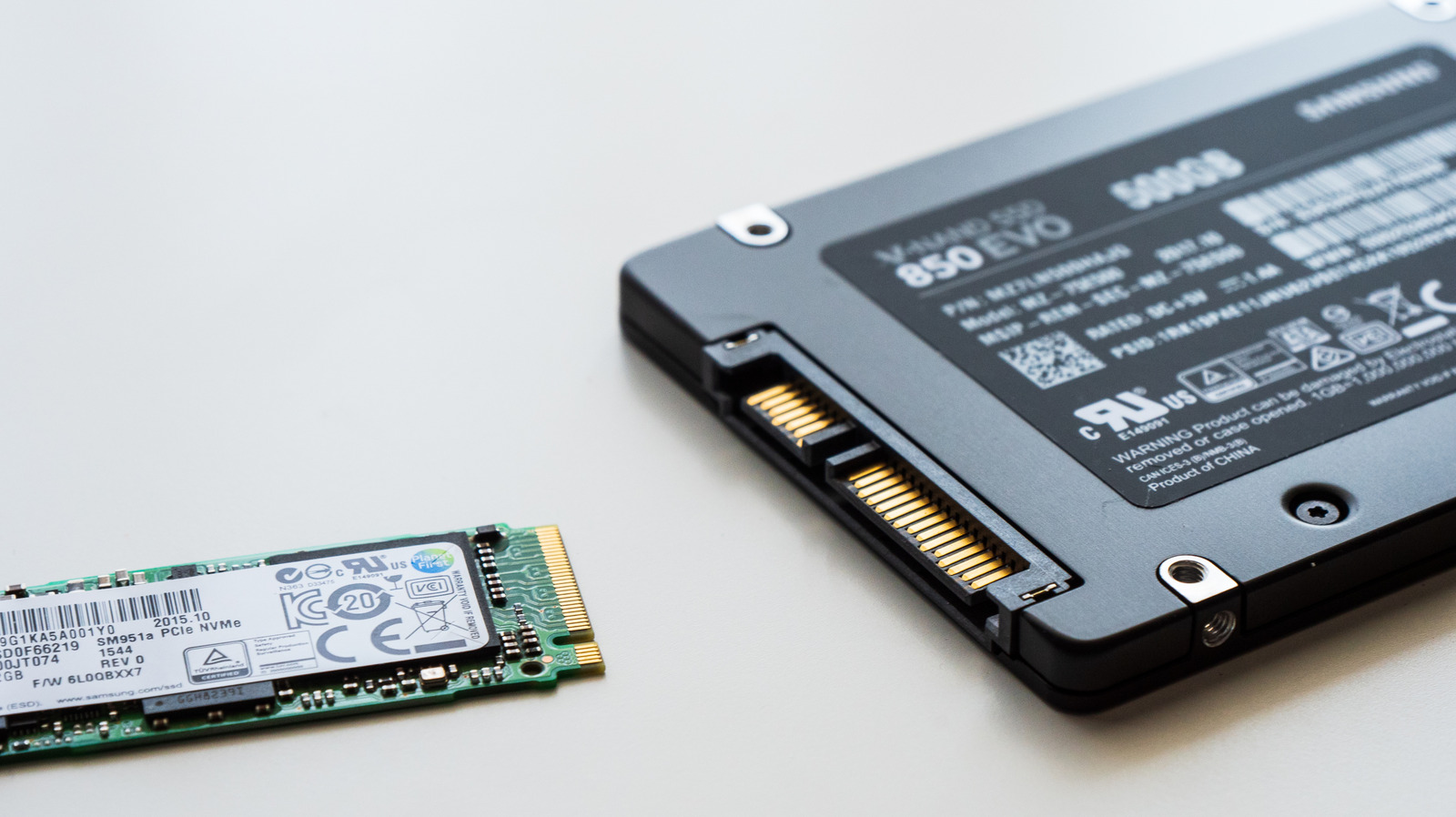
USB extenders really do work — but picking the right type matters
USB extenders can reliably lengthen a cable connection, but depending on the type, they may not preserve full speed, power or features. The right choice depends on distance and what device is being connected.
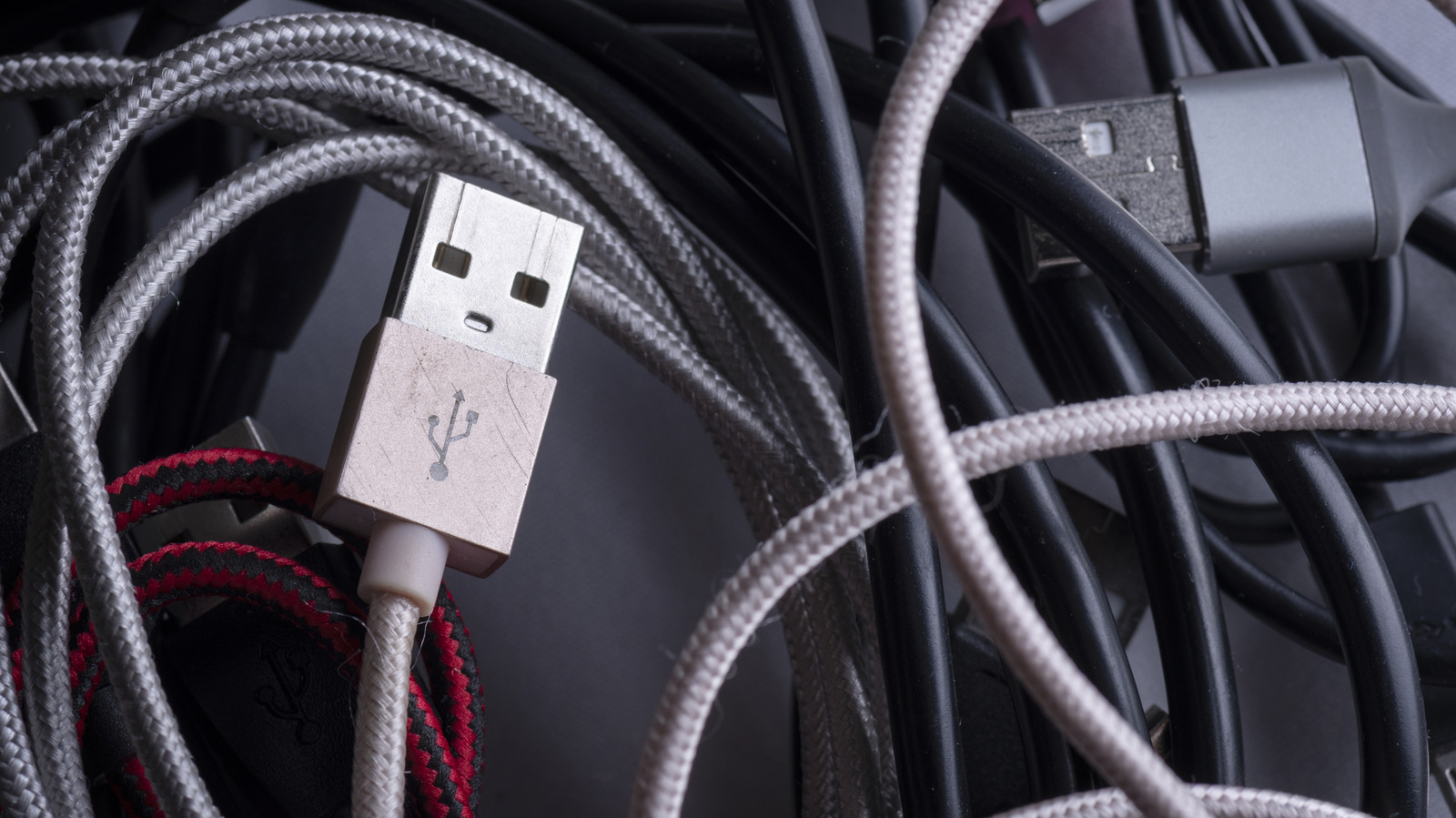
The term "USB extender" actually covers several different products — from a simple passive cable to an active signal repeater or a CAT/fiber-based extender. All of them lengthen the connection, but not all of them preserve the original speed, power delivery or features.
These devices are generally safe when used within their rated specifications. That becomes especially important with more demanding devices — a 4K webcam, an external SSD or a USB-C dock — which need more bandwidth, and docks also carry video and power. In such cases an extender may technically "work" while quietly dropping to a slower USB mode, disconnecting intermittently, or losing a feature the user expected to keep.
Distance determines the type of extender needed
A passive extension cable simply adds length between the computer and the device, but maintaining signal integrity gets harder as the cable grows longer. USB 2.0 tends to hold up well to around 5 meters (16 feet), while passive USB 3.x runs are generally best kept to about 3 meters (10 feet) before active hardware becomes the smarter option. Active extenders include electronics that regenerate the signal — for example, active cables offering 5 Gbps speeds over roughly 33 feet are available, and two can be daisy-chained for around 66 feet, while more advanced solutions using CAT 6a or CAT 7 cabling can deliver 5 Gbps speeds at distances up to 328 feet.
The device on the other end matters too. Storage drives, VR headsets, webcams and docks are more likely than something like a keyboard to expose connection problems, since they often need more bandwidth or several USB features at once. USB-C shopping is further complicated because the connector shape alone reveals nothing about the speed or capabilities behind it.
Power and data are separate questions
USB Power Delivery can support up to 240W, but the source, the device and the cable all need to support that level. Certified USB-C cables are required to carry a 60W or 240W power marking, and nearly all must also display their supported data rate — yet those two numbers on a given cable can be wildly mismatched. Some cables offering 240W charging max out at just 480Mbps of data transfer, while long-distance extenders capable of 5Gbps speeds may supply only a few watts of power per connected port. Fast charging and fast data transfer are not guaranteed to come together.
Extra caution is warranted with passive USB-C male-to-female extension cables, since many are not listed in official passive compliance documentation — though that doesn't make them illegal to use. If the real issue is simply that a charger's cable doesn't reach the wall outlet, using a properly rated AC extension cord may be a cleaner solution than extending the USB connection itself.