Seven tankers carrying 288,000 tonnes of Russian diesel head for the US
Seven tankers carrying an estimated 288,000 tonnes of Russian diesel are sailing towards the US under a deal between Donald Trump and Vladimir Putin. It is unclear whether they will be allowed to unload, as the legality of the shipments is disputed.
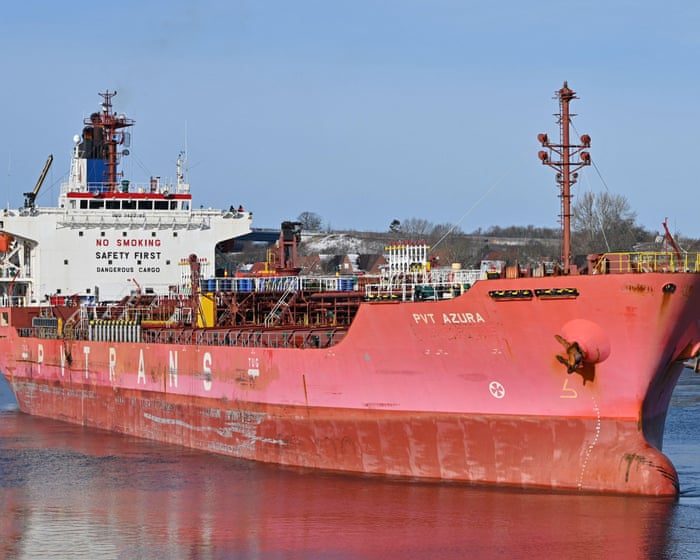
Seven oil tankers carrying an estimated 288,000 tonnes of Russian diesel are now heading for the United States, but it is unclear whether they will be able to unload amid a political dispute over the legality of the cargo. The vessels have been tracked by the environmental group Greenpeace.
The shipments are the first stage of a deal announced unexpectedly on 9 October by US President Donald Trump and Russian President Vladimir Putin. Russia agreed to supply 1.8 million tonnes of diesel, beginning with 300,000 tonnes. Trump announced a six-month waiver of existing sanctions so the cargoes could proceed, reversing years of restrictions on Russian oil.
Where the ships are
Earlier reports had counted three tankers leaving Russian oil terminals on the Baltic Sea. Greenpeace, drawing on a range of sources including ship-tracking websites, says its monitoring is the most complete so far. One tanker, Taurus, is relatively close to the US. When the map was first published, five others were near the UK, and three were in or entering the English Channel.
Shaun Burnie, an energy specialist at Greenpeace Ukraine, said Congress or local authorities in the US should halt the shipments. He called for tougher sanctions on Russia rather than rewarding it.
Political resistance in the US
Earlier this week, a group of US lawmakers, led by several Democratic senators, warned banks and port authorities that they could face congressional investigations and other legal action if they handled the diesel. Mikie Sherrill, the Democratic governor of New Jersey, said she was examining how to stop it being unloaded in her state and called the deal corrupt and illegal.
Reports say the White House has been encouraging US firms to take the oil, but it is not clear that buyers will come forward given the legal risks ahead of next Tuesday's midterm elections. Trump argued the deal would lower diesel prices, yet the American Automobile Association says the price per gallon has risen from $6.28 to $6.33 since the announcement.
Ukrainian President Volodymyr Zelenskyy condemned the agreement because the money raised would help the Kremlin fund the war.
War context
On Thursday morning in Ukraine, a Russian drone struck a train preparing to depart Dnipro's main station, and 14 people were reported killed. Five more were reported killed in strikes on Chernihiv and Kremenchuk.