Central Asia's first wind farm with large-scale batteries nears completion in Uzbekistan
The Nukus 2 wind farm in western Uzbekistan, a €232m project, pairs power generation with large-scale battery storage. The Asian Development Bank calls it a first for Central Asia.
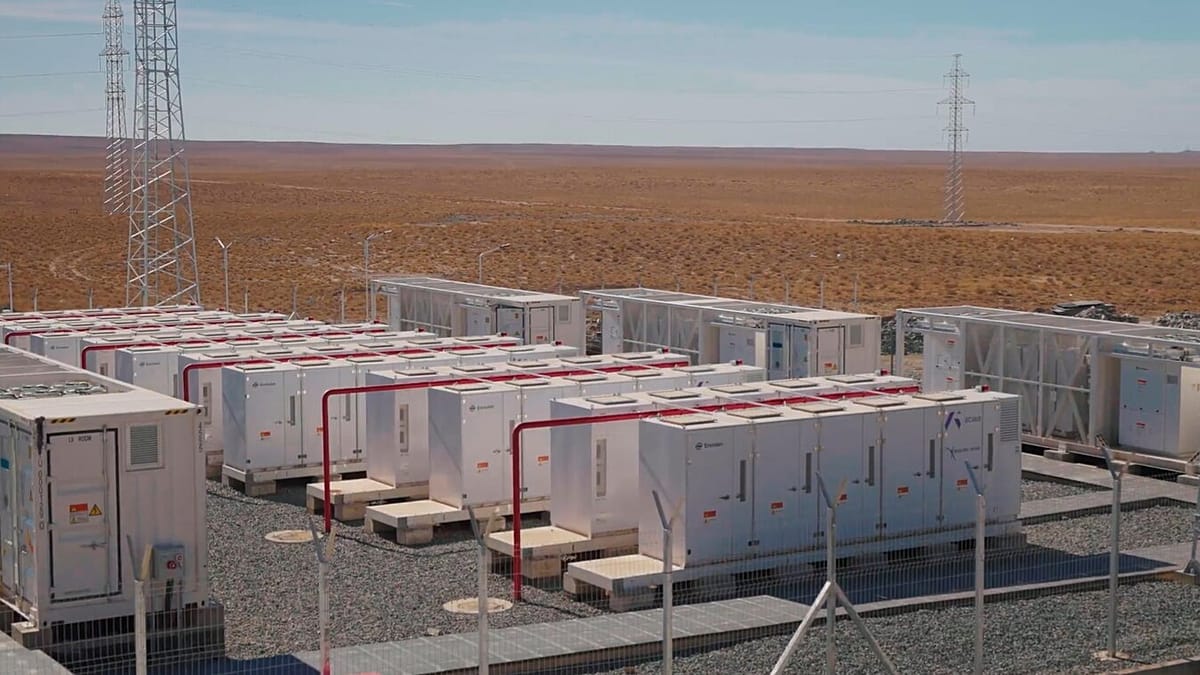
A €232m ($260m) wind power project called Nukus 2 is nearing completion in Karakalpakstan, an autonomous republic in northwestern Uzbekistan. It combines electricity generation with large-scale battery storage, which the Asian Development Bank (ADB) describes as a first for Central Asia. The technology targets a problem increasingly facing grids worldwide, including in Europe: balancing supply and demand as wind and solar capacity grows.
The facility is being developed by Saudi energy company ACWA. It includes a 200-megawatt wind farm and a battery system able to store 100 megawatt-hours. Project director Sardorbek Mahmudov said that once fully operational it could meet the electricity needs of more than 300,000 people.
Construction progress
Twenty-five of the 26 turbines are already generating power, while the batteries are being commissioned. An update published on 26 October put construction progress at 94.2%. The wind farm began producing electricity in August. Mahmudov said battery commissioning involves additional safety and fire-protection requirements, so testing is staged. The batteries are meant to give short-term support when wind output drops or demand rises, and he estimated they could supply power for three to four hours, depending on demand.
The project also includes a new 44-kilometre transmission line and upgrades to existing infrastructure linking it to Uzbekistan's national grid.
Financing
The project is run through ACWA Beruniy Wind, a local subsidiary of the Saudi developer. In September 2025, ADB and a fund it administers signed a loan package of about €46m. Other lenders include the Asian Infrastructure Investment Bank (AIIB), Dutch development bank FMO, Standard Chartered and Saudi EXIM. AIIB separately approved about €67m. The investment operates under a 25-year power purchase agreement signed in March 2024 after a competitive tender, under which the national grid operator will buy the electricity.
Jobs and impact
Between 750 and 800 people worked on construction, including more than 400 local workers and specialists. Environmental assessments identified potential impacts on land use and wildlife, requiring mitigation and monitoring. According to ADB, the farm is expected to generate nearly 728,000 megawatt-hours annually. The developer aims to finish battery commissioning by the end of November 2026.