Germany takes reports of possible Russian nuclear-armed satellite seriously
The German government is treating reports seriously that Russia may launch a satellite carrying a nuclear weapon by the end of this year. Moscow denies the claims, while NATO says it will defend all its territory, including in space.
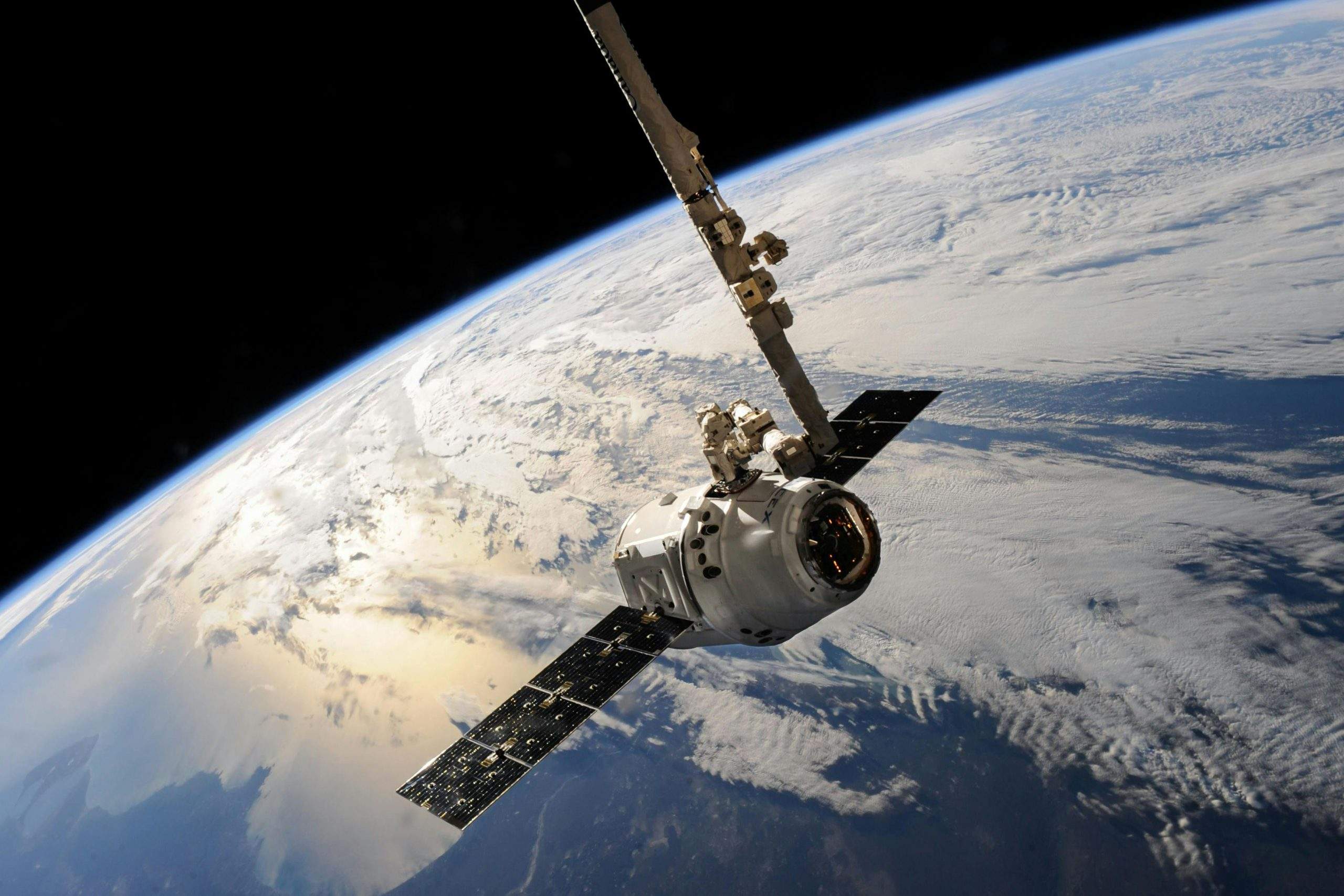
The German government is taking seriously reports that Russia may be preparing to put a satellite carrying a nuclear weapon into space as early as the end of this year. German media, citing assessments by Western intelligence services, have reported the claim, and the British newspaper The Guardian has also covered it. If such plans were confirmed, they would breach international treaties and endanger satellite operations and global security.
What the media report
According to these reports, the Russian satellite "Sputnik-S" was assembled several years ago and is currently located near Moscow. In early November, warnings circulated that it could be launched within the next 60 days and would begin operating shortly afterwards.
Moscow's response
Russia denies the reports. Kremlin spokesman Dmitry Peskov says he has not seen any such report, while the Russian embassy in Berlin has described the information as unfounded claims and part of a propaganda campaign.
Treaties and possible consequences
The placement of nuclear weapons in Earth orbit is prohibited by the 1967 Outer Space Treaty, which Russia has also signed. A 1963 treaty bans nuclear tests in the atmosphere, in outer space and underwater. Western officials have warned for several years about Russia's possible development of anti-satellite weapons.
Experts say a nuclear explosion in space could generate an electromagnetic pulse that would damage or disable satellite electronics. Major General Michael Traut, commander of the German Space Command, has previously warned that such a blast could affect up to a third of satellites in low Earth orbit and render some orbital zones unusable for decades.
NATO's position
NATO Secretary General Mark Rutte stressed on Monday that the alliance continuously assesses its deterrence and defence posture and will ensure the protection of all NATO territory, including in space.
Concern over Russia's intentions grew as early as 2022, after the launch of the satellite "Kosmos 2553". US and intelligence sources have suggested it may have been a test on the way to deploying a nuclear weapon in space.